
Understanding Funded Futures Prop Firms
Funded futures proprietary (prop) firms have become a significant component of the trading landscape. These firms offer a platform where traders, especially those skilled in futures markets, can access capital to execute larger trades without risking their own funds directly. Unlike traditional trading firms, which may employ traders to manage their assets and generate profits, funded futures prop firms focus on providing traders with the necessary resources and risk management tools to succeed, often in exchange for a share of the profits.
The primary role of these prop firms is to bridge the gap between individual traders and the financial markets, allowing talented traders to leverage substantial capital. This model incentivizes skill, discipline, and consistent performance, as traders are typically required to demonstrate their trading capabilities through specific evaluation processes before gaining access to the firm's capital. The structure of these firms encourages traders to develop robust strategies since their earnings are directly tied to their performance, fostering a results-oriented environment.

Funded futures prop firms differ markedly from traditional trading firms. While conventional firms might allocate capital based on longstanding relationships or internal investment strategies, funded prop firms focus on nurturing individual talent through evaluation phases and profit-sharing arrangements. This approach enables traders to grow their skills within a structured environment that emphasizes risk management and disciplined trading.
By offering traders access to significant capital, the firms create an environment where traders can execute larger positions, diversify their trading strategies, and potentially generate higher returns. Furthermore, these firms often provide comprehensive training, trading platforms, and risk controls designed to facilitate professional growth and mitigate losses. Ultimately, funded futures prop firms serve as a vital link between independent traders seeking capital and the broader futures markets, fostering a highly competitive and disciplined trading community.
Understanding Funded Futures Prop Firms
Funded futures prop firms represent a strategic approach to futures trading that emphasizes capital access, disciplined trading, and performance-based growth. Unlike traditional proprietary trading entities that may rely on internal capital or long-standing institutional relationships, these firms primarily focus on identifying talented traders through rigorous evaluation processes. Once traders demonstrate consistent performance and sound risk management, they are granted access to substantial leverage and trading capital, enabling them to execute larger, more diverse positions.
At the core of funded futures prop firms is a structured training and assessment system. This often involves traders completing a predefined evaluation phase, which assesses their trading skills, consistency, and adherence to risk guidelines. Successful candidates then enter into profit-sharing arrangements, where their earnings are proportionally linked to their trading results. Such arrangements motivate traders to uphold high standards of discipline and strategic planning, fostering a results-driven culture.
This environment encourages continuous skill development and strategic innovation, as traders are incentivized to optimize their methodologies to maximize performance while managing risk. Proper risk controls, comprehensive trading platforms, and ongoing mentorship further support traders’ professional growth. The interplay of capital access, performance incentives, and structured evaluation creates a dynamic ecosystem that benefits both traders and the firms, contributing to a highly competitive and disciplined trading environment.

Key Features of Futures Prop Firms in the USA
Futures prop firms operating within the United States adhere to specific industry standards and regional regulations that influence their structure and operational practices. These firms typically establish accounts with various regulatory agencies, ensuring compliance with financial laws and industry best practices. The account structures they use vary, ranging from individual trader accounts to pooled funds, with differing profit-sharing and risk management protocols.
In the U.S., traders and firms must navigate regional regulations related to trading disclosures, reporting requirements, and capital requirements, which aim to promote transparency and financial stability. Many firms implement strict risk controls and verification measures to ensure traders operate within defined parameters, minimizing potential losses while maximizing profit opportunities. These regulations also facilitate a fair trading environment, providing confidence to traders operating under known standards.
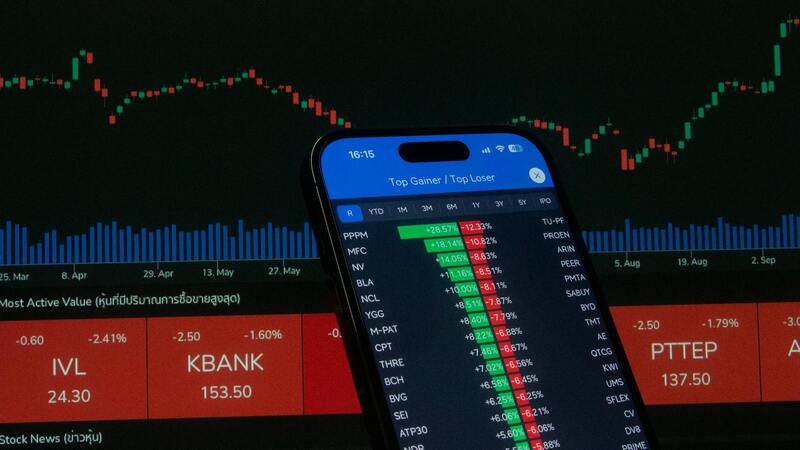
Futures Prop Firm Accounts: Types and Structures
Futures prop firms typically offer various account types tailored to traders' experience levels and trading styles. These include:
- Evaluation Accounts: Used during assessment phases, these accounts allow firms to observe a trader’s ability to adhere to risk management rules and consistency before granting full capital access.
- Live Funded Accounts: Once a trader proves their skill, they receive a funded account with real capital, enabling larger trades, diversification, and higher income potential.
- Scaling Accounts: Some firms offer accounts that progressively increase in size as traders demonstrate consistent profitability, further incentivizing sustained performance.
The account structures often include predefined risk limits, daily loss caps, and position size restrictions to mitigate downside risks for the firm and ensure traders maintain disciplined trading practices.
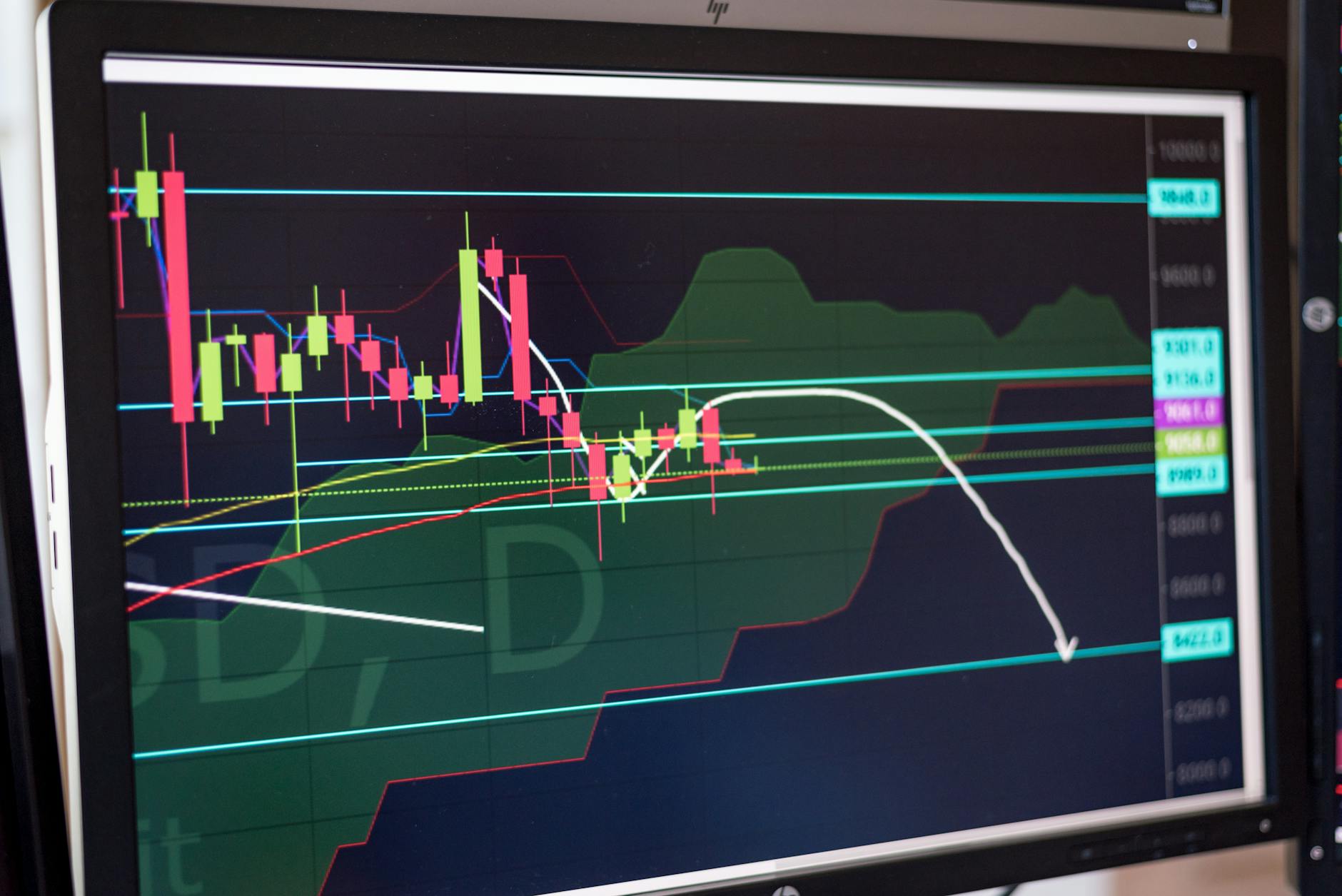
Futures Prop Trading Strategies
Traders working with funded futures prop firms employ a diverse range of strategies tailored to specific markets and personal expertise. Common approaches include:
- Trend Following: Capitalizing on sustained market movements by entering positions in the direction of prevailing trends, using technical indicators and price action analysis.
- Scalping: Making rapid, small trades to take advantage of minor price fluctuations within short timeframes, demanding high liquidity and quick decision-making.
- Breakout Trading: Identifying significant price levels to enter trades when the market breaks through support or resistance zones, aiming for quick gains.
- Range Trading: Capitalizing on price consolidation within defined channels by buying at support levels and selling at resistance.
These strategies require adherence to strict risk management and position sizing rules, especially when managing large capital allocations. Traders often refine their techniques through continuous analysis and risk assessment to adapt to dynamic market conditions.
Challenges and Requirements of Funded Futures Prop Challenges
While the opportunity to access significant trading capital is appealing, traders must undergo rigorous evaluation that tests their skill, discipline, and risk management capabilities. The challenges typically include:
- Performance Targets: Achieving specified profit goals during evaluation phases within defined risk limits.
- Risk Control: Demonstrating the ability to limit losses, follow trading rules, and maintain emotional discipline under pressure.
- Adherence to Rules: Following predefined trading plans, position sizes, and risk parameters without deviations.
- Consistency: Sustaining performance over a set period, often requiring traders to manage volatility and market swings effectively.
Meeting these challenges often involves detailed trading plans, regular performance reviews, and continuous risk assessment. Traders who successfully navigate these evaluations gain access to funded accounts, unlocking their capacity for larger trades and greater profit potential.

Discounts, Promotions, and Fee Structures
Many funded futures prop firms offer introductory discounts or promotional packages to attract talented traders. These may include reduced evaluation fees, free training modules, or bonus capital allocations. Fee structures generally consist of:
- Evaluation Fees: One-time or recurring charges for assessment phases, often refundable or credited upon successful funding.
- Profit Split: A percentage of trading profits retained by the trader, with typical shares ranging from 70% to 90%, depending on the firm.
- Platform Fees: Charges related to trading software, data feeds, or additional tools provided by the firm.
Access to discounted packages or promotional offers can significantly lower the barrier to entry for ambitious traders, facilitating their path toward a funded trading career while maintaining transparency around fee responsibilities and profit-sharing models.
Types of Funded Futures Prop Firm Accounts: An In-Depth Overview
Funded futures prop firms typically offer various account structures tailored to accommodate different trading styles, risk appetites, and capital requirements. Understanding the distinctions between these account types is essential for traders seeking to optimize their funds and align strategies with specific trading parameters.

Standard Account Types
- Individual Accounts: These are the most common types, providing traders with a dedicated account size, usually ranging from $10,000 to $500,000. They come with specific trading limits, risk parameters, and profit targets as set by the firm.
- Combined Accounts: Designed for teams or multiple traders working under a shared trading strategy, these accounts pool resources and profit-sharing arrangements to maximize collective performance.
- Master and Sub-Account Structures: This setup enables a main 'master' account holder to allocate specific trading permissions or capital to subordinate accounts, facilitating risk management and hierarchical trading oversight.
Account Features and Trading Limits
Each account type is defined by several key features that influence trading behaviors and risk management:
- Position Limits: Set maximum allowable positions to prevent excessive exposure. For example, a position limit might restrict a trader to a maximum of 10 futures contracts at a time.
- Drawdown Restrictions: Maximum loss limits that, when breached, halt trading or trigger account review processes, ensuring risk remains within acceptable levels.
- Profit Targets: Minimum or maximum profit thresholds that define successful trading outcomes within a specified period, often tied to funding increments or bonuses.
- Trading Hours and Markets: Some firms restrict trading to specific hours or futures markets, aligning traders’ activities with liquidity and volatility patterns.
Capital Allocation and Risk Management
Funded futures accounts vary significantly in their initial capital allocation, often determined by performance during evaluation phases. Larger initial balances can provide more flexibility but also require stringent risk controls. Firm protocols typically emphasize consistent risk management strategies, including the use of stop-loss orders and position size adjustments, to safeguard both trader and firm capital.
Advanced Account Options and Customization
More sophisticated firms may offer customized account options, allowing traders to select specific risk parameters, leverage settings, and trading platforms based on their experience and strategic preferences. Such flexibility encourages tailored approaches while maintaining the overall integrity of the firm's risk standards.
Choosing the right account type depends on individual trading style, experience level, and risk management discipline. Traders should evaluate each structure's features critically, aligning them with their strategic plans and long-term growth objectives in funded futures trading.

Understanding Funded Futures Prop Firms
Funded futures proprietary trading firms (prop firms) serve as vital platforms for traders seeking capital support without risking their personal funds. These firms provide traders with access to significant account sizes, enabling larger position sizes and the ability to capitalize on market movements more effectively. The core idea revolves around a trader demonstrating skill and consistency through evaluation phases or trial periods, after which they are allocated a funded account managed under the firm's protocols. Such arrangements create a symbiotic relationship where the firm mitigates its risk while offering traders an opportunity for substantial profit sharing.

Funded futures prop firms typically operate with transparent guidelines, setting precise thresholds for profitability, risk management, and trading discipline. These parameters are vital for maintaining the firm's capital integrity and ensuring traders adhere to consistent trading behaviors aligned with strategic objectives. The process of becoming part of a funded futures firm generally involves rigorous evaluation phases, where trading performance, risk discipline, and adherence to firm policies are meticulously assessed.
Key Features of Futures Prop Firms in the USA
In the United States, futures prop firms are regulated to uphold high standards of trading conduct and capital management. They often distinguish themselves through several key features designed to attract skilled traders and maintain operational excellence:
- Structured Evaluation Processes: Traders typically undergo evaluation stages including demo trading, simulated accounts, or trading challenges designed to assess consistency and risk control.
- Capital Allocation: Firms allocate initial trading capital based on evaluation performance, with some offering tiered funding levels that increase as traders meet performance benchmarks.
- Profit Sharing and Compensation: Compensation models often include profit splits, where traders receive a percentage of gains, incentivizing diligent trading practices.
- Risk Management Protocols: Strict rules on position sizing, loss limits, and trading hours ensure capital preservation and compliance with regulatory standards.
- Market Access: Traders within these firms primarily focus on futures markets, benefiting from high liquidity and volatility suitable for strategic trading activities.
Such features underscore the importance of transparency, risk discipline, and performance metrics in the operations of funded futures prop firms across the USA.
Futures Prop Firm Accounts: Types and Structures
The structure of accounts within funded futures prop firms varies considerably, tailored to match traders' experience levels and strategic preferences. Understanding these variations is crucial for selecting the most appropriate setup:
Evaluation Accounts
This initial layer assesses a trader’s ability to follow rules, manage risk, and demonstrate profitability without risking personal capital. Traders typically trade in simulated environments or within predefined limitations, with successful completion leading to funded account approval.
Live Funding Accounts
Once approved, traders receive access to live accounts with capital allocated based on performance. These accounts often feature defined leverage settings, risk parameters, and trading protocols aligned with the firm's policies.
Scaling and Tiered Accounts
Progressing traders may access larger account sizes or additional funding tiers, contingent on consistent performance and risk compliance. Such structures reward skill development and strategic consistency, offering increased earning potential and greater market influence.

Trade customization and risk management settings further delineate account options. Advanced traders might leverage customized leverage ratios, tailored risk thresholds, or specialized trading platforms, emphasizing the importance of aligning account features with personal trading strategies.
Understanding Funded Futures Prop Firms
Funded futures proprietary trading firms, often referred to as prop firms, serve as platforms where traders can access significant capital to execute trades in futures markets. These firms typically evaluate traders through comprehensive assessment programs to identify those capable of managing large positions with disciplined risk management. Once traders demonstrate proficiency during the evaluation, they are provided with access to trading accounts funded by the firm, allowing them to generate profits without risking personal capital.
Unlike traditional trading, where individuals trade with their own money, funded futures prop firms create an environment that balances opportunity with risk control. These organizations often operate under stringent criteria to maintain high standards of trading discipline, ensuring that traders adhere to predefined risk parameters. The primary goal of these firms is to capitalize on skilled traders' expertise, providing them with the necessary capital to maximize profit potential while protecting the firm's investment through risk management protocols.

Key Features of Futures Prop Firms in the USA
Futures prop firms across the United States share core characteristics designed to attract disciplined and competent traders. These features include transparent evaluation processes, tiered funding structures, and performance-based scaling. Most firms employ rigorous testing phases to assess traders' abilities in real-market conditions, often leveraging simulated environments for initial evaluation.
- Standardized Assessment: Traders must demonstrate consistent profitability, risk management discipline, and adherence to trading rules within a simulated or controlled environment.
- Performance-Based Funding: Successful traders are granted access to live accounts, with capital scaled according to performance and risk compliance.
- Leverage and Risk Management: Firms often enable traders to utilize leveraged positions, implementing strict risk controls to prevent significant losses.
- Profit Sharing Models: Typically, firms take a percentage of the profits earned, providing motivation for traders to perform optimally while maintaining risk discipline.
- Educational and Support Resources: Many firms offer training modules, trading platforms, and mentorship programs to develop trader skills.
Futures Prop Firm Accounts: Types and Structures
Within funded futures prop firms, account structures are tailored to suit different trader experience levels and strategic goals. The main account types include evaluation accounts, live funding accounts, and scaling accounts, each serving distinct purposes in the trader development and profit realization lifecycle.
Evaluation Accounts
This initial phase tests traders' abilities to follow strict trading rules, manage risk effectively, and demonstrate consistent profitability. Traders often operate within predefined parameters such as maximum daily drawdowns, profit targets, and trading style restrictions. Successful completion of the evaluation phase results in the transition to funded accounts.
Live Funding Accounts
After passing the evaluation, traders receive live trading accounts that come with firm capital. These accounts vary in size, leveraging the trader’s skill level and performance. They are structured to support both risk-controlled trading and profit maximization, often with specific leverage options and risk limits aligned with the firm's policies.
Scaling and Tiered Accounts
Progression within funded prop firms typically allows traders to access larger accounts or additional funding tiers. Consistent performance and risk compliance enable traders to scale their account sizes, increasing earning potential and market impact. Such progression often involves meeting specific trading metrics, risk management criteria, and maintaining disciplined trading practices.

Futures Prop Trading Strategies
Successful trading within funded futures prop firms relies on disciplined strategies that emphasize risk management, analytical insight, and adaptability to market conditions. These strategies are often developed through rigorous testing during evaluation phases and refined over time to align with the firm’s profit and risk objectives.
- Trend Following: Exploiting sustained directional movements in futures markets such as commodities, indices, or currencies, using technical indicators to identify entry and exit points.
- Scalping: Conducting rapid, small-position trades to capitalize on minor price fluctuations, requiring precise timing and stringent risk controls.
- Breakout Trading: Entering trades when the price moves beyond established resistance or support levels, aiming to catch strong directional moves.
- Mean Reversion: Trading on the assumption that prices will revert to their mean after extreme deviations, suitable for markets exhibiting high volatility.
- Hedging Strategies: Using futures to offset risk exposures in other asset classes or portfolios, crucial for traders managing diversified holdings.
While employing these strategies, traders must adhere to strict risk parameters, including daily drawdowns, maximum position sizes, and stop-loss orders, to ensure compliance with fund safety protocols and maintain their eligibility within the funded programs.
Understanding Funded Futures Prop Firms
Funded futures proprietary trading firms serve as catalysts for traders seeking to leverage significant capital without risking their own funds. These firms evaluate trading skill through structured assessment phases, after which eligible traders receive access to substantial trading accounts. The core advantage offered by funded futures prop firms is the opportunity to maximize trading capital, which allows traders to execute larger positions, diversify their strategies, and aim for higher profit margins. Additionally, these firms often provide cutting-edge trading platforms, risk management tools, and professional support to ensure their traders can operate efficiently within systematic frameworks. Their unique approach aligns the trader’s profit objectives with firm security, establishing a symbiotic environment conducive to growth and risk-conscious trading.

Key Features of Futures Prop Firms in the USA
Futures prop firms operating in the USA possess distinct features that set them apart within the trading community. These characteristics include:
- Account Funding and Profit Sharing: Traders receive accounts funded with capital that is often shared among multiple trading pools, with profit-sharing structures typically favoring the trader after deducting performance fees.
- Evaluation and Certification: Traders must pass evaluation phases designed to demonstrate their trading consistency, risk management skills, and ability to generate profits within predefined parameters.
- Risk Management Protocols: These firms enforce strict risk controls, including daily loss limits, maximum position sizes, and mandatory stop-loss orders, to safeguard both the trader and the firm's capital.
- Technology and Resources: Availability of sophisticated trading infrastructure, analytical tools, and mentorship programs helps traders refine strategies and improve performance.
- Compliance and Transparency: Strict adherence to regulatory standards and transparent reporting practices foster trust and reliability in their operations.

Futures Prop Firm Accounts: Types and Structures
Trade account configurations within funded futures prop firms typically fall into several categories, each tailored to accommodate different trading styles and risk preferences:
- Remote Accounts: Traders operate entirely online, with firms providing trading platforms and risk controls remotely. This structure offers flexibility and accessibility for traders located anywhere within the USA.
- In-House Accounts: Some firms provide physical trading rooms or offices where traders execute their strategies under direct supervision, fostering collaborative environments and immediate support.
- Split-Account Models: These arrangements split the profits and sometimes the risks between the trader and the firm, incentivizing high performance with shared gains.
- Evaluation Accounts: Initially, traders are provided evaluation accounts, which are smaller in size and used to demonstrate their trading capabilities before scaling to fully funded accounts.

Futures Prop Trading Strategies
Capitalized trading within funded futures prop firms hinges on employing disciplined and well-tested strategies. These approaches focus not only on profit potential but also on rigorous risk management to ensure sustainability over time.
- Trend Following: Identifying and capitalizing on sustained market move directions using technical signals, allowing traders to ride momentum for profits.
- Scalping: Engaging in rapid, small-scale trades focuses on capturing minor price movements, requiring high precision and speed.
- Breakout Trading: Spotting price levels where the asset breaks established support or resistance, aiming to profit from the resultant price surge.
- Mean Reversion: Trading based on the expectation that prices will revert to a historical average, especially suitable in volatile markets.
- Hedging: Using futures to offset potential risks in other investments or portfolios, a vital strategy for maintaining overall financial stability.
In deploying these strategies, comprehensive risk controls are mandatory. These include predefined daily loss limits, strict adherence to position sizing rules, and disciplined use of stop-loss orders, ensuring traders do not jeopardize the firm’s capital while pursuing profit opportunities.
Understanding Funded Futures Prop Firms
Funded futures prop firms operate as specialized financial entities that provide traders with access to substantial trading capital, enabling them to execute futures contracts without risking their own money directly. These firms assess trader skills through rigorous evaluation processes, often involving demo accounts or simulated trading scenarios, before allocating real capital. The primary goal is to identify traders with proven discipline, strategic prowess, and consistent performance potential, then support them through access to firm-funded account capital.
Such arrangements are designed to foster a professional trading environment, where skill and risk management are prioritized. They also create a mutually beneficial system: traders gain access to significant leverage and profit-sharing opportunities, while firms benefit from scalable revenue sources generated by skilled traders. This model emphasizes transparency, clear evaluation criteria, and structured growth pathways for traders to progress from evaluation stages to fully funded accounts and beyond.

Key Features of Futures Prop Firms in the USA
- Rigorous Assessment: Most firms employ strict testing procedures to evaluate trading skills, including demo trading and performance metrics.
- Risk Management Protocols: Clear guidelines on drawdown limits, position sizes, and daily loss thresholds are integral to safeguard capital.
- Account Scaling: Traders often begin with smaller evaluation accounts and, upon demonstrating consistent success, graduate to larger, funded accounts.
- Profit Sharing Structures: Typically, traders receive a percentage of the profits generated, aligning their incentives with firm goals.
- Compliance and Regulations: Firms adhere to strict industry standards and regulatory guidelines to maintain operational integrity.
Futures Prop Firm Accounts: Types and Structures
Futures trading accounts within prop firms are categorized based on size, risk exposure, and trading objectives. The common structures include evaluation/trial accounts, scaling accounts, and fully funded proprietary accounts.
- Evaluation Accounts: These initial accounts assess the trader’s skills and adherence to firm rules. Successful traders advance to larger accounts.
- Scaling Accounts: Once a trader demonstrates consistent profitability, they are granted access to larger accounts with increased capital and trading limits.
- Full Funded Accounts: The largest accounts, often with defined profit-sharing agreements, allowing traders to maximize trading potential with firm support.

Futures Prop Trading Strategies
Successful trading within funded futures firms depends heavily on disciplined application of proven strategies, combined with strict risk management. These approaches include:
- Trend Following: Leveraging technical indicators such as moving averages or MACD to identify and ride sustained market directions.
- Scalping: Executing rapid trades on minor price movements to generate quick profits, requiring high-speed execution and precision.
- Breakout Trading: Capitalizing on price surges when assets cross critical support or resistance levels, indicating potential momentum shifts.
- Mean Reversion: Trading on the assumption that prices will revert to their historical averages, particularly useful in volatile or range-bound markets.
- Hedging: Using futures contracts to offset potential risks in other investments, providing stability and risk reduction.
Within these strategies, strict risk controls such as daily loss limits, predefined position sizes, and disciplined use of stop-loss orders are essential. This ensures sustained capital preservation and positions traders for long-term success.
Challenges and Requirements of Funded Futures Prop Challenges
To secure evaluation or funded status, traders often encounter challenges that test their discipline, adaptability, and risk management skills. Common requirements include demonstrating consistent profitability over designated periods, adhering to firm-specific risk parameters, and maintaining composure during volatile market conditions. Success hinges on not only effective trading strategies but also a disciplined, rule-abiding approach.
Benefits and Risks of Trading with Funded Futures Prop Firms
Engaging with funded futures prop firms offers notable advantages such as access to substantial trading capital, profit-sharing arrangements, and opportunities for professional development. Traders can leverage significant funds to diversify strategies and scale their trading activities without personal capital constraints.
However, these opportunities come with inherent risks. The pressure to perform consistently, adhere to strict risk controls, and meet evaluation benchmarks can be considerable. Traders must remain vigilant in managing their trading behavior, ensuring they operate within the parameters set by the firm to sustain their funded status and long-term profitability.
- Capital Access: Enables larger position sizes and diversification.
- Profit Sharing: Shares of profits can significantly increase earnings compared to personal capital trading.
- Structured Growth: Clear evaluation paths and account scaling opportunities support professional development.
- Operational Risks: Poor risk management or failure to adhere to firm rules can lead to account termination or financial loss.
Understanding Funded Futures Prop Firms
Funded futures prop firms act as intermediaries that provide traders with access to trading capital in exchange for a share of the profits generated. Unlike trading with personal funds, traders operating under these firms are given the opportunity to deploy larger position sizes and diversify their trading strategies without risking their own capital to the same extent. These firms often assess traders through evaluation programs or challenges designed to demonstrate their skills, discipline, and capacity for managing risk effectively.

Key Features of Futures Prop Firms in the USA
- Access to Capital: Traders are granted significant trading funds, which amplify their ability to execute larger trades and diversify strategies.
- Profit-Sharing Arrangements: Most firms operate on a profit-split basis, where traders receive a predetermined percentage of the profits they generate.
- Evaluation Programs: Firms often require traders to pass challenge stages that test their trading discipline, consistency, and risk management skills.
- Structured Rules and Limits: Traders must adhere to strict risk parameters, such as daily loss limits and maximum drawdowns, ensuring sustainable trading practices.
- Support and Resources: Many firms provide educational materials, trading platforms, and mentorship opportunities to enhance trader performance.
Futures Prop Firm Accounts: Types and Structures
Funded futures prop firms typically offer different account structures to cater to traders at various experience levels. These include:
- Evaluation Accounts: Traders undergo a challenge or assessment period where they prove their trading ability according to predefined criteria. Successful completion grants access to a funded account.
- Live Funded Accounts: Once qualified, traders are assigned live trading accounts with real capital, subject to continuous oversight and compliance with firm policies.
Account structures can vary based on the firm’s policies, with some offering tiered approaches that allow gradually increased capital as traders demonstrate consistent performance and discipline.

Futures Prop Trading Strategies
Developing robust trading strategies is crucial for success within funded futures prop firms. Accepted strategies often include:
- Momentum Trading: Exploiting trending markets by entering positions aligned with prevailing price directions.
- Range Trading: Capitalizing on markets oscillating within defined support and resistance levels.
- Breakout Trading: Entering positions when price moves beyond established levels, signaling potential trend beginnings.
- Scalping: Making rapid trades to profit from small price movements, suitable for traders with quick decision-making skills.
Successful traders emphasize disciplined execution, proper risk management, and adaptation to dynamic market conditions. Consistency and a clear trading plan are essential to maintain funded status and achieve long-term profitability.
Challenges and Requirements of Funded Futures Prop Challenges
Participating in challenges or evaluations requires adherence to specific rules designed to assess a trader’s discipline and consistency. Typical requirements include:
- Maintaining profitability over a set period or across specific trading days.
- Adhering to daily and maximum drawdown limits to control risk exposure.
- Limiting the number of trades or focusing on particular trade setups.
- Consistently applying risk management techniques, such as position sizing and stop-loss orders.
While these challenges can be demanding, they serve as effective filters to identify traders capable of operating within a professional trading environment. Preparing thoroughly by practicing disciplined trading and understanding the specific rules enhances the likelihood of success in these evaluations.
Discounts, Promotions, and Fee Structures
Funding firms often implement promotional offers to attract new traders or incentivize existing ones. These may include discounts on challenge fees, reduced costs for account upgrades, or commission rebates. Understanding the fee structure is vital, as it impacts potential profitability:
- Challenge Fees: Entrance costs for evaluation programs vary based on the difficulty and the account size.
- Monthly Platform Fees: Some firms charge ongoing fees for account maintenance or access to specific trading platforms.
- Profit Splits: The percentage shared with the firm influences the trader’s net earnings. Common splits range from 60/40 to 80/20, favoring the trader.
- Additional Costs: Expenses such as data subscriptions or trading tool licenses may be applicable.
Benefits and Risks of Trading with Funded Futures Prop Firms
Accessing increased capital allows traders to diversify strategies and potentially maximize gains, especially when consistently demonstrating trading discipline and profitability. Profit-sharing models motivate traders to perform at their best, knowing that their efforts can significantly boost their earnings.
However, trading within funded firms involves navigating strict risk controls and performance benchmarks. Failure to comply with firm rules or managing risks inadequately can lead to account suspension or termination. Maintaining clear and disciplined trading routines is essential to sustainable profitability and long-term success within these programs.
