Overview of Futures Prop Firm Trading
Futures prop firm trading is a specialized sector within the broader financial trading industry, where professionally structured firms provide traders with capital to execute futures trades. These firms serve as intermediaries that facilitate access to significant trading capital, enabling traders to potentially amplify their earnings without risking their own funds. Unlike traditional trading accounts, futures prop firms establish specific frameworks and rules that govern trading activity, risk management, and profit sharing.
At its core, futures prop trading involves traders operating under the firm's umbrella, utilizing proprietary funds to engage in futures contracts across diverse markets. This setup not only allows traders to leverage larger trading positions but also provides structured evaluation processes that foster skill development, discipline, and strategic decision-making. Prop firms typically employ rigorous assessment stages to ensure that their traders meet high standards of trading competency, risk awareness, and consistency.
This model offers numerous advantages, including access to advanced trading technology, professional mentorship, and a collaborative environment that promotes strategic insights. Importantly, futures prop firms also serve as a bridge for traders aiming to scale their trading operations beyond personal accounts, often providing the resources needed for professional growth and potential profitability.
For traders interested in futures prop firm trading, it is crucial to understand the foundational structures and practices that define this industry. From trading accounts and strategies to evaluation challenges, each component plays a vital role in shaping a trader's experience and success within the ecosystem.

Different Models of Futures Prop Firm Accounts and Their Structural Features
Futures prop firms adopt a variety of account structures tailored to accommodate diverse trader profiles and strategic preferences. These structures not only influence trading capabilities but also impact account management, risk control, and profit sharing arrangements.
One common structure is the single-account model, where traders are given access to a dedicated trading account funded by the prop firm. This setup typically entails a predefined risk limit, ensuring traders operate within acceptable parameters and aligning with the firm's risk management policies. The account often comes with leverage provisions that enable traders to amplify their market exposure, although within set margins to safeguard capital.
Another prevalent format is the multi-account or pooled account model. Here, traders contribute performance into a collective fund or trading pool, sharing profits and losses based on their individual contributions or predefined profit-sharing agreements. This collaborative structure fosters a community-oriented environment, encouraging knowledge sharing and strategic collaboration among traders.

Some firms also implement tiered account levels, where traders can progress through stages based on their trading performance and risk discipline. Initial accounts often feature lower leverage and stricter risk limits, with advanced tiers offering increased trading flexibility as traders demonstrate consistent profitability and adherence to risk management protocols.
Risk Management and Profit Sharing in Futures Prop Trading Accounts
Effective risk management forms the backbone of all account structures. Prop firms impose strict daily and per-trade risk limits, often expressed as a maximum percentage of the trading capital. These constraints are reinforced through automated trading controls, ensuring that traders maintain discipline and adhere to predefined parameters.
Profit sharing arrangements can vary significantly across firms. Common models include profit splits, where traders receive a percentage of the profits generated from their trading activities, or fixed salary plus performance bonuses. These arrangements align the interests of traders with the firm's overarching objective of consistent profitability and risk control.
Technology and Tools Supporting Futures Prop Trading Accounts
Modern futures prop firms leverage sophisticated trading platforms equipped with risk management software, real-time analytics, and automated monitoring tools. These technologies not only streamline trading operations but also reinforce compliance with firm policies, providing traders with clear oversight and immediate feedback on their trading decisions.
Furthermore, many firms provide their traders with exclusive access to proprietary algorithms or strategic frameworks, designed to enhance decision-making processes while maintaining transparency and control.

Overview of Futures Prop Firm Trading
Futures proprietary trading (prop trading) involves traders utilizing a firm's capital to execute trades in futures markets. Unlike retail trading, where individual traders use their funds, futures prop firms allocate significant resources, providing traders with the means to access diverse markets, leverage, and advanced technology. This structure enables traders to focus on honing their strategies without the burden of risking personal capital, while firms benefit from the profit generated through skilled trading.
Most futures prop firms emphasize disciplined trading approaches, incorporating strict risk management protocols. Traders are often required to pass certain evaluation phases or demonstrate consistent performance before gaining full trading permissions. These measures ensure that trading activities align with the firm's risk appetite and operational standards, fostering a professional trading environment rooted in strategy and discipline.
The integration of cutting-edge technology plays a crucial role in futures prop trading, providing traders with real-time data, automated risk controls, and strategic insights. This technological backbone enhances trade execution efficiency and maintains consistency in risk exposure, which is essential for sustainable trading in highly volatile futures markets.
Types of Futures Prop Firms in the USA
Futures prop firms in the United States manifest in several organizational models, each designed to suit various trader preferences and operational standards. Recognizing these distinctions is essential for traders seeking alignment with a firm that fits their trading style and goals.
- Standard Prop Firms: These firms operate on a typical account-sharing basis, providing traders with access to firm capital and profit-sharing schemes. They usually require passing evaluations or trading challenges before granting live account access.
- Leverage-Focused Firms: Emphasizing high leverage options, these firms cater to experienced traders comfortable with managing elevated risk levels, often providing tailored funding solutions and trading conditions.
- Technology-Driven Firms: These entities prioritize advanced proprietary software and automation tools, ensuring traders leverage cutting-edge technology for trading execution and risk management.
- Managed Access Firms: Offering a managed account setup, these firms allow traders to manage accounts under specific compliance protocols, often involving performance-based fee structures.
Each type of firm employs specific assessment procedures to validate traders' skills and adherence to risk management standards. The choice among these options depends largely on the trader’s experience level, preferred trading style, and the firm's operational focus.

For aspiring traders, understanding the nuances of each model helps in selecting a firm aligned with their strategies and risk tolerance, ultimately fostering a more productive and sustainable trading career in futures markets.
Overview of Futures Prop Firm Trading
Futures prop firm trading has become a prominent avenue for traders seeking to capitalize on the dynamic futures markets while leveraging the resources and capital provided by specialized firms. Unlike personal trading accounts, futures prop firms extend traders the opportunity to trade with significant leverage, access to advanced technology, and professional risk management support. These firms serve as intermediaries that provide the necessary infrastructure and capital, enabling traders to focus on executing their strategies effectively without the immediate burden of substantial capital requirements. The core model involves traders passing specific evaluation processes that assess their trading skills, discipline, and risk management capabilities. Upon successful completion, traders are granted access to live accounts, often with predefined profit-sharing arrangements, paving the way for potentially lucrative trading careers. This structure offers a pathway for skilled traders to scale their operations, manage larger positions, and optimize their trading techniques within a controlled environment.
Types of Futures Prop Firms in the USA
The landscape of futures prop firms in the United States is diverse, catering to different trading styles, risk appetites, and technological needs. Understanding the various categories helps aspiring traders identify the firm that best aligns with their strategies and professional goals.
- Standard Prop Firms: These firms operate on a centralized account-sharing model, where traders access firm capital after passing evaluation challenges. They typically offer profit-sharing schemes, with some providing tiered structures based on performance. The focus remains on disciplined trading and adherence to risk parameters established during the evaluation process.
- Leverage-Focused Firms: Catering to experienced traders, these firms emphasize offering high leverage ratios, enabling traders to maximize position sizes relative to their capital. Such firms often require evidence of consistent profitability and proper risk management, given the elevated risk profile associated with high leverage.
- Technology-Driven Firms: These entities invest heavily in proprietary trading software, automated systems, and sophisticated risk control algorithms. Traders engaging with these firms often utilize advanced tools such as algorithmic trading, direct market access, and real-time analytics to enhance their execution and decision-making capabilities.
- Managed Access Firms: Offering more controlled trading environments, these firms allow traders to manage accounts under specific compliance protocols. They often operate under performance-based fee structures, with stringent risk controls to ensure stability and consistency in trading performance.
Futures Prop Firm Accounts and Structures
In the domain of futures prop trading in the USA, different account structures accommodate diverse trading needs and risk tolerances. The core aim is to furnish traders with adequate resources while maintaining oversight to protect the firm's capital investment.

Most firms operate using one of the following account models:
- Evaluation Accounts: Traders undergo a structured testing phase, where they demonstrate their trading skills under simulated or live conditions. Passing this phase grants access to a funded account, often with initial trading limits.
- Scaling Accounts: These accounts allow traders to increase their trading sizes based on consistent profitability, offering a pathway to expand trading operations while adhering to risk management standards.
- Growth Accounts: Designed for traders who have proven their ability, these accounts provide increased capital and flexibility, empowering traders to implement more advanced strategies.
Different firms also employ variations in profit sharing, drawdown limits, and trading restrictions based on account tier, experience, and performance history. The structural variance supports customized trading pathways, aligning with individual traders' goals and capabilities.
Compliance with Official Trading Protocols and Risk Management Standards
Futures prop firms prioritize adherence to established trading protocols that uphold market integrity and protect both the firm and its traders. These protocols include strict adherence to risk management standards such as maximum drawdown limits, position sizing rules, and trading plan validation. Traders are often required to follow pre-defined risk parameters meticulously, which serve to prevent excessive losses and ensure steady account growth.
A fundamental aspect of futures prop trading involves rigorous supervision through daily trading limits and automated alerts, which act as safeguards against impulsive or risky trading behaviors. Firms may also enforce scheduled review periods, during which traders' performance and compliance are continually assessed. This structured oversight ensures that all trading activities are aligned with the firm's strategic risk appetite.
Additionally, traders benefit from detailed operational guidelines designed to maintain transparency and fairness. These include clear procedures for trade execution, profit and loss calculation, and reporting standards. These official methods foster an environment where traders can demonstrate their skill within a framework that promotes stability and measured risk-taking.
Utilization of Advanced Trading Software and Technology
Effective futures prop trading relies heavily on the deployment of advanced trading software that provides real-time market data, analytics, and order execution capabilities. Proprietary platforms or third-party solutions with proven track records are typically adopted to enhance decision-making and streamline trade management.
These platforms often feature sophisticated charting tools, customizable dashboards, and automated risk control functions to help traders adhere to predetermined risk limits. Automated order entry and exit strategies minimize human error, offering precision in trade execution—crucial in the fast-paced futures markets.
Furthermore, firms may integrate backtesting modules, allowing traders to evaluate potential strategies against historical data to optimize their approach before live deployment. This technology-driven environment underscores the emphasis on disciplined trading, data accuracy, and operational efficiency.
Challenge Requirements for Futures Prop Trading
Successfully navigating the challenge phase of futures prop firm trading necessitates a comprehensive understanding of the criteria set forth by each firm. These challenges serve as a preliminary evaluation of a trader’s skills, discipline, and adherence to risk management protocols. Typically, traders are required to meet specific profit targets within a defined period, maintain strict drawdown limits, and demonstrate consistent trading behavior aligned with the firm's standards.
It is essential for traders to familiarize themselves with the official rules of each prop firm to avoid unwarranted disqualifications. Many firms impose realistic profit goals that reflect genuine market conditions to test the trader's ability to generate steady gains without risking excessive capital. Moreover, adherence to risk parameters, such as daily and overall maximum losses, ensures that traders demonstrate disciplined risk management throughout the challenge.
Participants often need to comply with detailed trading schedules, avoid excessive position sizes, and demonstrate proficiency in using specific trading platforms or tools authorized by the firm. Strict compliance with these requirements underscores the importance of discipline, patience, and adherence to official trading methodologies, which are core principles of reputable futures prop firms.

Filling out challenge requirements not only tests a trader's technical skills but also their ability to operate within predefined risk limits and sustain a consistent trading approach. Successfully passing these challenges often leads to the activation of a funded trading account, allowing the trader to access the firm’s resources and capital. It is crucial that traders approach these requirements earnestly by practicing disciplined trading strategies and maintaining meticulous records of all transactions to demonstrate compliance and proficiency.
- Understand the specific challenge criteria for each firm.
- Maintain tight adherence to risk limits and profit targets.
- Use the approved trading platforms and tools.
- Develop a disciplined and consistent trading routine.
- Keep comprehensive records of all trades for accountability.
Engaging thoroughly with the challenge process helps foster the habits necessary for sustainable success in futures prop trading. It also builds confidence and provides valuable insights into personal trading performance, preparing traders for the nuances of live market conditions once they achieve funded status.
Futures Prop Firm Trading: Official and Proven Methods
Engaging in futures prop firm trading involves employing well-established, legitimate strategies that comply with industry standards and firm policies. The core objective is to utilize the firm's capital efficiently while adhering strictly to risk management protocols. Traders should focus on comprehensive education, disciplined trading routines, and a thorough understanding of the firm's operating procedures to excel within this environment.
Official Methods for Futures Prop Firm Trading
- Utilize Approved Trading Platforms: Traders must use the platforms authorized by the firm, which are often verified for security, reliability, and compatibility with the firm's trading environment. These platforms often include industry-standard software that offers real-time data, risk controls, and order execution tools.
- Follow Testing and Evaluation Procedures: Most prop firms require traders to undergo rigorous evaluation processes, such as trading challenges or simulated assessments. Passing these assessments demonstrates a trader’s ability to manage risk and execute trades within the firm’s parameters.
- Maintain Compliance with Risk Limits: Adherence to the predefined risk management rules, including maximum drawdown limits and position sizing restrictions, is fundamental. This ensures sustainable trading practices and aligns with the firm’s operational standards.
- Implement Consistent Trading Plans: Successful traders develop and follow structured trading plans that specify entry and exit strategies, risk management techniques, and profit targets, thereby ensuring disciplined trading behavior.
- Record and Review Trades Rigorously: Keeping meticulous records of all trading activity allows traders to analyze performance, identify areas for improvement, and demonstrate compliance with the firm's policies during evaluations.
Legal and Transparent Trading Practices
Only official, pre-approved trading methods should be employed, eliminating shortcuts or unauthorized techniques. This includes avoiding high-risk, unverified strategies and ensuring all trading activities align with the firm’s established protocols. Transparent trading not only enhances sustainability but also builds trust with the prop firm, enabling a long-term partnership for growth.
Participating in official training, familiarizing oneself with the firm's trading rules, and engaging in ongoing education are key steps to mastering the available methods. It is equally important to stay updated with regulatory developments and industry best practices to maximize performance and maintain professional integrity in futures prop trading.
Risk Management and Safety Measures
Effective risk management tools, such as stop-loss orders, and disciplined position sizing form the backbone of official trading strategies. Traders should always apply these measures diligently to protect capital and comply with the firm's risk parameters.
Effective Methods to Engage in Futures Prop Firm Trading
Engaging in futures prop firm trading requires an understanding of structured, official methodologies that prioritize consistency, discipline, and adherence to established protocols. This approach ensures sustainable growth within the trading environment and builds credibility over time. Legitimate trading involves comprehensive preparation, disciplined strategy execution, and thorough knowledge of the firm's operational procedures.
Utilizing Official Trading Platforms and Resources
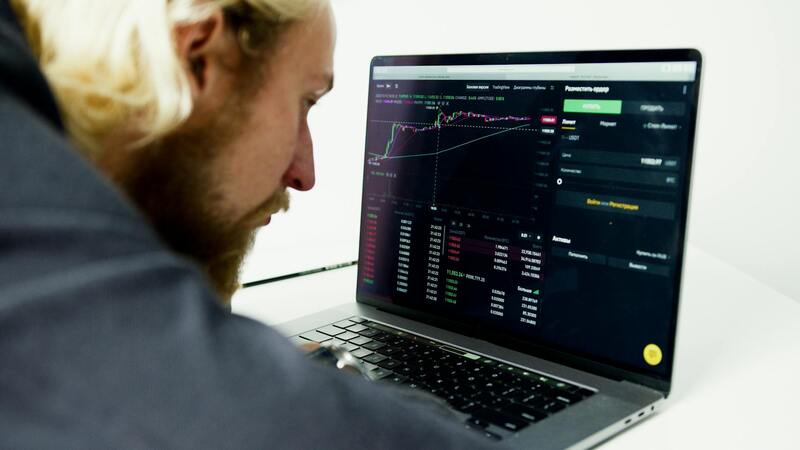
One cornerstone of professional futures prop trading is the exclusive use of approved trading platforms. These platforms are designed to provide traders with robust tools, real-time data, and analytical capabilities necessary for executing precise trades. Access to official resources—such as proprietary research, educational materials, and technical support—further enhances a trader’s ability to make informed decisions consistent with firm policies.
Many prop firms invest heavily in technology infrastructure, aiming to create a secure and efficient trading environment. Traders should familiarize themselves thoroughly with these platforms by participating in training sessions and reviewing provided manuals. Abiding by platform guidelines ensures compatibility with firm protocols and reduces the risk of operational errors, which could impact performance and evaluations.
Adherence to Risk Management Protocols
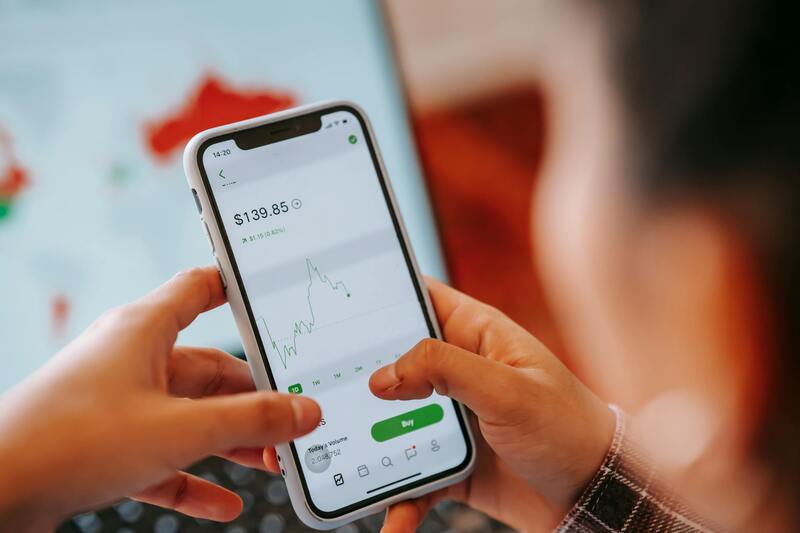
Implementing official risk management strategies is vital to maintaining capital integrity and meeting firm compliance standards. This involves setting strict stop-loss and take-profit levels, maintaining disciplined position sizing, and avoiding over-leverage. Properly documented risk protocols help traders demonstrate responsible trading practices and are often reviewed during performance evaluations and account audits.
Traders should develop and follow a detailed trading plan that explicitly defines acceptable risk thresholds, trade entry and exit criteria, and trade management procedures. Consistently applying these protocols minimizes emotional decision-making and promotes a disciplined trading routine, which is highly valued in official futures prop trading environments.
Participating in Verified Training and Certification Programs
Many futures prop firms offer official training modules, webinars, and certification programs designed to elevate traders' skills within the boundaries of legitimate practice. Completing these programs not only improves trading competence but also demonstrates a commitment to professional standards. Engaging regularly with official educational content ensures traders stay updated on best practices, regulatory updates, and new trading techniques sanctioned by the firm.
Active participation in these programs provides a foundation for building a consistent trading methodology that aligns with firm expectations and facilitates attaining profit targets while managing risk effectively.
Maintaining Accurate Trading Records
Robust record-keeping is fundamental to legitimate futures prop trading. Keeping detailed logs of all trades—including entry and exit points, trade rationale, outcome, and lessons learned—enables ongoing performance analysis and strategic refinement. These records are often required during reviews or audits conducted by the firm and serve as evidence of compliant trading practices.
Accurate records also assist traders in tracking their progress toward profit-sharing goals, identifying areas for improvement, and enforcing disciplined trading routines. Using official record-keeping tools or software endorsed by the firm can streamline this process and ensure consistency.
Engaging in Ethical and Transparent Trading Practices
Engaging in transparent trading practices is essential for building and maintaining a positive reputation within the futures prop trading sphere. Official protocols prohibit the use of high-risk, unverified strategies or any form of market manipulation. Instead, traders should rely on verified strategies, backed by data and tested within the framework provided by the firm.
Participating in firm-approved trading competitions, challenges, or performance assessments further demonstrates transparency and commitment to professional standards. Consistently aligning trading activities with the firm’s rules solidifies a trader’s relationship and opens opportunities for advancement and additional capital access.