
Understanding Futures Prop Firm Accounts
Futures proprietary trading firm accounts, commonly known as futures prop firm accounts, are specialized trading accounts used by professional traders working on behalf of a firm rather than personal funds. These accounts serve as a gateway for traders to access significant trading capital, often surpassing their personal investment limits, with the goal of generating profits that are shared between the trader and the firm.
Unlike standard personal trading accounts, futures prop firm accounts are established through the backing of a proprietary trading company that provides the necessary infrastructure, capital, and support for executing high-volume trades. This setup allows traders to leverage the firm's resources to maximize their trading potential in the futures markets, including commodities, indices, and other derivatives.
The core purpose of a futures prop firm account is to facilitate professional trading strategies that require substantial capital and advanced risk management tools. These accounts enable talented traders to utilize larger positions while maintaining specific risk parameters defined by the firm. As such, they serve as an essential component for traders aiming to grow their careers in the futures trading space without risking their personal assets.

One key distinction of futures prop firm accounts from personal trading accounts is the structured evaluation process that traders undergo before being granted access. Firms typically impose certain trading targets, risk limits, and consistency benchmarks to ensure that traders are capable of managing significant risk responsibly. This process not only safeguards the firm's capital but also helps traders refine their skills under real-market conditions.
In essence, a futures prop firm account acts as a mutually beneficial partnership—providing traders with the financial backing necessary for high-stakes trading while enabling firms to profit from successful market strategies. This relationship promotes a professional environment where skill, discipline, and calculated risk management are paramount for success in futures trading.
Understanding Futures Prop Firm Accounts
Futures prop firm accounts serve as vital platforms for traders seeking to maximize their trading capacity within futures markets, which encompass commodities, indices, and various derivatives. These accounts provide traders with access to substantial capital resources that are not typically available through personal accounts, allowing for the execution of larger positions and more diversified strategies. The primary goal of such accounts is to foster an environment where skilled traders can capitalize on favorable market conditions while adhering to strict risk management protocols established by the proprietary firm.
One of the defining features of futures prop firm accounts is the structured evaluation process that traders must undergo before gaining full access to the firm's trading capital. This process typically involves demonstrating consistent profitability over a set period, meeting specific trading targets, and adhering to risk limits. For instance, firms may set maximum drawdown thresholds to ensure traders do not risk excessive amounts relative to the capital provided. This rigorous assessment helps identify traders with disciplined strategies and risk awareness, ultimately safeguarding the firm's financial backing.

Through this partnership, traders gain access to a platform that emphasizes professionalism, discipline, and strategic execution. They can utilize advanced trading tools, new market data, and leverage that would otherwise be inaccessible in personal trading accounts. The mutual relationship ensures that the trader's performance directly influences their continued access to the capital, encouraging a focus on consistency and responsible trading behaviors.
Furthermore, futures prop firm accounts serve as a bridge for traders to transition from demo or personal trading to a more professional environment. It allows traders to develop their skills in high-pressure situations, manage larger portfolios, and refine risk management strategies without risking their own funds. This setup ultimately accelerates career growth and enhances trading proficiency by providing a real-world trading experience with substantial backing.
Advantages of Using a Futures Prop Firm Account
- Greater Capital Access: Access to large trading funds enables execution of more significant positions that can lead to higher profit potential.
- Professional Support: Many firms offer mentorship, educational resources, and technical support that help traders develop and refine strategies.
- Enhanced Trading Limits: Larger trading limits facilitate diversification across various futures contracts and asset classes.
- Structured Evaluation and Growth: Continuous performance monitoring encourages disciplined trading and ongoing improvement.
- Reduced Personal Financial Risk: Traders do not use their personal savings, allowing for a focus on strategy without the stress of personal capital exposure.
Visual Representation of Capital Access

Overall, the unique advantages of futures prop firm accounts align with the goals of professional traders seeking to elevate their trading careers, tapping into institutional-level resources while maintaining the discipline and strategic focus required for success in dynamic markets.
Requirements to Open a Futures Prop Firm Account
Securing a futures prop firm account involves meeting specific criteria that verify a trader’s skills, discipline, and understanding of market dynamics. Most reputable firms seek applicants who demonstrate a solid foundation in trading concepts, risk management, and technical analysis. These requirements often include a combination of educational background, trading history, or passing an evaluation process designed to assess trading proficiency.
For aspiring traders, a proven track record of consistent performance in simulated or live trading environments can significantly bolster the application. Many firms require applicants to attend an assessment phase where they demonstrate their ability to execute trades in line with predefined rules and risk parameters. During this phase, traders are evaluated on several factors, including:
- Trade execution precision
- Adherence to risk management guidelines
- Discipline in following trading plans
- Consistency in profit targets and loss limits

Knowledge of futures market mechanics and familiarity with trading platforms are essential prerequisites. Many firms also look for traders with a basic educational background in finance, economics, or related fields, although this is not always mandatory. Traders should have a clear understanding of leverage, margin requirements, and the intricacies of different futures contracts to succeed.
Additionally, some prop firms require a screening interview or written test to assess a trader’s theoretical understanding and practical skills. These steps ensure that entrants possess the necessary discipline and expertise to operate within the firm's risk framework. Having a well-prepared trading plan and being able to articulate your strategy during the evaluation process can enhance your chances of approval.
Ultimately, the process aims to identify traders who demonstrate the potential to manage large trading capital responsibly while maintaining consistent profitability. Establishing a strong foundation in both practical trading skills and theoretical knowledge is crucial to meet the demanding entry requirements of reputable futures prop trading firms.
Requirements to Open a Futures Prop Firm Account
Establishing a futures prop firm account requires meeting several foundational criteria designed to ensure traders can operate within the firm’s risk management framework. These prerequisites typically include a proven track record of successful trading, which may be demonstrated through verified trading histories or performance records. Many firms look for traders who have accumulated relevant experience in futures markets, understanding key concepts like margin, leverage, and contract specifications.
Beyond experience, initial capital investment often plays a role. Typically, traders are expected to deposit a minimum amount that aligns with the firm’s policies, which serves as a commitment to the trading program. This initial deposit not only demonstrates seriousness but also provides a financial cushion that helps manage startup costs and risk exposure.
Compliance with the firm’s operational policies is also fundamental. This includes adhering to trading limits, risk management protocols, and reporting requirements. Traders should be prepared to undergo background checks, provide identification documentation, and complete any mandated compliance training. A thorough understanding of trading platforms, regulatory standards, and specific futures contracts is essential to navigate the account setup process efficiently.

Potential traders often find that the application process may include assessments such as interviews, written tests, or simulated trading exercises to evaluate their knowledge and readiness. Successful applicants typically demonstrate not only technical competence but also a disciplined trading attitude and adherence to predefined risk controls. Being transparent about trading objectives, strategies, and risk management approaches during these evaluations can significantly enhance approval chances.
Futures Prop Firm Challenges and Evaluation
To gauge a trader’s capabilities, many firms implement structured evaluation phases that mimic real trading conditions. These challenges involve trading within specific risk parameters and profit targets over a designated period or trading set. The goal is to assess consistency, discipline, and risk control rather than just raw profit generation.
During these challenges, adherence to firm rules such as maximum daily loss limits, position sizing, and trading time restrictions is closely monitored. Traders are expected to follow their trading plans meticulously, with any breach of rules often resulting in disqualification. Successful completion of these challenges qualifies traders for a funded account, allowing them to trade with the firm’s capital.
Futures Prop Firm Discounts and Cost Structures
Cost structures associated with futures prop trading accounts vary depending on the firm’s policies. Many firms implement fee models that include initial account setup fees, monthly or quarterly platform fees, and performance-based profit sharing percentages. Discount offers are sometimes available for high-volume traders or traders with demonstrated success in prior trading programs.
It’s essential for traders to evaluate these costs carefully. Some firms provide trial periods or demo accounts that allow traders to familiarize themselves with the platform and rules without immediate financial commitment. These options give traders an opportunity to assess whether the trading environment aligns with their strategies before committing fully.
Trading Regulations and Compliance
Operational compliance forms the backbone of a sustainable futures trading career within a prop firm. Traders must adhere to all regulatory standards applicable to futures trading, including reporting requirements, risk controls, and trading discipline. Non-compliance can lead to account suspension or termination, emphasizing the importance of understanding all operational guidelines thoroughly.
Many firms implement internal policies aligned with regulatory frameworks to ensure transparent and responsible trading. These policies often encompass limits on order types, restrictions on trading during volatile periods, and rules for managing extraordinary market events. Staying informed about ongoing compliance updates and participating in continued training helps traders maintain good standing with their firm.
Choosing the Right Futures Prop Firm
When selecting a futures prop trading firm, traders should prioritize transparency, risk management protocols, and the level of support offered. Firms that clearly communicate their evaluation procedures, cost structures, and trading rules foster trust and reliability. An ideal partner provides resources for skill development, offers robust trading platforms, and maintains a professional framework aligned with established trading standards.
Assessing the firm’s reputation through trader testimonials and industry reviews can provide additional insights. Compatibility with your trading style, flexibility in account management, and the availability of educational resources are also crucial considerations. Engaging thoroughly with the firm’s onboarding process and understanding their operational expectations will pave the way for a successful trading journey.
Understanding the Process of Opening a Futures Prop Firm Account
Securing a futures prop firm account involves a structured application process that emphasizes demonstrating your trading expertise, risk management skills, and adherence to operational standards. Unlike standard retail trading accounts, futures prop firm accounts require a proven track record or success during evaluation stages, such as trading challenges or assessments designed to gauge a trader's ability to generate consistent profits within predefined risk parameters.
Applicants typically start by submitting detailed personal and trading history information through the firm's official onboarding portal. This includes trading experience, financial background, and sometimes a trading plan that outlines strategies and risk controls. A thorough vetting process ensures that applicants possess the necessary knowledge and discipline to engage in futures trading within a professional environment.

Following the submission, traders are often required to complete a trading challenge or assessment. These challenges serve as practical tests to evaluate trading performance under time constraints, adherence to risk management rules, and consistency of profitability. Successfully passing these evaluations grants access to a funded futures trading account, enabling traders to operate with the firm's capital.
During the evaluation phase, transparency regarding account rules, trading parameters, and evaluation criteria is essential. Accredited firms clearly articulate these elements, guiding traders to align their strategies accordingly. An efficient onboarding experience streamlines the process and minimizes delays, helping traders move quickly toward actual trading activities.
Once approved, traders gain access to proprietary trading platforms provided by the prop firm. These platforms are optimized for futures trading, offering advanced charting, order management tools, and risk controls to assist traders in executing their strategies effectively.
Official and Reliable Pathways for Securing a Futures Prop Firm Account
- Application and Verification: Submit all required documentation accurately and thoroughly to expedite processing.
- Evaluation Challenges: Complete trading simulations that test your skills in risk management and profitability.
- Account Approval: Meet or exceed performance benchmarks set by the firm during the assessment phase.
- Account Funding and Trading: Upon approval, receive a funded account that allows trading within specified limits and rules.
Maintaining compliance with the prop firm's standards is crucial after account approval. Regular performance reports and adherence to risk controls ensure continued funding and access to larger trading capital.
Futures Prop Firm Trading Strategies
Developing effective trading strategies within a futures prop firm account requires a disciplined approach aligned with the firm’s trading parameters and risk management policies. Traders should focus on strategies that leverage their strengths while adhering strictly to the risk limits set by the prop firm. Common strategies include day trading, swing trading, and algorithmic trading, each requiring a unique set of skills and tools.
For day traders, the emphasis is on making multiple trades within a single trading session, capitalizing on short-term price movements with quick entry and exit points. This approach demands high liquidity, precise execution, and strict adherence to pre-established risk controls to avoid significant losses that could jeopardize the trading account.
Swing trading within a futures prop firm involves holding positions over several days or weeks, aiming to capture larger price trends. This strategy requires thorough technical analysis, understanding of market sentiment, and a careful assessment of macroeconomic factors impacting futures markets.
Algorithmic and automated trading strategies are increasingly popular in futures trading, especially within successful prop trading setups. Traders utilize programmed algorithms to execute trades based on predetermined criteria, reducing emotional decision-making and increasing execution efficiency. However, implementing such strategies requires robust backtesting, compliance with firm-specific rules regarding automated trading, and continuous monitoring to prevent system failures or deviations from intended trading parameters.

Regardless of the chosen approach, risk management remains a cornerstone in futures prop trading. Traders should implement stop-loss orders, position sizing rules, and regular trade reviews to keep risk exposure within acceptable limits. Proper strategy development, combined with disciplined trading practices, can help traders optimize their potential for profitability while maintaining compliance with the prop firm's standards.
Implementing Effective Strategies in a Futures Prop Firm Account
- Research and Analysis: Build strategies based on comprehensive market data, technical analysis, and macroeconomic indicators.
- Risk Management: Enforce strict risk controls, including maximum daily loss limits and position size restrictions.
- Trade Discipline: Execute trades according to a predetermined plan, avoiding impulsive decisions amidst market volatility.
- Continuous Education: Stay updated on futures market trends, trading techniques, and platform functionalities.
- Performance Tracking: Regularly review trades and strategies, making adjustments to improve outcomes.
By integrating these elements into daily trading routines, traders can maximize the utility of their futures prop firm account and aim for consistent performance over time.
Futures Prop Firm Account: A Deep Dive into Official Trading Opportunities
Operational Framework of a Futures Prop Firm Account
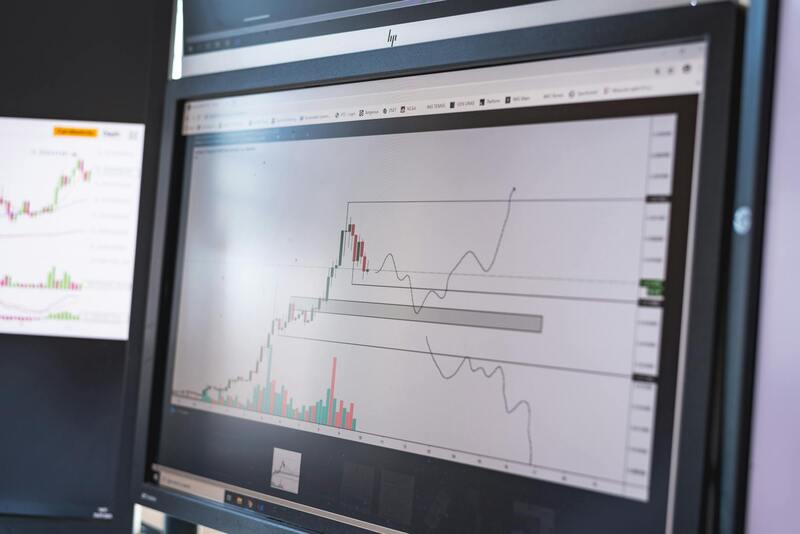
A futures proprietary trading account operates within a structured environment that provides traders access to significant capital, advanced trading platforms, and tailored risk management protocols. These accounts are typically managed under strict guidelines established by the prop firm, which ensures traders adhere to predefined risk exposure levels while leveraging the firm's resources to maximize profit potential. The core objective of such an account is to facilitate high-volume trading that benefits both the trader and the firm through shared profits while maintaining stringent oversight to protect the firm's capital base.
Key Mechanisms and Features of a Legitimate Futures Prop Firm Account
- Capital Leverage: While traders are provided with considerable leverage to amplify trading positions, firms enforce strict limits to control risk exposure effectively.
- Risk Management Protocols: Comprehensive rules including daily loss limits, maximum position sizes, and real-time monitoring are enforced to prevent overexposure and mitigate losses.
- Trading Platforms: Access to credible, advanced trading platforms that support real-time data, quick order execution, and automated trading tools.
- Performance Evaluation: Consistent evaluation based on verified trading performance, including profit targets and risk adherence, forms a baseline for ongoing account approval and potential scaling.
- Fund Utilization: The firm funds trading activities directly, with profits shared according to predetermined agreements, often involving profit splits and fee structures.
Official Procedures for Opening a Futures Prop Firm Account
Establishing a futures prop firm account involves a systematic process centered on transparency, verification, and compliance with regulatory standards. Prospective traders must typically provide comprehensive personal and financial information, including identity verification and trading experience documentation. These steps ensure that the trader meets the firm's criteria regarding skill level and financial background.
- Application Submission: Complete an online form with detailed personal information, trading history, and financial disclosures.
- Assessment and Interview: Many firms conduct interviews or evaluation tests to assess trading acumen and market understanding.
- Risk Evaluation: The firm analyzes the trader’s potential risk profile and suitability for trading larger capital pools.
- Agreement Signing: Upon successful evaluation, both parties agree to the trading terms, risk management rules, and profit-sharing arrangements, formalized through a contractual agreement.
- Account Funding and Onboarding: The firm allocates the initial trading capital after onboarding, providing access to trading platforms and support resources.

Challenges Faced in Maintaining a Futures Prop Firm Account
While a futures prop firm account offers significant opportunities, traders must be mindful of the operational and strategic challenges involved. These include maintaining strict compliance with risk management guidelines, adapting to market volatility, and continuously refining trading strategies to remain profitable within the firm's parameters. Regular performance reviews and adherence to trading discipline are essential components of long-term success. Additionally, traders must stay informed about regulatory updates and platform changes to ensure ongoing compliance and optimal trading conditions.
Effective risk control measures—such as setting stop-loss orders, limiting individual trade sizes, and scheduling constant trade reviews—are integral to navigating the complexities of futures trading within a prop firm environment. An imbalance in any of these areas can lead to rapid account de-risking or termination, emphasizing the importance of disciplined trading practices.

Cost Structures and Fee Models for a Futures Prop Firm Account
Official futures prop firms operate under well-defined cost structures that include initial evaluation fees, platform charges, and profit split arrangements. While some firms charge a flat fee for the evaluation process, others may incorporate a percentage of trading profits as part of the fee structure. These financial arrangements are designed to promote transparency and align interests between the trader and the prop firm.
Profit-sharing models vary, with many firms offering splits ranging from 70% to 80% of the net profits, depending on the trader’s experience and performance consistency. Additionally, some firms impose monthly or quarterly membership fees, while others provide comprehensive packages inclusive of training and platform support.

Maximizing Your Success with a Futures Prop Firm Account
After establishing your position within a reputable futures prop firm, the focus shifts towards optimizing trading strategies, adhering to operational standards, and leveraging the resources offered by the firm. These steps are crucial for sustained growth and consistent profitability in the dynamic futures markets.
Implementing Professional Trading Tactics
Effective trading in a futures prop firm environment hinges on disciplined strategy execution. Traders should prioritize comprehensive technical and fundamental analysis to inform their position entries and exits. Employing advanced charting tools and staying informed about macroeconomic developments can significantly enhance decision-making processes.
Furthermore, adopting a systematic approach—such as developing detailed trade plans and maintaining trade journals—allows traders to review performance, identify patterns, and refine their tactics over time. Consistent application of risk management principles, including precise stop-loss placement and position sizing, safeguards capital and preserves capital for long-term growth.

Utilizing Firm-Provided Resources and Support
Most futures prop firms offer extensive educational resources, including training programs, seminars, and one-on-one coaching, all tailored to elevate trader competence. Effectively leveraging these offerings can enhance trading skills and instill better decision-making habits.
Technology plays a vital role in the trading process. Firms typically provide robust trading platforms equipped with advanced analytics, real-time data feeds, and risk management tools. Regularly engaging with these platforms, understanding their functionalities, and seeking technical support when needed can significantly improve trading execution and efficiency.
Monitoring Performance and Ensuring Compliance
Adherence to the firm’s trading rules, risk limits, and compliance requirements is essential. This not only maintains trading privileges but also fosters a disciplined trading mentality. Performance metrics such as win-loss ratios, average profit per trade, and overall drawdown should be systematically tracked and analyzed.
Many firms implement regular review sessions, either through automated performance dashboards or personal reviews with senior traders or compliance officers. Embracing constructive feedback and adjusting trading behaviors accordingly can lead to more consistent results and higher profit shares.
Scaling and Advancing Your Career
Successful traders within a futures prop firm often look to expand their trading scope by increasing capital allocation, diversifying into different futures markets, or taking on more complex trading instruments. Demonstrating consistent profitability, disciplined risk management, and adherence to firm policies creates opportunities for career advancement, larger trading accounts, or even leadership roles within the firm.
Networking with other experienced traders, participating in firm-sponsored competitions, and continuously updating market knowledge are instrumental in progressing within the proprietary trading environment.
Continuous Learning and Adaptation
The futures markets are inherently volatile and ever-changing. Staying ahead requires ongoing education, whether through formal courses, industry publications, or participation in trading communities. Adapting to evolving market conditions, integrating new trading tools, and refining strategies based on performance data are essential for long-term success.
Such an approach ensures that traders remain agile and resilient, capable of navigating market shifts and capitalizing on emerging opportunities within the framework provided by their futures prop firm account.
