
Understanding Futures Prop Trading and the Industry
Futures proprietary trading, commonly known as futures prop trading, involves traders using a firm's capital to execute trades on futures markets. This approach allows traders to leverage the firm’s resources to access larger positions than individual capital allows. The primary goal of futures prop firms is to identify skilled traders who can generate consistent profits while adhering to specific risk management guidelines. These firms serve as vital players in the broader financial ecosystem, providing opportunities for talented traders to scale their trading careers without the necessity of personal risk exposure.

In the United States, futures prop firms operate within a well-established trading landscape, regulated and supported by industry standards that emphasize transparency and trader accountability. These firms typically differ from retail trading in that they focus exclusively on professional traders who meet stringent evaluation criteria. The industry has grown substantially over recent years, driven by technological advancements, the availability of sophisticated trading software, and an increasing demand for professional-grade trading environments.
Most futures prop firms offer structured programs that include evaluation phases, training, and risk management frameworks designed to ensure that traders can perform consistently. Successful traders often gain access to the firm’s capital through rigorous testing and performance evaluations, which determine their trading capacity and profit-sharing arrangements. The industry's growth is also supported by an evolving ecosystem of proprietary trading software platforms that facilitate analysis, execution, and performance tracking—a vital component for the success of any futures prop operation.

For individuals interested in entering this sphere, understanding the functional dynamics of futures prop trading and the operational models of successful firms is crucial. Typically, a futures prop firm acts as both a trader’s employer and capital provider, sharing profits based on pre-agreed terms and ensuring all trading activities comply with industry standards. This environment fosters professional development, risk management discipline, and scalable growth opportunities, making it an attractive pathway for traders aiming to expand their trading trajectories within a regulated and supportive framework.
Understanding Futures Prop Trading and the Industry
Futures proprietary trading (prop trading) represents a dynamic sector within financial markets, characterized by firms that trade their own capital with the aim of generating profits. These firms operate with a focus on strategic execution, risk management, and technological integration, which distinguishes them from traditional investment entities. The landscape has been significantly shaped by advancements in trading technology, facilitating more sophisticated analysis, faster execution, and comprehensive performance tracking systems.
The operational architecture of futures prop firms typically involves structured evaluation programs designed to identify talented traders capable of consistently profitable trades. These programs incorporate simulation environments, real-time evaluations, and risk controls that serve to calibrate a trader’s skills against the firm's standards. Successful completion often results in traders gaining access to the firm's capital, with profit-sharing models providing both incentive and reward for exceptional performance.

The industry’s growth is fueled by the proliferation of advanced proprietary trading software platforms. These systems enable traders to analyze market data efficiently, execute trades with precision, and monitor their performance continuously. As a result, both new and experienced traders can leverage these tools to optimize their trading strategies, minimize risks, and enhance profitability within a structured environment.
Key Components of a Building a Prop Firm
Establishing a successful futures prop trading operation requires meticulous planning and resource allocation. The essential elements include:
- Trading Infrastructure: Robust hardware, reliable internet connectivity, and high-quality trading software are foundational to high-frequency execution and real-time data analysis.
- Capital Resources: Sufficient financial backing to support trading activities, risk management buffers, and potential expansion initiatives.
- Team and Expertise: Skilled traders, risk managers, and technical analysts who can operate within the firm's strategic framework.
- Operational Policies: Clear procedures for trade execution, risk limits, compliance, and profit distribution are crucial for consistent performance and regulatory adherence.

Setting Up a Futures Prop Firm Account
For traders looking to participate, establishing a futures prop firm account typically involves a structured onboarding process. This process may include completing application forms, undergoing evaluation phases, and demonstrating trading competence through simulated or real trading periods. The account setup process emphasizes transparency, compliance with industry standards, and alignment with the firm’s risk management protocols.
Developing Trading Strategies for a Prop Firm
Effective trading strategies are central to a prop firm's success. These strategies are built upon market analysis techniques, risk assessment models, and disciplined trade execution. Traders often utilize technical indicators, algorithmic signals, and macroeconomic data to formulate adaptable approaches suited to different market conditions. Continual refinement through backtesting and real-time performance review ensures that strategies remain competitive and aligned with the firm’s profit goals.
Futures Prop Firm Challenge Requirements
Many prop firms require traders to pass a challenge or evaluation period before gaining full access to trading capital. These challenges assess a trader’s ability to manage risk, adhere to trading rules, and generate consistent profits within specified limitations. Successful completion usually results in qualification for a funded account, providing traders with the resources needed to scale their trading activities.
Securing Funding and Discounts for Prop Firms
Funding procurement often involves negotiating capital allocations, profit splits, or discount arrangements with the prop firm. Effective traders may benefit from reduced fees or preferential access to advanced trading tools. Establishing a track record of profitability and adherence to the firm's policies can enhance funding opportunities and operational advantages.
Regulations and Compliance for US Futures Prop Firms
Operating a futures prop firm within the United States necessitates compliance with comprehensive regulatory standards. This involves registration with relevant authorities, adherence to anti-money laundering laws, and maintaining transparent record-keeping. Fostering a culture of compliance helps protect the firm from legal risk and promotes trust among clients and trading partners.
Growth and Scaling of a Futures Prop Firm
Expanding a futures prop operation requires strategic planning around capital injection, diversification of trading strategies, and technology upgrades. Scaling initiatives should emphasize risk mitigation, team development, and operational efficiency. As the firm increases its assets and trader count, establishing clear policies and leveraging data-driven insights ensures sustainable growth.
Setting Up a Futures Prop Firm Account
Establishing an effective account within a futures proprietary trading firm involves a series of strategic steps geared towards ensuring smooth operations and compliance with industry standards. The process begins with selecting a reputable prop trading platform that aligns with the firm's trading objectives and regulatory obligations. Once the platform is chosen, traders and operators must go through a comprehensive onboarding process, which includes submitting necessary identification documents, financial disclosures, and proof of trading experience, if applicable.
Account management within a futures prop firm necessitates rigorous adherence to compliance protocols. This includes understanding the firm’s risk management policies, trading limits, and reporting requirements. Proper account setup also involves configuring trading software for optimal performance, setting appropriate permissions, and establishing security measures such as two-factor authentication to protect sensitive information and assets.

Operators should maintain meticulous records of all trading activities, including order history, profit and loss statements, and risk assessments. These records are essential not only for internal review but also for fulfilling regulatory reporting obligations, particularly if operating within jurisdictions that mandate transparency and auditability.
Operational excellence in managing futures prop firm accounts involves ongoing monitoring and adjustments. This includes analyzing trading performance metrics, managing collateral and margin requirements, and implementing improvements based on performance data. Additionally, establishing secure communication channels and regular training ensures compliance with evolving regulatory standards and industry best practices.
Developing Trading Strategies for a Prop Firm
Crafting robust trading strategies is fundamental to the success of a futures prop firm. Strategies should be grounded in rigorous market analysis, encompassing technical, fundamental, and sentiment analysis to identify high-probability trading opportunities. A diversified approach that includes multiple trading styles, such as trend-following, mean reversion, and breakout strategies, helps mitigate risk and adapt to evolving market conditions.
Backtesting strategies on historical data is an essential step to evaluate their potential performance and resilience during different market scenarios. Once validated, strategies can be implemented in live trading environments, with continuous performance tracking and adjustments as needed. Automation plays a key role in executing consistent strategies, reducing emotional bias, and increasing execution speed.

Futures Prop Firm Challenge Requirements
Most futures prop firms implement challenge programs to assess the skills and discipline of prospective traders before granting access to funded accounts. These challenges typically involve trading a simulated account for a specified period while adhering to predefined rules regarding risk, drawdown limits, and trading volume. Success in these challenges demonstrates a trader’s capability to manage risk effectively and adapt to market conditions.
It is crucial for traders to meticulously follow the challenge guidelines, maintain disciplined risk management practices, and document their strategies to maximize their chances of passing the evaluation. Once the challenge is successfully completed, traders often gain access to real trading capital, with profit-sharing arrangements structured to incentivize consistent performance.
Securing Funding and Discounts for Prop Firms
Funding procurement within a futures prop firm hinges on establishing a convincing track record of profitability and risk management. Traders aiming to secure operational capital should focus on demonstrating consistent performance through simulated trading or smaller live accounts. Building a detailed performance history helps negotiate better profit splits, lower fees, or access to cutting-edge trading tools and data services.
Discounts or preferential terms can also be obtained through volume-based agreements, long-term commitments, or by participating in educational and training programs offered by the prop firm. Transparent communication and a professional approach in negotiations reinforce credibility and foster mutually beneficial relationships.
Regulations and Compliance for US Futures Prop Firms
Compliance with regulatory standards is a cornerstone of operating a futures prop firm within the United States. This involves registering with the appropriate authorities, such as the Commodity Futures Trading Commission (CFTC), and adhering to the rules set forth by the National Futures Association (NFA). Maintaining a comprehensive compliance program includes diligent record-keeping, risk controls, AML (anti-money laundering) procedures, and routine audits.
Legal and operational transparency also extends to client disclosures, trading disclosures, and fair marketing practices. Employing compliance officers or professionals helps ensure that the firm remains aligned with evolving regulatory expectations, reducing the risk of sanctions and fostering trust among traders and investors.
Growth and Scaling of a Futures Prop Firm
Scaling a futures prop firm requires strategic planning focused on diversifying trading strategies, expanding the trader network, and investing in advanced technology. Increasing capital reserves allows the firm to support more traders and diversify into different asset classes and markets, which can stabilize overall performance.
Operational efficiency is critical at larger scales. This can be achieved through automation, optimized risk management systems, and data analytics capabilities. Establishing a team of skilled analysts, risk managers, and compliance professionals helps maintain high standards and supports sustainable growth.
In addition to technological upgrades, a firm should explore strategic partnerships and client relationships that enable access to new markets and capital sources. Clear policies, performance tracking, and adherence to industry standards ensure that growth remains disciplined and aligned with long-term objectives.
Setting Up a Futures Prop Firm Account
Establishing a futures proprietary trading account is a critical step in building a professional trading environment. This process involves selecting a reputable broker or trading platform that specializes in futures markets and offers services tailored for prop trading operations. It is essential to verify the platform’s credentials, trading infrastructure, and support systems to ensure they meet the operational demands of a prop firm.
Once the appropriate broker is identified, the next phase involves completing the account setup process. This typically includes submitting comprehensive documentation to verify the legal and financial standing of the firm, such as business formation documents, trader onboarding documents, and financial statements. Transparent communication with the broker can expedite account approval and facilitate personalized support.
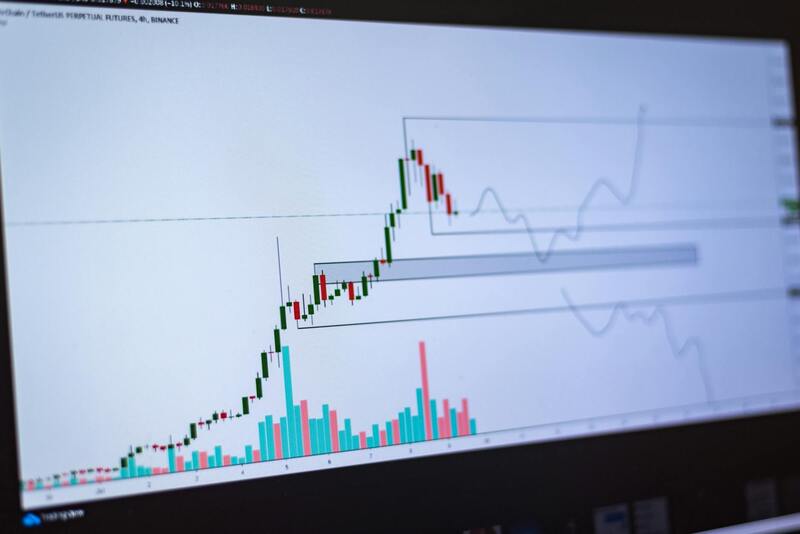
During account setup, it’s important to configure trading parameters that align with firm policies, including risk management limits, margin requirements, and trading permissions. Customizing these settings helps maintain consistency in trading activities and enforce discipline among traders. Many brokers provide advanced trading tools, risk controls, and reporting features which should be leveraged to monitor performance and ensure adherence to established protocols.
Fund transfers and initial capitalization are also key components of setting up the account. Ensure that funding methods align with operational needs and that proper documentation supports the source of capital, fostering transparency and smooth operational flow. Establishing clear procedures for capital allocation, trader onboarding, and account management further supports the stability and scalability of the prop firm.
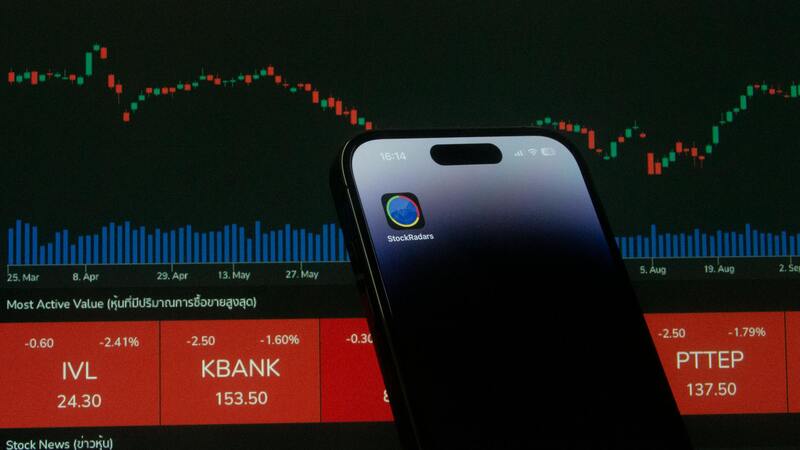
Training and orientation sessions for traders are essential at this stage. Proper onboarding ensures that traders understand the risk management policies, trading procedures, and compliance requirements. Consistent training helps maintain high standards and reduces the likelihood of operational errors, contributing to the overall health of the prop trading environment.
Finally, integrating compliance checks and regular audit routines at the account setup phase prepares the firm to meet ongoing oversight standards. By establishing robust account management protocols from the outset, the prop firm can foster a disciplined trading culture, mitigate operational risks, and lay the groundwork for long-term growth and success.
Developing Robust Trading Strategies for a Prop Firm
Creating effective trading strategies is a critical aspect of operating a successful futures prop firm. These strategies form the foundation for consistent profitability and risk management, enabling traders to navigate volatile markets with confidence. Developing such strategies involves a meticulous process of research, backtesting, and continual refinement to ensure they adapt to changing market conditions and adhere to the firm's risk parameters.
Core Principles for Strategic Development
- Risk-Reward Optimization: Ensuring each trade offers a favorable balance between potential gains and acceptable risk exposure is essential. Strategies should incorporate clearly defined risk limits, stop-loss levels, and profit targets to maintain discipline.
- Market Analysis Techniques: Successful strategies often leverage technical analysis, fundamental analysis, or a combination of both. Employing indicators, pattern recognition, and macroeconomic data helps traders identify high-probability setups.
- Trade Management: Effective strategies integrate rules for trade entry, scaling, and exit. This includes defining criteria for adding to positions, adjusting stop-loss levels, and closing trades to maximize gains or limit losses.
- Time Frame Selection: Strategies should be tailored to specific time frames such as intraday, swing, or position trading, depending on trader expertise and market conditions.
Backtesting and Simulation
Before deploying strategies in live trading, rigorous backtesting against historical data is vital. This process validates the strategy’s effectiveness, assesses its risk profile, and highlights areas for improvement. Simulated trading environments further allow traders to refine their approach without exposure to real market risks, building confidence and competence.
Continuous Strategy Evaluation
Market dynamics evolve, making ongoing performance evaluation fundamental. Regular review of trade outcomes, adherence to trading plans, and adjustment of strategies in response to emerging trends help maintain high performance levels. Data-driven insights from trading logs and analytics support this continuous improvement process.
Leveraging Profitable Strategies within a Prop Firm Framework
Within a prop firm, traders operate under strict compliance and risk management protocols. Strategies must be adaptable while aligning with firm policies. Proper implementation includes detailed documentation, regular monitoring, and disciplined execution, which collectively cultivate a high-performance trading environment. The combination of advanced tools, such as algorithmic signals and risk controls, enhances the precision of strategy deployment, leading to better risk-adjusted returns for the firm.

Securing Funding and Discounts for Prop Firms
Establishing a successful prop trading firm requires access to sufficient trading capital to sustain and scale operations effectively. Securing funding involves a combination of strategic planning, robust performance records, and constructing relationships with capital providers. Many traders start by leveraging personal savings or private investments to build a track record before approaching larger investors or institutional funding sources.
When seeking funding, transparency and consistency in trading performance are essential. Demonstrating a disciplined approach to risk management, profit generation, and adherence to trading plans can significantly influence funding decisions. A well-organized trading journal that documents strategies, risk metrics, and outcomes serves as a compelling evidence of reliability, making it easier to negotiate funding arrangements.
In addition to direct capital injections, prop firms often benefit from various discounts and favorable terms offered by industry service providers. These include discounted data feeds, lower commissions, and specialized software or hardware tools. Establishing partnerships with technology vendors and brokerage firms can lead to cost savings, which are vital for maintaining competitive edge and profitability. For traders and firms alike, negotiations should center around volume-based discounts, preferred trading conditions, and access to advanced analytical tools.
Proprietary trading firms also explore alternative financing methods, such as profit-sharing agreements with investors or specialized funding programs designed for emerging traders. These avenues often provide initial capital in exchange for a portion of future profits, aligning incentives and reducing upfront financial burdens. Effective communication of a clear trading plan, risk controls, and growth strategies enhances the likelihood of securing such arrangements.

While securing funding is crucial, maintaining a disciplined and transparent approach remains paramount. This includes regular reporting, rigorous risk management, and adherence to compliance standards, which collectively foster trust with funding partners and support long-term growth.
Understanding Futures Prop Trading and the Industry
Futures proprietary trading, commonly known as futures prop trading, involves traders and firms using their own capital to trade derivatives contracts that derive value from underlying assets such as commodities, currencies, or financial indices. This trading approach allows firms to capitalize on market volatility and leverage opportunities without the constraint of client funds. The futures industry is highly dynamic, characterized by rapid technological advancements, evolving regulatory standards, and increasing competition among trading entities seeking profitability and sustainable growth.
In recent years, the ascendancy of online trading platforms and sophisticated software solutions has transformed the landscape, enabling traders and firms to execute strategies with heightened precision and speed. Notably, the rise of build prop firm models—where trading firms are created from the ground up—has empowered aspiring entrepreneurs and traders to establish their own operational structures, access capital, and participate actively in global markets. Successful build prop firms often rely on a disciplined approach, leveraging technology, data analytics, and strategic risk management to optimize trading performance and ensure long-term viability.

Key Components of a Building a Prop Firm
- Capital Acquisition: Securing initial trading capital is fundamental. This can be achieved through personal savings, partnerships, or leveraging relationships with investors and funding programs dedicated to emerging traders.
- Technology Infrastructure: Advanced trading software, data feeds, and hardware setups form the backbone of effective trading operations. Automation tools and risk management systems enhance decision-making and operational efficiency.
- Trading Strategies: Developing robust, tested strategies tailored to futures markets is essential. This includes implementing algorithms, technical analysis, and market research to identify lucrative trading opportunities.
- Risk Management Protocols: Setting strict risk controls, including stop-loss orders, position sizing rules, and daily loss limits, ensures that potential downside risks are minimized while preserving capital.
- Operational and Compliance Framework: Proper documentation, reporting, and adherence to industry standards foster a professional, compliant environment conducive to growth.
Building a Strong Team
Assembling a team of skilled traders, analysts, and IT professionals can significantly enhance a build prop firm’s capabilities. Collaboration and continuous training help maintain competitive edges and adapt strategies based on market conditions.

Setting Up a Futures Prop Firm Account
Creating the necessary accounts for trading in the futures industry involves several steps that demand meticulous attention to detail. First, select a broker that specializes in futures trading and offers favorable terms for prop firms. The onboarding process includes providing detailed documentation about the firm's operational structure, trading plan, and risk management procedures.
Once the account is approved, firms must configure their trading environment, integrating proprietary or third-party software solutions to execute trades automatically or manually. Accurate setup of risk controls within these platforms is critical for aligning operations with regulatory standards and personal risk parameters.
- Account Application: Complete detailed forms, including business credentials, trading experience, and financial statements.
- Configuration and Testing: Set up trading algorithms, risk limits, and data feeds; test thoroughly using demo accounts.
- Funding the Account: Transfer initial capital, usually via bank transfer or wire, to enable live trading.
Developing Trading Strategies for a Prop Firm
Strategic development begins with comprehensive market analysis, historical data review, and scenario testing. The best trading strategies for futures prop firms prioritize consistency, adaptability, and risk mitigation. Quantitative models, coupled with qualitative market insights, create a balanced approach.
Strategies should include clear entry and exit signals, leverage considerations, and contingency plans for adverse market movements. Employing backtesting and forward testing ensures robustness before deploying strategies in live trading environments. Continuous monitoring and periodic adjustments are vital, particularly as market conditions evolve.
Utilizing Technology for Strategy Enhancement
Algorithmic and high-frequency trading solutions can optimize execution speed and precision. Harnessing artificial intelligence and machine learning tools further refines these strategies, allowing firms to stay ahead of market trends and adapt swiftly to new data.
Futures Prop Firm Challenge Requirements
Many building prop firms engage in challenge programs or evaluation periods designed to demonstrate trading capability and risk control adherence. These challenges typically necessitate meeting specific profit targets within predefined timeframes, maintaining risk levels, and following strict trading rules.
- Performance Metrics: Achieving a specified profit target while keeping drawdowns within acceptable bounds.
- Trade Management: Demonstrating disciplined trade execution aligned with strategic plans.
- Risk Compliance: Maintaining risk limits and avoiding excessive exposure that could jeopardize funding approval.
Successful completion of these challenges often qualifies traders for ongoing capital access, fostering a scalable growth trajectory for the firm.

Advanced Strategies for Scaling and Growing Your Prop Firm
Successfully building a futures prop trading operation extends beyond initial setup and trading strategy development. To establish a sustainable and prosperous enterprise, it is essential to implement effective growth and scaling strategies. These strategies focus on expanding trading volume, enhancing team capabilities, and optimizing overall profitability, all while maintaining a robust risk management framework.
Expanding Trading Volume and Market Reach
In the context of a prop trading firm, increasing trading volume is a primary driver of revenue growth. This can be achieved through several channels:
- Diversification of Trading Instruments: Incorporate a wider array of futures contracts to access various markets such as commodities, indices, currencies, and interest rates. Broader market access allows for more trading opportunities and risk diversification.
- Time Zone Adaptation: Expand operational hours or employ traders across different regions to capitalize on various trading sessions. This approach ensures continuous market engagement and captures fleeting trading opportunities.
- Automation and Algorithmic Trading: Deploy automated trading systems to handle high-frequency and algorithmic trades. These systems can operate efficiently around the clock, executing strategies with speed and precision beyond human capacity.

Developing a Skilled and Adaptable Trading Team
As your prop firm grows, expanding and refining your team becomes crucial. Skilled traders with diverse expertise can contribute to a broader strategy portfolio and help mitigate risk. Strategies for team development include:
- Recruitment of Specialized Traders: Focus on hiring traders with experience in specific markets or trading styles, such as scalping, trend following, or options trading.
- Ongoing Training and Education: Invest in professional development through workshops, courses, and mentoring programs to keep traders updated on market developments and new trading methodologies.
- Performance Monitoring and Incentivization: Implement rigorous performance evaluation systems that reward consistent profitability and disciplined risk management.

Optimizing Profitability Through Strategic Allocation
Maximizing profits while controlling risk requires a disciplined approach to capital allocation and trade management:
- Dynamic Position Sizing: Adjust position sizes based on market volatility and individual trade risk to optimize exposure.
- Portfolio Management: Maintain a diversified portfolio of strategies to balance risk and rewards, avoiding over-reliance on any single approach.
- Automation and Systematic Trading: Use advanced algorithms to automate trade execution and management, reducing emotional decision-making and enhancing consistency.
Implementing Robust Risk Management Frameworks
As the firm scales, it remains essential to uphold comprehensive risk controls. High leverage, multiple traders, and diverse strategies make risk oversight complex. Robust risk management entails:
- Real-time Risk Monitoring: Deploy sophisticated analytics and dashboards to track exposure levels, drawdowns, and compliance with risk limits at all times.
- Risk Limit Parameters: Set strict limits on daily, weekly, and per-trade losses to prevent excessive drawdowns.
- Regular Stress Testing: Conduct scenario analyses to evaluate the firm's resilience against adverse market conditions and system failures.
Scaling Infrastructure and Support Systems
Growth requires robust technological infrastructure, reliable data feeds, and effective communication channels. Ensuring your firm’s operational backbone can handle increased activity involves:
- Upgraded Trading Platforms: Invest in scalable, high-performance hardware and software that accommodate expanding trading volumes.
- Enhanced Data Security: Implement comprehensive cybersecurity protocols to protect sensitive information and trading algorithms.
- Operational Support Teams: Expand administrative, compliance, and technical support to sustain operational efficiency and regulatory adherence.

Effective growth and scaling of a futures prop trading firm demand meticulous planning, disciplined execution, and agile adaptation to dynamic markets. By expanding market reach, developing a talented team, optimizing profitability strategies, and maintaining rigorous risk management, your firm can position itself for sustained success in the competitive landscape of futures trading.
