Build Your Prop Firm: An Essential Guide to Starting a Futures Prop Trading Business
Understanding Futures Prop Trading Firms
Futures proprietary trading firms, often referred to as prop trading firms, serve as specialized entities within the trading industry that facilitate and support traders in executing their strategies using the firm's capital. These firms operate by providing traders with access to significant trading accounts, allowing them to leverage capital and maximize their trading opportunities without risking personal funds. In essence, a futures prop trading firm acts as both a platform and a partner, aligning the firm's financial interests with skilled traders who can generate profits through strategic market participation.
The core operation of a futures prop firm revolves around the assessment of a trader’s skill, discipline, and consistency. After a trader is onboarded, the firm allocates trading capital, often coupled with risk control measures that protect both parties. This model fosters an environment where talented traders can focus entirely on strategy and execution, with the firm managing the financial backing and infrastructure. As a result, futures prop firms play a crucial role in the trading ecosystem by bridging the gap between individual trading talent and large-scale market participation, while also offering a scalable platform for traders seeking to expand their trading capacity.

Key Requirements to Build a Prop Firm
Constructing a successful futures prop trading operation demands a clear understanding of industry standards and operational necessities. Firstly, establishing robust infrastructure is paramount; this includes reliable trading platforms, secure data feeds, and efficient risk management systems. Proprietary software tailored to your trading strategies and risk controls forms the backbone of your operation.
Financial backing is the next crucial aspect. Securing sufficient capital not only facilitates the allocation of trading accounts but also demonstrates your firm's credibility to prospective traders and partners. Proper legal structuring and compliance policies are essential to navigate regulatory expectations and foster an environment of trust.
Equally important are skilled personnel—experienced traders, risk managers, and technical support staff who can uphold your firm's performance and integrity. A well-trained team ensures that your prop firm maintains consistent profitability and adheres to best trading practices.

Setting Up Your Prop Firm Account
Launching your prop firm requires careful setup of operational accounts, including brokerage relationships, banking, and compliance systems. Selecting reputable brokerages that provide suitable API access, margin availability, and trading features is essential to facilitate smooth trading workflows.
Additionally, establishing internal accounts for your traders and defining clear terms, such as profit-sharing arrangements, risk limits, and trading policies, will set the groundwork for operational clarity. The account setup process also involves integrating risk management software and establishing protocols to monitor trades and enforce compliance.
Documenting all procedures and maintaining accurate records contribute to transparency and accountability, critical for both internal performance evaluation and external audits.

Developing a Trading Strategy for Your Prop Firm
Crafting a robust trading strategy is central to the success and sustainability of your proprietary trading firm. This strategic framework should be grounded in comprehensive market analysis, disciplined risk management, and an understanding of various asset classes. A well-defined trading approach not only guides traders but also ensures consistency across your firm’s operations, mitigating unexpected losses and fostering steady growth.

Core Components of a Trading Strategy
- Market Analysis: Utilizing technical, fundamental, and quantitative analysis to identify viable trading opportunities. Leveraging advanced analytics tools and trading software provides insights into market trends and potential price movements.
- Risk Management: Establishing clear risk limits, position sizing rules, and stop-loss protocols is essential. These measures protect your firm's capital against adverse market movements and preserve long-term profitability.
- Trading Timeframes: Defining preferred trading periods—day trading, swing trading, or longer-term positions—based on your traders’ expertise and market conditions.
- Asset Allocation: Diversifying across futures contracts, commodities, indices, or currencies to reduce exposure and increase trading opportunities.
- Trade Execution Protocols: Implementing efficient order execution procedures that minimize slippage and transaction costs, thereby improving overall profitability.
Implementing Quantitative and Algorithmic Trading
Many prop firms adopt algorithmic trading to enhance consistency and capitalize on numerical market opportunities. Developing proprietary algorithms requires technical expertise in coding, statistical analysis, and market behavior modeling. Once in place, these algorithms can automate trading decisions, execute orders swiftly, and adapt to changing market dynamics, providing a competitive edge.
Training and Continuous Improvement
Establishing comprehensive training programs ensures that traders understand your firm’s strategy, risk parameters, and compliance standards. Continuous evaluation of trading performance and strategy refinement are key to adapting to evolving markets. Data-driven review sessions help identify weaknesses and areas for improvement, maintaining a forward-looking approach in strategy development.
Documentation and Strategy Compliance
Documenting trading rules, risk limits, and operational procedures is critical. Regular audits and adherence checks ensure that all traders operate within defined parameters, minimizing discrepancies and maintaining regulatory standards. Transparent documentation also facilitates better decision-making and operational consistency across your firm.

Understanding Futures Prop Trading Firms
Futures prop trading firms serve as specialized environments where traders utilize company capital to execute trades based on established strategies. These firms fundamentally differ from retail trading by providing access to substantial resources, advanced trading tools, and a framework designed to optimize trading performance. Building such a firm involves a detailed understanding of the operational, legal, and strategic components essential for maintaining a competitive edge in the futures markets.

Futures trading requires a comprehensive infrastructure, including state-of-the-art trading platforms, reliable data feeds, robust risk management systems, and well-articulated operational procedures. These components collectively enable traders to execute strategies efficiently, manage risk effectively, and scale operations seamlessly. A futures prop firm acts as a conduit for talented traders seeking to leverage technological resources and capital to maximize profit potential, all within a structured framework that emphasizes transparency and compliance.
Establishing a futures prop trading firm is a strategic process that extends beyond merely providing capital. It involves creating a sustainable ecosystem, supported by professional-grade technology, disciplined trading practices, and a clear organizational structure. The goal is to foster a professional trading atmosphere where traders can operate confidently and efficiently, while the firm maintains oversight to ensure consistency and adherence to operational standards.

Success in futures prop trading hinges on aligning your operational practices with industry standards, ensuring proper risk controls are in place, and continuously refining your trading approach. Implementing a reliable process for evaluating trader performance, managing capital allocation, and maintaining regulatory compliance are vital steps toward sustainable growth. A well-rounded understanding of market dynamics, combined with cutting-edge technology and disciplined execution, forms the backbone of a thriving futures prop trading enterprise.
Building your futures prop firm also involves establishing relationships with reputable brokerage services, negotiating advantageous trading conditions, and implementing secure, scalable infrastructure. These strategic initiatives ultimately empower your firm to stay competitive in a fast-changing trading landscape, providing your traders with the resources necessary to capitalize on market opportunities.
Understanding Futures Prop Trading Firms
Futures proprietary trading firms operate as specialized entities that utilize their own capital to trade futures markets, often employing a team of skilled traders. The primary aim is to generate profits through strategic market engagement while maintaining rigorous risk controls and operational standards. These firms typically focus on high-frequency trading, algorithmic strategies, and other advanced trading techniques to maximize their market advantage.

Building a reputable futures prop firm involves meticulous planning and the implementation of proven methods to attract talented traders and manage capital effectively. Rigorous selection processes are essential to identify traders with the requisite skills and discipline, ensuring alignment with the firm’s strategic goals. The firm’s infrastructure must support seamless execution, robust risk management, and comprehensive performance tracking, which form the backbone of sustainable growth.
Securing a strategic position within the futures trading industry requires a clear understanding of key operational components. This includes establishing effective trading desks, utilizing advanced trading software, and building relationships with experienced brokers. Additionally, operational transparency, compliance protocols, and continuous performance evaluation help reinforce the firm’s reputation and stability in a competitive environment.
Key Requirements to Build a Prop Firm
Constructing a successful futures prop trading firm necessitates fulfilling several core requirements that ensure operational effectiveness and scalability:
- Capital Allocation: Ensuring adequate initial funding to support trading activities and trader incentives.
- Traders Selection: Developing a rigorous evaluation framework for selecting disciplined and proficient traders.
- Trading Infrastructure: Implementing reliable, high-speed trading software integrated with data feeds and execution venues.
- Risk Management: Establishing comprehensive risk controls, including position limits and loss thresholds.
- Compliance and Regulation: Adhering strictly to industry standards and regulatory requirements to maintain operational integrity.
- Operational Policies: Developing clear trading protocols, communication channels, and performance monitoring systems.

Setting Up Your Prop Firm Account
Creating the backbone of your futures prop firm begins with establishing a structured account setup process through reputable brokerage partners. This process involves several essential steps to ensure smooth onboarding, robust oversight, and compliance with industry standards:
- Research and Partner Selection: Choose brokerage firms that offer dedicated support for prop firms, with competitive trading conditions and reliable infrastructure.
- Account Registration: Complete detailed account documentation that reflects your firm’s operational scope and trading objectives.
- Verification Procedures: Conduct thorough background and financial verification for your firm, ensuring credentials meet industry standards.
- Risk Management Integration: Configure risk controls within the broker's platform, including limit settings and automated alerts for trading activity.
- Funding and Capital Deployment: Transfer initial capital into your trading accounts, ensuring segregated accounts if required for operational transparency.
- Technology Integration: Connect your trading software with broker APIs, setting up real-time data feeds and order execution pipelines.
- Compliance Checks: Ensure all setup procedures adhere to regulatory standards, implementing necessary reporting and record-keeping protocols.
Institutional relationships with brokers should emphasize transparent communication, support for advanced trading strategies, and scalability for future expansion. Proper account setup not only facilitates efficient trading operations but also establishes foundational standards that support the firm's long-term development.

Developing a Trading Strategy for Your Prop Firm
Constructing a robust trading strategy is fundamental to the success and sustainability of your futures prop firm. This process involves rigorous analysis, disciplined execution, and continuous refinement to adapt to changing market conditions. First and foremost, aligning your trading approach with the firm’s risk management protocols is essential, ensuring that all trades adhere to predefined limits and criteria to prevent significant drawdowns.
Effective strategies often incorporate a combination of technical and fundamental analysis. Technical indicators such as moving averages, relative strength index (RSI), and volume patterns can reveal entry and exit points with high probabilities. Fundamentally, staying informed about macroeconomic data, geopolitical events, and industry-specific developments enables traders to anticipate market movements and adjust their trades accordingly.

Risk control remains at the core of strategy development. Establishing clear stop-loss and take-profit levels prevents emotional decision-making and protects the firm's capital. Utilizing automated trading systems or algorithmic strategies can enforce discipline, execute trades precisely at designated points, and eliminate human emotion from trading decisions.
Backtesting strategies on historical data is crucial to assess potential performance and identify weaknesses before deploying them live. Continuous monitoring and adjustment are required to fine-tune strategies, especially as market volatility and dynamics evolve. Incorporating a mix of trading methodologies—such as trend following, mean reversion, or breakout strategies—can diversify risk and improve overall profitability.
Furthermore, leveraging advanced trading software that integrates analytic tools, real-time data feeds, and execution capabilities enhances operational efficiency. When selecting tools and platforms, prioritize those compatible with your broker API and capable of supporting complex order types and multi-leg trading.
Consistency and discipline underpin profitable trading. Documenting every trade, analyzing outcomes, and reviewing performance metrics provide insights into what works best. A disciplined approach not only minimizes losses but also optimizes gains, which is essential for scaling your prop firm and maintaining a competitive edge in the futures markets.
Operational Aspects and Trading Practices
Effective management of operational procedures and trading practices forms the backbone of a successful futures prop trading firm. Maintaining rigorous discipline among traders, establishing clear internal policies, and adhering to best practices are essential for safeguarding the firm’s capital and maximizing profitability. Establishing a comprehensive set of guidelines ensures consistency in execution, minimizes risk, and promotes a professional trading environment.
One crucial aspect involves implementing detailed trading policies that specify risk limits, position sizing, and the types of permissible trading strategies. These policies should be transparent, accessible, and regularly reviewed to adapt to evolving market conditions and regulatory requirements. Enforcing strict adherence to these policies helps prevent impulsive trading decisions and maintains a disciplined approach among team members.
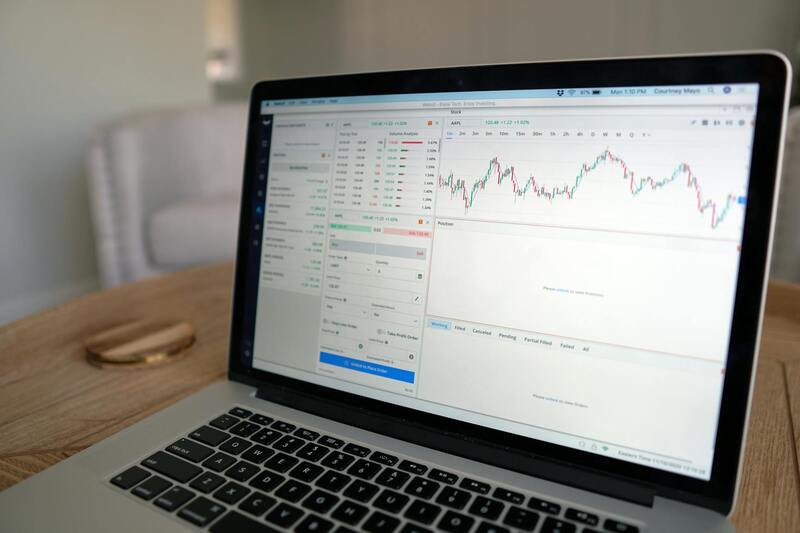
Additionally, fostering a culture of continuous education and knowledge sharing among traders enhances operational resilience. Regular training sessions, performance reviews, and peer evaluations contribute to Trader Development and skill enhancement. This approach not only improves trading outcomes but also encourages accountability and professional growth.
Ensuring compliance with internal policies and industry best practices involves leveraging sophisticated monitoring systems that track trade execution and strategy adherence. Automated compliance checks can flag deviations from established protocols, reducing the risk of inadvertent violations or costly errors. These systems also support audit trails, which are valuable for internal reviews and reporting processes.
Implementing Robust Trading Infrastructure
A secure and reliable trading infrastructure is critical for executing trades efficiently and accurately. High-performance trading platforms capable of handling complex algorithms, rapid order execution, and real-time data analysis support this infrastructure. Integrating these tools with brokerage APIs allows seamless communication and facilitates automated order management.
Effective risk management measures include setting predefined margins, employing hedging strategies, and establishing contingency plans for system outages or market disruptions. Regular system maintenance, cybersecurity protocols, and backup solutions are essential components of a resilient operational framework.
Maintaining Profitability and Compliance
- Consistent Monitoring and Evaluation: Regularly review trading performance metrics to identify areas for improvement and ensure adherence to established policies.
- Risk Management Protocols: Implement and enforce strict risk controls, including maximum daily loss limits and position restrictions.
- Trader Accountability: Maintain detailed records of trading activities, including trade rationale and strategy notes, to facilitate accountability and retrospective analysis.
- Automation and Technology: Use advanced trading software that supports automated trade execution, real-time analytics, and compliance checks.
- Ongoing Education: Foster a learning environment through seminars, mentorship programs, and continuous professional development initiatives.
Developing a structured approach to operational management and trading practices is crucial to sustain long-term profitability and compliance within a futures prop trading environment. Emphasizing discipline, leveraging technology, and fostering a culture of continuous improvement contribute significantly to the firm’s success.

Operational Aspects and Trading Practices
Building and managing a futures proprietary trading firm involves a comprehensive approach to operational procedures and trading practices that support sustainable growth and risk management. Key components include implementing robust risk controls, leveraging advanced trading technology, and maintaining rigorous compliance standards.
Risk management protocols are critical in ensuring that the firm preserves capital and minimizes exposure during volatile market conditions. This involves setting strict maximum daily loss limits which prevent traders from exceeding predefined thresholds that could jeopardize the firm's financial health. Additionally, position size restrictions serve to control risk concentration and promote diversification across various markets and instruments.
Automation plays a vital role in optimizing trading operations. Modern trading software enables automated trade execution, minimizes human error, and facilitates real-time analytics for better decision-making. Compliance checks integrated within trading platforms help ensure adherence to internal policies and regulatory standards, reducing the risk of violations that could lead to penalties or reputational harm.
Record-keeping is an essential aspect that supports trader accountability and strategic review. Detailed documentation of trading activities, including trade rationale and strategy notes, helps in performance evaluation and troubleshooting. These records enable the firm to identify patterns, refine trading strategies, and provide compliance evidence if needed.
Operational resilience must also be addressed through cybersecurity protocols, backup systems, and regular system maintenance. Protecting sensitive data and trading infrastructure ensures uninterrupted operations and reduces vulnerabilities to cyber threats or technical failures.
Fostering a culture of continuous education and improvement is equally important. Conducting seminars, mentorship programs, and ongoing training enhances trader skills, keeps the team updated on market developments, and promotes disciplined trading practices which are vital for long-term profitability.
Effective operational management is not only about technology and risk control but also about establishing clear policies and procedures. These guidelines help streamline workflows, ensure compliance, and create a disciplined trading environment that effectively supports business growth.
Operational Aspects and Trading Practices
Building a robust operational framework is crucial for the successful management of a proprietary trading firm. This encompasses a comprehensive risk management system, effective trading infrastructure, and adherence to established trading policies. Implementing advanced risk controls involves setting strict maximum drawdown limits, profit targets, and position size restrictions to safeguard the firm's capital. Clear policies on trade execution, record-keeping, and trader conduct help maintain discipline and consistency across the trading team.

Trade Execution and Management
Efficient trade execution is at the heart of a profitable prop trading operation. Utilizing reliable trading platforms with fast order processing, real-time data, and advanced order types ensures traders can act swiftly on market opportunities. Developing standardized trading procedures minimizes execution errors and promotes uniformity in trade management. Regular review of trade logs, coupled with performance analytics, enables the identification of strengths and weaknesses within trading activities.
Risk and Capital Allocation
Proper risk and capital allocation are fundamental to sustainable growth. Structured hierarchies of risk limits, tailored to trading styles and asset classes, ensure that individual traders operate within predefined boundaries. The use of risk metrics such as Value at Risk (VaR) and position sizing algorithms helps in balancing potential profits against exposure. Continual monitoring of trading performance against these metrics facilitates timely adjustments to trading strategies or risk parameters.
Compliance and Record-Keeping
Maintaining meticulous records of all trading activities is vital for transparency and accountability. Detailed documentation includes trade rationale, entry and exit points, profit and loss figures, and trader notes. These records support ongoing compliance audits and performance reviews. Additionally, systematic documentation aids in troubleshooting trading anomalies and refining strategies, ultimately contributing to more consistent results.
Cybersecurity and Data Protection
Safeguarding proprietary data and trading systems is non-negotiable. Implementing multi-layered cybersecurity protocols, such as firewalls, encryption, and access controls, shields the firm from data breaches and system intrusions. Regular updates, vulnerability assessments, and staff training reinforce security measures. Reliable backup systems and disaster recovery plans ensure operational continuity in case of technical failures or cyber threats, preserving data integrity and trading uptime.
Promoting Continuous Education and Disciplined Trading
Ongoing education is essential to keep traders proficient and adaptable to changing market conditions. Hosting seminars, workshops, and mentorship programs fosters a culture of learning and discipline. Encouraging traders to maintain trading journals and reflect on their decisions enhances self-awareness and accountability. Implementing performance reviews and feedback sessions helps identify developmental areas, ensuring the team maintains high standards of trading excellence.
Establishing Clear Policies and Procedures
Well-defined operational policies streamline workflows and standardize practices across the firm. These include guidelines for trade submission, risk management, compliance controls, and communication protocols. Clear procedures reduce confusion and ensure all team members are aligned with the firm's strategic goals. Regular policy reviews and updates adapt to evolving market dynamics and regulatory environments, maintaining operational resilience.
Technology and Automation
Leveraging automation enhances efficiency, reduces manual errors, and enables rapid response to market movements. Automated trading systems, order routing algorithms, and risk management tools should be integrated seamlessly into existing platforms. Ensuring systems are tested, reliable, and secure minimizes disruptions. Automation also facilitates standardized trade execution, performance monitoring, and compliance reporting, which are critical to scaling operations effectively.
Monitoring and Evaluating Performance
Consistent oversight of trading activities through dashboards and performance metrics provides valuable insights. Regular evaluation of individual and collective results reveals strengths, weaknesses, and areas for improvement. Establishing key performance indicators (KPIs) aligned with firm objectives guides strategic adjustments. Feedback loops, combined with data-driven decision-making, support continuous enhancement of trading practices and risk controls.