
Understanding Prop Trading Firms and the Futures Market
Proprietary trading firms, often referred to as prop trading firms, are specialized financial institutions that utilize their own capital to execute trades across various markets. Unlike traditional brokerage firms that facilitate trades for clients and earn commissions, prop trading firms focus on generating profits through their own trading activities. These entities are integral to the financial landscape, providing liquidity, market depth, and innovative trading strategies that often leverage cutting-edge technology and proprietary data analysis.
In particular, futures trading constitutes a significant segment within prop trading operations. Futures are standardized contracts that obligate traders to buy or sell an asset at a predetermined price on a future date. Futures markets encompass commodities, financial instruments, indices, and currencies, offering diverse opportunities for profit based on price movements across different sectors. Prop trading firms frequently engage in futures to capitalize on short-term volatility, arbitrage opportunities, and market inefficiencies.
Structurally, the futures trading industry within the United States is governed by a regulatory framework that ensures market transparency, integrity, and investor protection. The Commodity Futures Trading Commission (CFTC) oversees futures exchanges and trading activities, working alongside designated contract markets (DCMs) that facilitate futures transactions. The National Futures Association (NFA) also plays a vital role, establishing standards for trading practices, registration, and compliance.
The industry’s ecosystem comprises technology providers offering sophisticated trading platforms, data services, risk management solutions, and back-office software. Traders, analysts, risk managers, and compliance officers form an integral part of these firms, working collaboratively to execute strategies, monitor positions, and ensure adherence to operational standards.
Understanding this complex structure is essential for anyone aspiring to establish a proprietary futures trading firm. Recognizing the interplay between market mechanics, technological infrastructure, and regulatory oversight provides a comprehensive foundation for building a successful operation in this highly dynamic sector.
Understanding Prop Trading Firms and the Futures Market
Before diving into the operational aspects of establishing a prop trading firm, it is crucial to develop a comprehensive understanding of the environment in which these firms operate. Prop trading firms specialized in futures trading leverage advanced technological infrastructure, robust risk management protocols, and deep market insight to succeed in highly volatile markets.
The futures market is characterized by standardized contracts that obligate parties to buy or sell an asset at a predetermined price on a specified future date. These markets serve various sectors including commodities, financial instruments, and indices. Prop trading firms utilize these instruments to exploit short-term price movements, engage in arbitrage, and capitalize on market inefficiencies.
Operating within regulated exchanges, futures trading demands strict adherence to market rules and operational standards. The regulatory framework, primarily governed by the Commodity Futures Trading Commission (CFTC) and enforced through the National Futures Association (NFA), ensures transparency and integrity in trading activities. Firms must undergo licensing processes, comply with reporting standards, and implement risk monitoring systems.

In addition to regulatory compliance, modern prop trading firms rely heavily on technological solutions. These include trading platforms with sophisticated algorithms, real-time data feeds, risk management software, and back-office systems to handle accounting, reporting, and compliance tasks. Skilled traders, quantitative analysts, and risk managers work alongside IT specialists to optimize strategies and maintain operational stability.
The integration of this infrastructure allows firms to execute high-frequency trading, develop proprietary algorithms, and swiftly adapt to market changes. Understanding this layered ecosystem is key to setting a solid foundation for operational success in the futures trading landscape.
Prerequisites for Starting a Futures Prop Trading Firm
Building a successful prop trading operation begins with groundwork in skills, capital, and legal setup. Ensuring these elements aligns with your strategic objective is essential for a sustainable enterprise.
Identify Necessary Skills and Expertise
- Strong analytical skills, particularly in quantitative analysis and market research
- Experience with trading strategies, risk management, and financial modeling
- Technical proficiency with trading platforms, programming languages, and data analysis tools
- Understanding of regulatory standards and compliance procedures
Initial Capital Requirements
Launching a prop trading firm demands sufficient capital to fund trading accounts, cover operational expenses, and sustain during market downturns. While the exact amount varies depending on scale and strategy, a minimum threshold to ensure operational resilience is recommended to be in the hundreds of thousands of dollars, with larger firms requiring several million for broader reach and diversification.

Legal and Regulatory Requirements
Establishing the legal framework involves registering as a proprietary trading firm, obtaining necessary licenses, and implementing policies that comply with industry standards. This process includes drafting legal documents such as articles of incorporation, operating agreements, and compliance manuals.
Firms must submit applications to the NFA for membership, demonstrating financial stability, managerial competence, and compliance readiness. Regular audits, reporting, and adherence to anti-money laundering (AML) protocols are integral to maintaining operating licenses.
Setting Up Business Infrastructure
Of equal importance is developing a robust technical infrastructure. This encompasses selecting trading platforms, implementing data security measures, and establishing back-office systems for accounting, documentation, and compliance tracking. The infrastructure must support real-time trading, rapid order execution, and comprehensive risk oversight.
Developing Trading Strategies and Hiring Traders
Proprietary trading hinges on innovative strategies, often backed by quantitative research and machine learning models. Hiring proficient traders and analysts who can execute these strategies and adapt to evolving markets is vital. Training programs and ongoing education ensure team members stay updated on technological advancements and market conditions.
Managing Capital and Trading Accounts
Effective capital management involves allocating resources appropriately across different strategies and traders while maintaining sufficient liquidity. Establishing clear risk parameters and trading limits helps prevent overexposure and preserves capital integrity. Consistent monitoring and reporting are key for transparency and operational control.
Marketing and Client Acquisition
While prop trading firms typically focus on internal capital, some also engage in marketing activities to attract external investors or strategic partners. Building a reputation for reliability, transparency, and consistent performance helps in establishing trust and expanding operational scope.
Scaling and Long-term Operations
Scaling the enterprise involves expanding trading strategies, increasing capital allocation, and integrating new markets or asset classes. Long-term success relies on continuous technological upgrades, strategic hiring, and maintaining regulatory compliance. Strong risk management frameworks and adaptable operational models ensure resilience against market shocks and regulatory changes.
Legal and Regulatory Considerations for a Futures Prop Trading Firm
Establishing a futures proprietary trading firm involves navigating a complex landscape of regulatory standards that ensure transparent and fair market practices. The primary regulatory body overseeing futures trading in the United States is the Commodity Futures Trading Commission (CFTC). To legally operate, a prop trading firm must register as a commodity trading advisor or a commodity pool operator, depending on its operational structure.
In addition to registration, firms are generally required to become members of the National Futures Association (NFA), which enforces compliance rules and provides licensing for individual traders and firms. The application process for NFA membership involves comprehensive background checks, financial audits, and detailed disclosures regarding the firm's ownership, operational plans, and trading strategies.
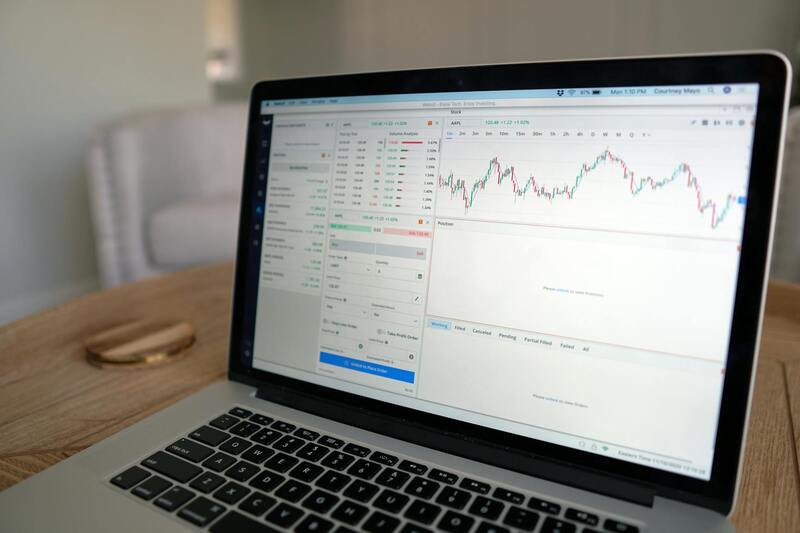
Firms must adhere to rigorous compliance standards, including maintaining adequate financial requirements, implementing robust risk management protocols, and regularly submitting reports on trading activities. Such measures safeguard client interests and uphold market integrity.
Documentation and Licensing Processes
- Registration with the CFTC: Filing Form 7-R or Form 4-R, depending on the firm's nature and scale.
- NAICS Code Assignment: Classifies the firm's primary business activities for regulatory and statistical purposes.
- Membership with the NFA: Applying for membership and passing compliance and proficiency exams for key personnel.
- Financial Requirements: Demonstrating sufficient net worth to meet minimum capital and margin requirements.
- Implementing Compliance Programs: Documented policies and procedures for internal oversight, trade supervision, and reporting standards.
Adhering to these steps not only fulfills legal obligations but also bolsters the firm's credibility within the trading community. Proper licensing and compliance strategies lay the foundation for operational stability and long-term growth in the futures trading sector.

Setting Up Business Infrastructure
Constructing a solid framework for your prop trading firm begins with establishing essential technological and operational infrastructure. This foundational layer ensures seamless trading, effective risk management, and efficient record-keeping. The initial step involves selecting trading accounts that align with your firm’s strategic objectives, whether those involve proprietary capital only or a combination of client funds and proprietary trading. Partnering with reputable clearing firms or liquidity providers can enhance the firm’s capacity to execute large volume trades and access competitive spreads.

Next, investing in robust trading technology platforms is critical. These systems serve as the core operational hub, facilitating order execution, real-time data analysis, and risk assessment. Many successful prop trading firms leverage proprietary software, but industry-standard platforms—such as those offered by MetaTrader, NinjaTrader, or more advanced dedicated institutional trading systems—are viable options for startups. Ensuring platform stability, latency optimization, and compatibility with multiple market venues is essential for gaining a competitive advantage.
Alongside trading platforms, implementing advanced risk management systems protects the firm from significant losses and ensures compliance with internal controls. These systems monitor positions in real-time, enforce trading limits, and generate alerts for unusual activity. Automated risk controls reduce human error and enable consistent adherence to trading parameters, thereby safeguarding the firm's capital.
Office setup also plays an influential role in operational efficiency. While many prop firms function remotely, establishing a professional workspace equipped with high-speed internet, secure communication channels, and reliable power supplies enables traders to operate smoothly. For remote teams, investing in Virtual Private Networks (VPNs), encrypted communication tools, and cloud storage solutions enhances security and collaboration.

Additional Infrastructure Components
- Data Feeds and Market Access: subscribing to real-time data feeds and ensuring connectivity to multiple exchanges for expanded trading opportunities.
- Back-office and Compliance Software: Tools for trade reconciliation, reporting, and compliance monitoring to streamline operations and adhere to regulatory standards.
- Hardware and Security Measures: Using firewalls, encryption, and secure servers to protect sensitive information and prevent unauthorized access.
- Client Management Systems: Platforms for onboarding, account management, and communication if the firm manages external clients or traders.
Building a dependable infrastructure foundation not only facilitates efficient trading operations but also instills confidence among traders, investors, and regulatory bodies. Proper planning and investment in the right technology and systems are critical steps toward establishing a resilient prop trading firm capable of long-term success in the competitive futures market landscape.
Developing Trading Strategies and Hiring Traders
Creating robust trading strategies is essential for the success of a proprietary trading firm. These strategies serve as the foundation for trading decisions and impact overall profitability. Proprietary traders often develop proprietary algorithms or algorithms that have been backtested rigorously to ensure reliability across different market conditions. The development process involves adapting existing strategies, optimizing parameters, and continuously analyzing performance metrics to enhance accuracy and consistency.
Moreover, some firms prefer to acquire proven trading strategies from experienced traders or third-party developers. This approach can shorten the development cycle and provide immediate trading capabilities, but it requires thorough vetting to ensure alignment with the firm's risk appetite and operational standards.

Alongside strategy development, recruiting skilled traders is a pivotal component. The hiring process should be meticulous, focused on evaluating a trader’s track record, risk management skills, and ability to adapt to changing market conditions. Firms often conduct multiple interview rounds, including simulation trading assessments, to validate candidates' competencies.
Once hired, traders should be provided with comprehensive training that emphasizes the firm’s trading philosophies, risk management protocols, and operational procedures. Establishing clear performance metrics—such as profit/loss ratios, drawdowns, and consistency—helps to monitor trader effectiveness and identify areas for improvement.
Establishing a Performance-Based Culture
The cultivation of a results-oriented environment involves setting transparent goals and regular performance reviews. Utilizing advanced analytics and trading dashboards allows for real-time performance tracking, which supports timely feedback and strategic adjustments. Recognizing top performers and providing ongoing training are also vital in maintaining a motivated and skilled trading team.
By balancing technological innovation with skilled human resources, a prop trading firm can enhance its competitive edge and adapt swiftly to market dynamics.
Implementing Risk Management and Compliance Systems
Effective risk management frameworks are integral to sustainable operations. These include pre-trade risk checks, real-time monitoring, and establishing position limits that align with the firm's risk tolerance. Compliance systems should be integrated into daily operations to monitor adherence to internal policies and regulatory standards, even if explicit regulatory disclosures are not mentioned here.
Technology plays a critical role in this process: automated alerts for abnormal trading activity, comprehensive audit trails, and secure data storage all contribute to maintaining operational integrity while enabling swift responses to potential issues.

Conclusion
Developing effective trading strategies and assembling a qualified team of traders set the stage for the firm's long-term success. Emphasizing rigorous evaluation, continuous training, and robust risk controls ensures the firm operates efficiently while minimizing exposure to unforeseen market shifts. With these elements in place, a prop trading firm can position itself for sustained growth and competitive resilience in the evolving futures market landscape.
Implementing an Effective Trading Infrastructure
Establishing a robust trading infrastructure is essential for a futures prop trading firm aiming for consistency and scalability. This involves selecting the right trading platforms, data feeds, and hardware that can support high-frequency trading and complex strategies. For firms just starting out, investing in reliable brokerage accounts that provide API access, low latency, and competitive commission structures creates a foundation for efficient trading operations.
Choosing the appropriate trading software is equally critical. Many successful firms develop or license proprietary trading algorithms that can be backtested and optimized across various market conditions. These tools should offer seamless integration with data services and execution venues, allowing traders to execute orders swiftly and accurately. Additionally, implementing an order management system (OMS) enhances tracking and management of multiple trades simultaneously, ensuring precise execution and record-keeping.

Operational and Data Security Measures
In setting up the operational environment, prioritizing data security and system reliability is paramount. This involves deploying secure servers, encrypted data transmissions, and regular vulnerability assessments. Protecting sensitive client information and trading strategy data not only maintains operational integrity but also fosters trust with trading partners and team members.
For firms with multiple traders, establishing network security protocols such as VPNs, firewalls, and multi-factor authentication systems safeguards against unauthorized access. Regular backup routines, disaster recovery plans, and system redundancies should be integrated to ensure continuous trading capabilities even amid hardware failures or cyber threats.
Financial Management Systems
Managing financial workflows introduces complexities that require dedicated solutions. Implementing accounting software tailored for trading operations helps track profit and loss, manage payroll, and handle tax obligations efficiently. Transparency in financial records is crucial for internal analysis and external reporting, especially when scaling operations or attracting external capital.
Operational efficiency is further supported by integrating banking solutions that automate fund transfers, support multiple accounts, and provide real-time balance tracking. These systems streamline capital management, ensuring sufficient liquidity for trades and operational costs.

Building a Professional Team and Continuous Improvement
Once the technical and operational foundations are in place, focusing on team development becomes pivotal. Hiring skilled traders with proven track records in futures markets ensures the application of effective strategies and adaptability to market changes. Regular training sessions, performance reviews, and access to advanced analytics tools foster professional growth and consistent decision-making.
Encouraging collaboration and knowledge sharing among team members can lead to innovative trading approaches and risk mitigation techniques. Additionally, maintaining a feedback loop between traders and technical staff bridges the gap between strategy development and execution, enhancing overall efficiency.
Furthermore, continuously reviewing and updating technological systems and operational procedures promote agility. Keeping pace with advancements in trading technology and market regulations ensures the firm remains competitive within the evolving landscape of futures trading.
Understanding Prop Trading Firms and the Futures Market
Prop trading firms operate as specialized entities that facilitate proprietary trading on behalf of their own accounts, primarily focusing on futures markets, where traders leverage capital to capitalize on market movements. Establishing a successful futures prop trading firm involves an in-depth understanding of the mechanics of futures trading, including contract specifications, margin requirements, leverage, and the unique risk management strategies necessary for high-stakes environments. Unlike retail traders, prop firms typically utilize their own capital or pooled investor funds, which requires sophisticated infrastructure to monitor, allocate, and mitigate risks effectively. Recognizing the role of futures markets within the broader financial ecosystem allows aspiring firm founders to develop targeted trading strategies that exploit market inefficiencies, capitalize on trending assets, and manage volatility through diversified trading approaches.

Prerequisites for Starting a Futures Prop Trading Firm
Launching a futures prop firm demands strategic planning, financial discipline, and operational readiness. Key prerequisites include securing initial capital, which serves as the financial backbone for trading activities and operational expenses. A comprehensive understanding of trading platforms, risk management software, and market analysis tools is essential to ensure traders operate within predefined risk limits and performance benchmarks. Additionally, establishing a clear trading philosophy and process guidelines aids in maintaining discipline and consistency across trading desks. It is also vital to assemble a team of experienced traders or develop a training program for skill enhancement, tailored to the specific nuances of futures markets. Implementing risk allocation protocols, understanding leverage limits, and setting aside reserves for unforeseen market shocks are critical measures to safeguard the firm's capital resources.
Setting Up Business Infrastructure
Operational infrastructure forms the backbone of a proficient futures prop trading firm. This involves selecting and integrating high-speed trading software, reliable data feeds, and liquidity providers that can execute trades with minimal latency. Adequate hardware, such as powerful servers and redundant network connections, safeguards against technical disruptions. Establishing secure, compliant banking relationships and cash management systems streamlines deposit and withdrawal processes, ensuring liquidity is available when needed. Robust back-office operations handle compliance documentation, trade reconciliation, performance reporting, and audit functions, which are vital for maintaining operational integrity and transparency. Furthermore, developing internal policies that govern trading activities, data security, and internal controls strengthens the foundation for sustainable growth.
Developing Trading Strategies and Hiring Traders
Successful prop firms prioritize the development of quantifiable and adaptable trading strategies. This often involves leveraging advanced analytics, algorithmic trading, and technical analysis to identify optimal entry and exit points. Continual strategy refinement based on real-time market data and historical performance promotes resilience against market fluctuations. The recruitment process centers on identifying traders with demonstrated expertise in futures markets, sound risk management practices, and a disciplined approach. Regular evaluation of trader performance, coupled with ongoing training, ensures that the team adapts to evolving market conditions. Fostering a collaborative environment encourages idea sharing, which can lead to innovative trading techniques and a more cohesive trading culture.
Managing Capital and Trading Accounts
Capital management encompasses both the allocation of funds across different trading strategies and the oversight of individual accounts. Establishing clear capital distribution protocols helps to diversify risk and optimize returns. Adequate margin management ensures that positions are sustainable and aligned with market volatility. Many prop firms utilize segregated accounts for different trading strategies or trader teams to improve oversight. Tracking trading performance through detailed reporting tools provides transparency and assists in decision-making for scaling operations. Maintaining liquidity is crucial for seizing trading opportunities and covering operational costs, especially during volatile market conditions. Effective capital management also involves setting aside reserve funds to buffer against unforeseen losses and market downturns, which preserves long-term viability.
Managing Scaling Operations and Ensuring Long-Term Success
Building upon the foundational elements of establishing a futures prop trading firm, scaling operations involves strategic expansion and continuous refinement of trading practices. To sustainably grow the firm, it is imperative to develop a comprehensive plan that balances increased trading capacity with effective risk controls. This includes expanding the trader pool, diversifying trading strategies, and leveraging advanced technology to optimize execution. Regular assessment of trading performance data enables the firm to identify top-performing strategies and allocate capital efficiently, which enhances profitability while maintaining risk mitigation protocols.

Operational Expansion and Capital Allocation
- Increasing Trading Capacity: Gradually onboarding experienced traders with proven records, ensuring they align with the firm’s risk management standards.
- Diversifying Strategies: Incorporate a mix of trading approaches such as trend-following, arbitrage, and scalping to mitigate risks associated with market shifts.
- Leveraging Technology: Invest in high-performance trading software and data analysis tools that improve execution speed and decision-making accuracy.
Continuous Performance Optimization
- Data-Driven Decisions: Use detailed analytics to monitor trader performance, identify patterns, and refine trading algorithms accordingly.
- Risk Management Adjustments: Adapt risk limits based on current market volatility, ensuring sustainability even during turbulent periods.
- Feedback and Training: Implement ongoing training programs for traders, focusing on risk discipline, new strategies, and market insights.
Regulatory Compliance and Ethical Standards
- Staying Updated: Continuously monitor changes in trading regulations and ensure compliance through regular reviews and audits.
- Transparency and Reporting: Maintain detailed records of trades, capital movements, and risk exposures to demonstrate adherence to established standards.
- Responsible Trading Environment: Foster a culture of integrity and discipline among traders to uphold the firm’s reputation and operational stability.
Long-term Profitability and Sustainability
- Strategic Reserves: Preserve sufficient liquidity and reserves to withstand market downturns and unexpected operational setbacks.
- Market Adaptability: Stay agile by continuously researching market trends and adjusting strategies in response to evolving conditions.
- Investor Relations: Develop clear communication channels with stakeholders, providing transparency about performance, risks, and future outlooks.
