
Understanding Forex Prop Firms
Foreign exchange (forex) proprietary trading firms, commonly known as prop firms, are specialized enterprises that provide traders with the necessary capital, resources, and infrastructure to execute large-scale trading strategies. Unlike retail traders who use their personal funds, traders employed by these firms operate within a framework where the firm supplies capital and shares in the profits generated from trading activities. This setup enables talented traders to leverage significantly larger trading volumes than they could independently afford, which can magnify potential gains.
Forex prop firms serve as vital catalysts within the industry, fostering the growth of skilled traders while facilitating market liquidity. They typically employ rigorous selection and training processes to ensure traders are equipped with sound strategies and proper risk management skills. For individuals interested in starting their own forex prop trading business, establishing a legitimate and well-structured firm can be a lucrative venture, especially within dynamic markets such as the USA. The American market's robustness, coupled with a high demand for transparent and compliant trading entities, offers unique opportunities for entrepreneurs aiming to enter the forex trading space.

The Role and Benefits of Starting a Forex Prop Firm in the USA
- Access to Capital and Leverage: By establishing a proprietary trading firm, entrepreneurs can generate revenue through profit sharing arrangements, while providing traders with the capital they need to execute diverse trading strategies.
- Market Opportunities: The USA's highly developed financial markets offer extensive opportunities for trading across different forex pairs, supported by advanced trading infrastructure and a large pool of qualified traders.
- Brand Authority and Trust: Operating within a regulated environment enhances credibility and attracts high-caliber traders seeking transparent trading conditions and structured profit-sharing models.
- Attracting Talent: A well-founded firm can serve as a hub for talented traders, offering them opportunities for growth while expanding the firm’s trading capacity.
Many entrepreneurs find that launching a forex prop firm aligns with their expertise in finance, trading, and business management. However, success hinges on comprehensive planning, adherence to industry standards, and establishing a firm foundation through proper legal and operational structures.
Legal and Regulatory Considerations
Establishing a reputable forex proprietary trading firm in the United States demands strict adherence to an established set of legal and regulatory standards. While the core focus remains on compliance, understanding the structure of regulatory requirements ensures the firm operates within recognized frameworks that facilitate transparency and trust. These processes typically involve registering with relevant authorities, such as the U.S. Commodity Futures Trading Commission (CFTC) and the National Futures Association (NFA), which oversee forex trading activities and related financial operations.
Registration as a forex firm usually involves detailed documentation about business activities, operational procedures, and risk management protocols. Incorporating your business as a legal entity—such as an LLC or corporation—provides a formal structure that supports liability management and facilitates licensing. Obtaining relevant licenses or registrations, which might include forex dealer registration or operating under designated trading exemptions, ensures compliance with federal and state laws.
Anti-Money Laundering (AML) policies and Know Your Customer (KYC) procedures are pivotal in maintaining the firm's integrity. From onboarding traders to executing transactions, rigorous verification processes help prevent fraud, money laundering, and other illicit activities. These policies not only align with regulatory expectations but also bolster the firm’s reputation in the trading community. Additionally, implementing a robust compliance program, including regular audits and staff training, ensures ongoing adherence to evolving legal standards and best practices.

Understanding and fulfilling these legal obligations is fundamental in establishing a sustainable, compliant operation that can confidently attract traders and institutional partners alike.
Business Planning and Structure
Creating a solid business plan forms the backbone of a successful forex prop firm. This plan should encompass detailed operational strategies, clear objectives, and growth targets. Structuring the business involves choosing an appropriate legal entity—such as LLCs, corporations, or partnerships—that aligns with your operational goals and provides flexibility for capital management and profit distribution.
A well-designed organizational framework ensures clear roles, responsibilities, and communication channels, which are vital as the firm scales. It also allows for the implementation of internal controls and compliance procedures that safeguard the firm’s integrity and operational efficiency.
Strategic planning should include a thorough market analysis, competitor assessment, and a financial forecast that encompasses startup costs, ongoing expenses, and revenue projections. Establishing operational policies, trader onboarding procedures, and risk management protocols are critical elements that complement the legal structure, creating a resilient business model tailored for regulatory adherence and market responsiveness.

This comprehensive approach ensures the firm remains adaptable within a competitive environment, capable of navigating regulatory complexities while fostering growth and profitability.
Understanding Forex Prop Firms
Establishing a successful forex proprietary trading firm involves a comprehensive approach that combines strategic planning, operational excellence, and adherence to established industry standards. These firms operate by providing traders with capital to execute trades, sharing profits, and managing risk effectively. Selecting the right methods and tools for setting up a firm is essential to ensure sustainable growth and operational stability.

Choosing a Legitimate Business Model
Starting a forex prop firm centers around developing a transparent and efficient operational model that aligns with industry best practices. This involves determining whether to operate as an LLC, corporation, or partnership, each offering specific advantages regarding liability, taxation, and operational flexibility. It's crucial to consider the business’s long-term growth prospects and scalability when selecting the appropriate legal structure.
The operational framework should clearly define how traders are recruited, evaluated, and onboarded. Establishing standardized trading parameters and reward systems incentivizes performance and aligns trader behaviors with the firm’s strategic goals. Furthermore, implementing formalized risk management strategies around leverage, position sizes, and drawdown limits is vital to maintaining financial stability.
Developing a Clear Trading Model
Forex prop firms typically adopt one of several trading models: proprietary trading, evaluation-based programs, or a combination of both. Each model requires specific infrastructure, risk protocols, and compliance measures. Proprietary trading involves the firm directly deploying capital to trade, whereas evaluation programs assess trader skills before allocating significant capital. Properly defining these models helps streamline operations and sets clear expectations for traders and stakeholders.
Legal and Regulatory Considerations
While discussing official methods for setting up a forex prop firm, it's imperative to focus on leveraging verified tools and established procedures. Registration with appropriate authorities, adherence to financial reporting standards, and compliance with anti-money laundering (AML) protocols are standard requirements. Documentation processes, such as trader agreements, risk disclosures, and internal policies, should be meticulously crafted to reflect compliance and operational transparency.
Operating within well-defined legal parameters allows the firm to maintain a reputable standing in the industry, attracting high-caliber traders and institutional partners. It also facilitates access to banking and payment systems essential for managing deposits, withdrawals, and profit sharing efficiently.
Developing an Infrastructure for Trading
Investing in high-quality trading software and data feeds forms the backbone of a legitimate forex prop firm. Reliable trading platforms, backed by real-time data and secure connectivity, ensure traders can execute strategies without disruptions. Additionally, integrating risk management tools and analytics software enables ongoing performance monitoring and compliance checks.

Recruitment and Trader Selection Processes
Establishing a rigorous trader evaluation process is key to building a talented team of traders who understand and adhere to your firm's policies. This process often involves testing traders through demo accounts, assessing their risk management skills, and verifying their trading records. Clearly defining criteria for trader eligibility ensures you recruit professionals capable of consistent performance and aligned with your operational standards.
Profit Sharing and Incentive Structures
Implementing transparent profit-sharing schemes motivates traders and aligns their interests with the firm’s profitability objectives. Establishing tiered incentive models, based on performance metrics and risk management compliance, encourages disciplined trading and long-term growth. These arrangements should be documented meticulously, ensuring clarity and fairness across all stakeholders.
Risk Management and Compliance
Proper risk management protocols, including daily limits on trades, margin controls, and drawdown restrictions, safeguard both traders and the firm. Regular audits and compliance checks are essential components of an official operation. Employing industry-standard software solutions enables real-time monitoring and swift response to any irregularities, reinforcing a disciplined trading environment.
Funding and Capital Requirements
Establishing a solid financial foundation is crucial for the successful launch of a forex proprietary trading firm. Determining the initial capital investment involves evaluating your business plan, trading objectives, and risk appetite. Adequate funding ensures that the firm can support trading operations, absorb potential losses, and provide traders with sufficient leverage to execute strategies effectively.
Estimating the necessary capital reserves includes accounting for trading capital, operational expenses, technology infrastructure, and contingency funds. Maintaining a buffer allows the firm to navigate market volatility and unexpected costs without compromising operational continuity.
Funding options typically encompass personal savings, investor capital, or business loans. Each route requires thorough assessment to align with your firm's growth strategy and risk management policies. When seeking external funding or investment, comprehensive financial projections and transparent reporting become essential to build investor confidence and demonstrate the firm’s growth potential.
Risk management remains central to capital planning. Employing tight risk controls, such as setting maximum drawdown limits and diversification strategies, helps safeguard the firm's capital. Regular review and adjustment of these parameters ensure the firm adapts to market dynamics, preserving financial stability over time.

Setting Up Trading Infrastructure
Building reliable and efficient trading infrastructure forms the backbone of a professional forex prop firm. This includes selecting advanced trading platforms, secure data feeds, and high-speed internet connections. Optimizing connectivity reduces latency and enhances execution speed, crucial factors in competitive trading environments.
Investment in cutting-edge trading software allows traders to execute strategies seamlessly while ensuring compliance with internal risk controls. Automated order management systems enable real-time monitoring of trades, performance analytics, and compliance checks, which are fundamental for maintaining operational standards.
Ensuring data security and system stability is another vital aspect. Incorporating industry-standard cybersecurity measures protects sensitive business information and trader data from potential threats. Regular system audits and maintenance routines uphold infrastructure integrity, minimizing downtime and enhancing trader confidence.

Recruitment and Trader Selection
Selecting the right traders forms the core of a profitable forex prop firm. Establishing a comprehensive recruitment process involves assessing candidates' trading skills, risk management discipline, and adherence to the firm’s policies. The process often includes evaluation through demo accounts, where traders demonstrate their ability to generate consistent returns while managing risk effectively.
An effective evaluation criteria encompass trading experience, understanding of market dynamics, psychological resilience, and adherence to trading protocols. Conducting interviews and practical tests helps identify traders capable of aligning with your firm's standards and culture.
Ongoing trader development and training are equally important. Providing educational resources and mentorship programs not only enhances trader skills but also fosters loyalty and long-term performance improvement. Regular performance reviews and feedback sessions ensure traders continually meet the firm's operational benchmarks.

Profit Sharing and Incentives
Implementing a transparent and motivating profit-sharing structure aligns trader interests with the firm’s profitability. Tiered incentive models based on performance benchmarks incentivize traders to maximize their results while maintaining disciplined risk management practices.
Profit-sharing schemes often include a combination of fixed base compensation and performance-based bonuses. Clear documentation of these arrangements ensures fairness and transparency, fostering trust and motivation among traders.
Introducing additional incentives, such as recognition for consistent performance or risk management excellence, encourages traders to adhere to best practices. Regularly reviewing and adjusting incentive schemes based on market conditions and trader feedback ensures they remain effective and aligned with the firm’s growth objectives.

Establishing a Solid Business Structure and Operations
Creating a robust operational framework is fundamental when starting a forex prop firm. This involves defining clear corporate governance, operational procedures, and compliance protocols to ensure smooth day-to-day functioning. A well-structured business setup enhances credibility and demonstrates professionalism to clients, traders, and potential investors.
Formulating comprehensive policies on trading standards, risk limits, trader onboarding, and performance monitoring forms the backbone of operational success. Using standardized operating procedures, from client registration to trade execution and account management, helps maintain consistency and efficiency.
Legal documentation is another key aspect. Drafting detailed agreements such as trader contracts, confidentiality agreements, and risk disclosures builds trust and clearly delineates responsibilities and expectations. These documents also protect the firm’s interests and uphold operational integrity.

Securing Initial Capital and Managing Funds
Starting a forex prop firm requires careful planning around capital management. Initial funds might come from personal savings, angel investors, or venture capital, depending on the scale and scope of the venture. It’s crucial to establish transparent capital allocation processes, segregated accounts, and effective fund management practices to safeguard assets and ensure operational liquidity.
Effective capital management includes setting aside funds for trading operations, technology investments, and contingency reserves. Maintaining precise records of all transactions and fund flows supports accountability and simplifies audits.
Furthermore, implementing a rigorous due diligence process for any external funding sources can help build a sustainable financial foundation. This includes evaluating sources' credibility and their alignment with your firm's objectives.
Implementing Robust Risk Management Strategies
Risk management forms the core of a successful forex prop trading operation. Establishing quantifiable risk parameters for each trader and overall firm activity minimizes exposure to significant losses. Automated risk controls, such as real-time monitoring tools and stop-loss orders, are vital in maintaining disciplined trading practices.
Developing comprehensive risk management policies helps traders understand the importance of risk discipline and ensures consistent application. These policies should specify maximum drawdown limits, position size constraints, and procedures for handling market volatility.
Regular review of risk management practices, coupled with ongoing training, reinforces a culture of prudence and operational resilience. This systematic approach not only protects capital but also supports sustainable growth.
Setting Up Trading Infrastructure
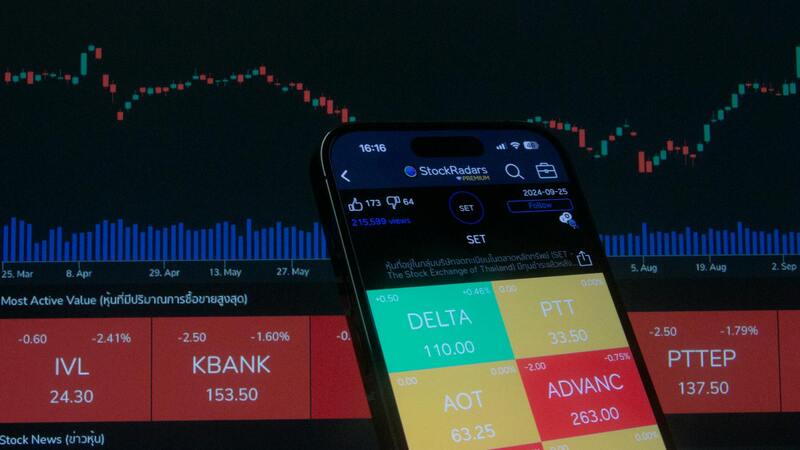
Establishing a reliable and efficient trading infrastructure is a critical component in launching a successful forex prop firm. This involves selecting powerful and stable hardware, robust trading platforms, and secure network solutions that ensure smooth operations and minimal downtime. Key considerations include choosing a technology stack that supports high-frequency trading, automated order execution, and real-time data analysis. This setup must be scalable to accommodate growing trading volumes and adaptable to emerging technological advances in the trading industry.
Trading Platform Selection
The choice of trading platform plays a fundamental role in your firm’s workflow. A reputable platform should offer a user-friendly interface, extensive analytical tools, customizable features, and compatibility with various trading strategies. Compatibility with automated trading scripts, APIs, and integration with data feeds is essential for traders executing algorithm-driven strategies. Additionally, the platform must provide real-time execution and low latency to capitalize on fleeting market opportunities.
Data Feed and Technology Integration
High-quality, real-time data feeds are indispensable for making informed trading decisions. Integrating multiple data sources can enhance predictive capabilities and enable sophisticated analysis. Moreover, connecting your trading platform with risk management systems and back-office functions ensures seamless operations, compliance adherence, and comprehensive oversight.
Secure Network Infrastructure
Security measures are paramount in safeguarding sensitive trading data and client information. Implementing firewalls, encryption protocols, and multi-factor authentication reduces vulnerabilities. Ensuring continuous network monitoring and regular security audits helps in promptly identifying and mitigating potential threats, thereby maintaining trust and integrity within your trading environment.
Hardware and Server Setup
Investing in dedicated servers, possibly located in data centers with optimal connectivity, minimizes latency and enhances execution speed. Redundant hardware configurations ensure operational continuity even in the event of hardware failure. Proper hardware management, routine maintenance, and updates are critical to sustain peak performance and reduce the risk of technical disruptions.

Implementing Disaster Recovery and Business Continuity Plans
Preparedness for unforeseen events, such as system outages or cybersecurity incidents, is essential. Establishing comprehensive disaster recovery protocols and backup solutions safeguards your firm’s operational resilience. Regular testing of these procedures ensures quick recovery and minimal impact on trading activities, reinforcing the stability of your operations.
Understanding Forex Prop Firms
Starting a forex proprietary trading (prop) firm involves establishing a company that provides traders with trading capital to generate profits under a shared risk and reward structure. These firms operate by funding skilled traders, often through performance-based incentives, to optimize the use of capital and maximize returns. When taking the steps to launch such an enterprise, it is essential to focus on authentic methods that adhere to industry standards and best practices. This includes thorough business planning, robust infrastructure, comprehensive risk management, and transparent profit-sharing agreements.
Establishing a Strong Foundation for Your Prop Firm
Before operational activities commence, it is crucial to develop a detailed business plan that clearly defines your vision, target market, operational processes, and financial projections. This plan should incorporate how you will attract qualified traders and sustain profitability over time. Legal establishment involves registering your business under appropriate legal entities, obtaining necessary licenses or certifications, and ensuring compliance with industry standards. Structuring your company appropriately also involves setting up a governance framework, defining roles and responsibilities, and establishing internal policies to promote operational integrity.
Utilizing official channels and established financial and legal consultants guarantees credibility and adherence to professional standards. Such guidance ensures your prop firm complies with applicable regulations, minimizes unnecessary risks, and fosters trust with stakeholders and traders alike.
Creating Transparent Profit-Sharing and Incentive Structures
A vital aspect of running a forex prop firm is designing fair and motivating profit-sharing policies. Typically, profits are split between the firm and traders based on predetermined arrangements. Clear guidelines regarding profit splits, thresholds for performance bonuses, and performance-based incentives are essential for retaining high-caliber traders and promoting continued engagement.
- Profit Splits: Establish a transparent percentage distribution that rewards traders for their performance while ensuring the profitability of the firm.
- Performance Bonuses: Implement incentive programs linked to exceeding benchmarks or achieving specific trading milestones, encouraging traders to optimize their strategies.
- Compliance with Internal Policies: Adhere to documented guidelines to prevent conflicts of interest and maintain fairness across all trading activities.
Implementing Robust Risk Management Protocols
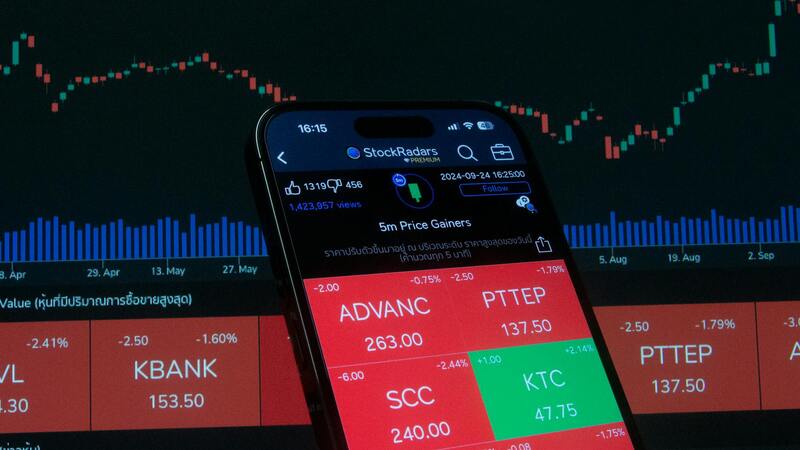
Effective risk management is fundamental to safeguarding your firm’s assets and ensuring consistent profitability. This involves setting strict trading limits, monitoring real-time trader activity, and employing advanced risk assessment tools. Properly established stop-loss policies, margin requirements, and daily reporting mechanisms prevent excessive losses and promote responsible trading practices.
Additionally, ongoing compliance monitoring and conducting periodic audits of trading activity help identify potential issues early. Utilizing official risk management software solutions can facilitate real-time oversight and ensure procedures are adhered to by all traders.
Prioritizing Compliance and Legal Integrity
Maintaining compliance with industry regulations and ethical standards is essential for the sustainable operation of your forex prop firm. Establish comprehensive policies regarding trader onboarding, trading activity review, and disclosure requirements. Engaging with legal professionals to draft and review all contractual agreements enhances transparency and prevents future disputes.
Furthermore, establishing a culture of compliance and training your team on best practices reduces the risk of regulatory infringements. Keeping detailed records of all transactions, communications, and compliance checks is also vital for audits and oversight purposes.
Final Steps for Launching Your Forex Prop Firm
Establishing a profitable and compliant forex prop trading firm requires meticulous planning, strategic execution, and ongoing management. After setting up your operational infrastructure, recruiting qualified traders, and implementing risk controls, the focus shifts to ensuring sustainable growth and operational efficiency through proven, legitimate methods.
Implementing a Strong Compliance and Auditing System
One of the most critical aspects of managing a successful forex prop firm is maintaining rigorous oversight of trading operations. This includes establishing comprehensive compliance protocols aligned with industry standards and regulatory expectations. Regular internal audits should be conducted to verify adherence to trading policies, risk limits, and client or trader onboarding procedures.
Automated compliance tools can streamline the monitoring process. These software solutions help track trading patterns, alert management to irregular activity, and generate reports necessary for transparency and accountability. Maintaining detailed records of all transactions, trader activity logs, and communication archives is essential for resolving disputes and ensuring ongoing compliance.
Developing a Sustainable Profit-Sharing Model
Successful earth-shattering profit-sharing models incentivize traders while protecting your firm’s margins. Clear and transparent profit distribution agreements motivate traders to perform optimally, fostering a culture of accountability and drive. Structuring profit splits based on performance thresholds, risk adjustments, or tiered incentives aligns trader efforts with firm profitability.
- Regularly review and adjust profit splits to remain competitive and motivating.
- Ensure all profit-sharing parameters are clearly stipulated in trader agreements.
- Implement performance benchmarks and evaluation periods to assess trader contribution effectively.
Additionally, establishing minimum trading standards, such as consistency in trade size and frequency, helps ensure traders are committed to sustainable trading practices. These measures collectively foster a transparent and motivating environment for traders.
Continuous Education and Trader Development
Part of maintaining a competitive forex prop firm is investing in ongoing trader education. Providing access to the latest trading tools, market analysis resources, and training on risk management procedures enhances trader skill levels. Organized webinars, mentorship programs, and performance reviews help traders adapt to evolving market conditions and improve their decision-making capabilities.

This focus on development not only improves individual trader results but also contributes positively to your firm's overall reputation and stability. Creating a community of skilled, disciplined traders is essential for long-term success and profitability.
Expanding Business Strategies and Scaling Operations
Once your foundation is robust and your forex prop firm stabilizes, it is time to explore avenues for growth. This can include diversifying trading strategies, expanding into new markets, or increasing your trader network geographically. Scaling operations requires additional capital planning, technology investments, and rigorous management oversight.
Implementing advanced trading software, such as proprietary platforms or licensed solutions, can facilitate management of increased trading volume and trader numbers. Strategic marketing efforts aimed at attracting diverse and skilled traders also support growth ambitions.
By maintaining a focus on compliance, risk management, and trader development, your forex prop firm can evolve into a resilient, high-performing enterprise. Continuous innovation, coupled with disciplined operational procedures, ensures sustained profitability and industry relevance.
