
Understanding Prop Trading in the Futures Market
Proprietary trading, commonly known as prop trading, involves trading financial instruments using a firm's own capital rather than client funds. In the context of the futures market, this practice centers on traders utilizing specialized accounts provided by intermediaries—futures prop firms—to engage in high-volume trading activities. The goal is to generate profits for both the firm and the trader through strategic market positions and refined risk management techniques.
Futures trading itself is a form of derivative investing where traders buy and sell contracts that obligate the purchase or sale of an underlying asset at a predetermined price and date. Unlike traditional trading, futures involve leveraged positions, which can amplify gains but also increase exposed risks. This intrinsic leverage makes futures trading particularly attractive for prop traders who aim to maximize returns using the firm's capital.
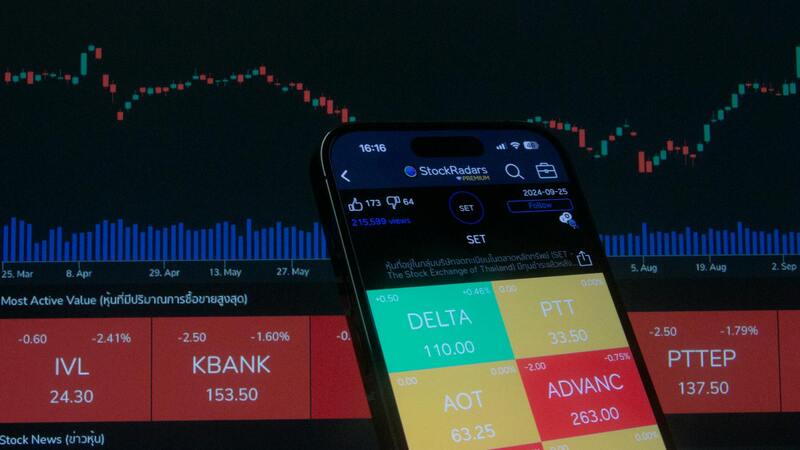
Within a futures prop trading setup, traders don’t need to provide their own capital; instead, they operate via accounts established and funded by the prop firm. The firm provides the infrastructure, tools, and capital necessary to execute trades across various futures markets, such as commodities, indices, currencies, or energy. The trader’s role is to leverage their market expertise to develop profitable strategies, adhering to the risk management guidelines set by the firm.
One of the distinctive aspects of futures prop trading is the emphasis on performance-based evaluation. Traders are typically assessed based on their ability to generate consistent returns while maintaining risk exposure within acceptable limits. This performance-driven model aligns the interests of the trader and the firm, as successful traders are often rewarded with higher account limits, profit-sharing arrangements, and even pathways to more significant trading opportunities.
How Prop Trading Differs from Other Trading Approaches
- Capital Access: Prop traders utilize the firm's capital rather than their own, allowing engagement in larger and more diverse markets.
- Training and Infrastructure: Many prop firms provide comprehensive training programs, premium trading platforms, and data analytics tools to traders.
- Profit Sharing: Profits generated from trading are typically split with the firm according to agreed-upon terms, providing incentives for traders to excel.
- Risk Management: Strict adherence to risk limits and trading rules is essential, often enforced through automated monitoring systems.
Understanding the foundational concepts of futures prop trading sets the stage for traders interested in entering this competitive and rewarding landscape. With proper knowledge, skill, and adherence to best practices, prospective traders can leverage prop trading to enhance their trading careers significantly.
Understanding Prop Trading in the Futures Market
Prop trading, short for proprietary trading, involves traders utilizing a firm's capital to execute trades across various markets, with a primary focus on futures trading. This model enables traders to leverage substantial leverage, access diverse trading instruments, and benefit from the firm's infrastructure and resources, rather than risking their personal funds. A deep understanding of how prop trading operates within the futures sector reveals the importance of strategic planning, disciplined risk control, and adherence to firm policies to succeed.
Core Components of Futures Prop Trading
- Capital Utilization: Traders operate using the firm's financial resources, allowing for larger position sizes and diversified trades without personal capital constraints.
- Performance-Based Evaluation: Traders are judged based on their ability to generate consistent positive returns while adhering to strict risk management protocols.
- Advanced Infrastructure: Proprietary firms often equip traders with state-of-the-art trading platforms, real-time data analytics, and comprehensive support systems to optimize decision-making.
- Profit Sharing and Incentives: Earnings from successful trades are typically divided between the firm and the trader, often rewarding top performers with higher profit shares and account sizes.
- Risk Control: Automated monitoring tools and predefined trading limits ensure that traders maintain exposure within acceptable parameters, protecting both the trader and the firm from undue risk.
Key Traits for Success in Futures Prop Trading
- Discipline: Consistently following trading plans and risk management guidelines helps maintain stability and long-term profitability.
- Technical Skills: Proficiency with trading platforms and analytical tools is crucial for identifying high-probability trade setups.
- Emotional Control: Managing stress and maintaining objectivity prevents impulsive decisions that can lead to losses.
- Continuous Learning: Staying updated on market trends, economic indicators, and trading strategies enhances adaptability and performance.
The Role of Regulatory Compliance and Licensing
While engaging in futures prop trading, traders often need to meet specific regulatory standards and licensing requirements, depending on the jurisdiction and firm policies. Such measures ensure transparent trading practices and adherence to industry standards. Many proprietary firms assist traders through onboarding processes that include completing necessary registrations, understanding compliance procedures, and establishing a clear trading plan.

Advantages of Adopting a Performance-Driven Approach in Prop Trading
A performance-focused structure encourages traders to develop disciplined trading habits, refine their strategies continually, and stay within risk parameters. This environment fosters professional growth and offers the motivation to excel through financial incentives and career advancement opportunities. By working within the framework of targets and risk limits, traders can build a sustainable and profitable trading career in the futures markets.
To thrive in this environment, traders should prioritize developing a comprehensive understanding of market mechanics, maintaining rigorous discipline, and leveraging the firm's resources effectively. Consistent evaluation against performance benchmarks helps traders identify strengths and areas for improvement, ultimately leading to enhanced skillsets and trading outcomes.
Steps to Begin Prop Trading in the Futures Market
Embarking on a prop trading journey within the futures market involves a systematic approach that emphasizes education, skill development, and adherence to industry standards. The initial step is to gain a comprehensive understanding of futures contracts, market dynamics, and trading principles. Prospective traders should invest in specialized training or courses offered by reputable trading educational platforms, which cover technical analysis, market fundamentals, and trading psychology.

Once foundational knowledge is established, the next phase involves familiarizing oneself with the specific requirements of the chosen futures prop trading firm. This includes understanding account types, eligibility criteria, and the firm's trading protocols. Many firms provide simulation accounts or demo trading environments that allow traders to practice without risking real capital. Utilizing these platforms is critical to developing confidence and refining trading strategies in a risk-free setting.
Developing a Trading Plan Aligned with Industry Standards
Creating a detailed trading plan tailored to the futures markets is essential. This plan should encompass clear entry and exit rules, risk management parameters, and performance goals. Adherence to disciplined trade execution is paramount, as it ensures consistency and minimizes emotional decision-making. Traders must also incorporate robust risk management techniques, such as setting stop-loss orders and position sizing rules, to protect capital during volatile market conditions.
Meeting Regulatory and Firm-Specific Requirements
Formal registration and compliance procedures are integral to starting in prop trading. Traders often need to complete certain documentation, verify their identity, and demonstrate a clear understanding of trading responsibilities. Some firms may require passing an assessment or interview to gauge a trader’s skill level and readiness. Successful completion of these steps authorizes entry into the trading program and grants access to firm resources, including proprietary trading software and mentorship opportunities.
Engaging with Official Training and Certification Programs
Participation in certified training programs or industry-recognized courses enhances credibility and skillsets. These programs often include rigorous testing and practical evaluations that prepare traders for the realities of futures trading. Additionally, some firms provide ongoing education and workshops, which support continual improvement and staying updated on market developments.
Utilizing Requisite Trading Tools and Software
Equipping oneself with reliable trading platforms, charting tools, and market analysis software is vital for operational efficiency. Many prop firms supply proprietary software tailored to their trading environment, but traders should also be proficient in industry-standard tools. Mastery of these resources enables timely decision-making and enhances overall trading performance.
Preparing for Continuous Performance Evaluation
Establishing benchmarks and tracking performance metrics from the outset helps traders identify their strengths and areas that require improvement. Consistent recording of trading results facilitates objective review sessions, guiding adjustments to strategies and risk management practices. Maintaining a disciplined approach, coupled with ongoing education, fosters an environment conducive to sustainable growth in the futures trading landscape.
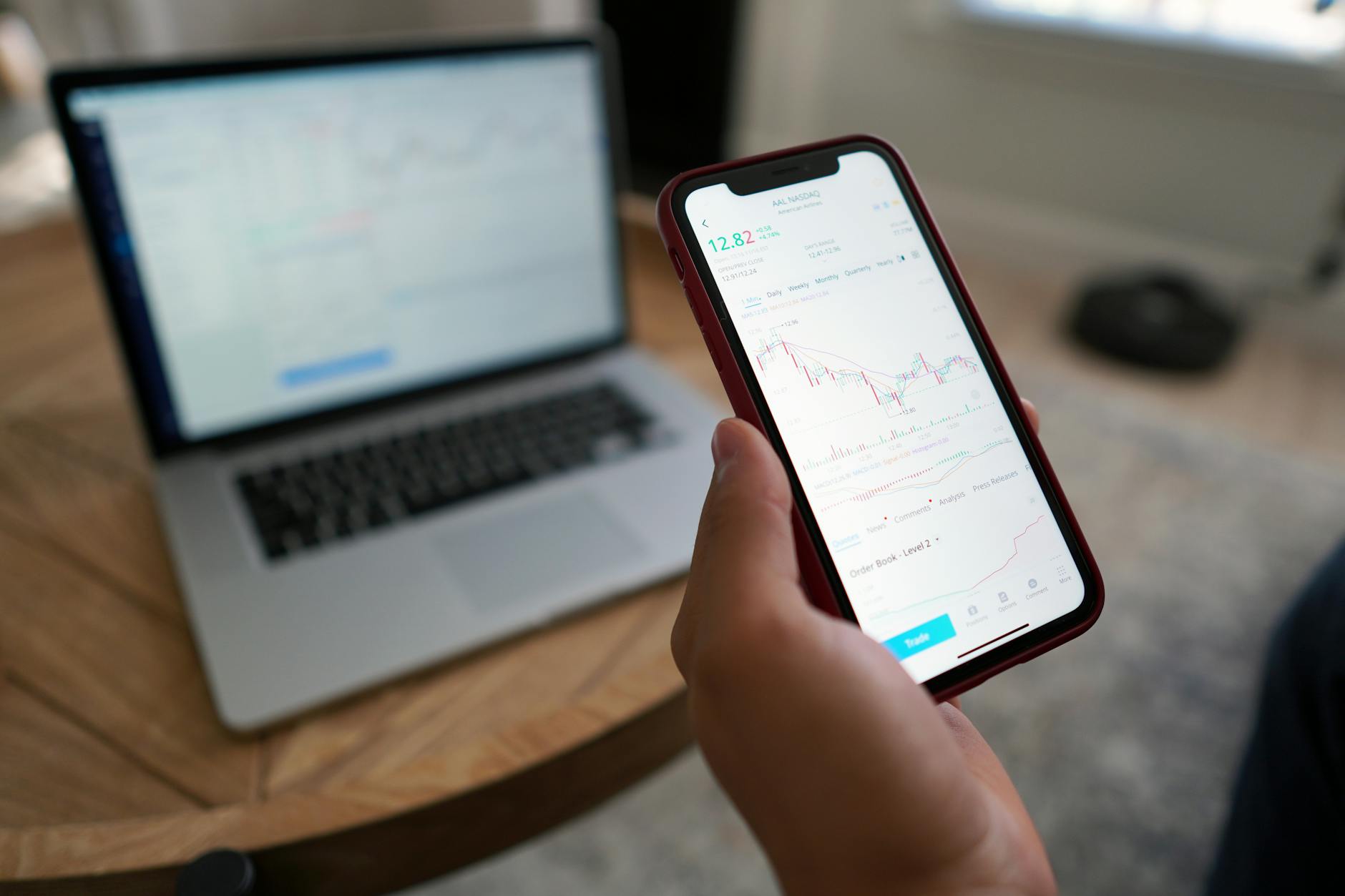
Comprehensive Evaluation of Prop Trading Options in the Futures Sector
Choosing the right futures prop trading firm is a crucial step in establishing a successful trading career. It is essential to focus on firms that offer transparent operational procedures, robust training programs, and clear performance assessment criteria. Prospective traders should scrutinize the firm’s trading environment, including the trading platforms and risk management tools provided. These elements significantly influence a trader's ability to execute strategies effectively and adapt to various market conditions.
Evaluating the firm's reputation within the industry offers valuable insights. This involves reviewing testimonials from current and former traders, analyzing the firm's track record of success, and ensuring that the firm's communication channels are responsive and professional. Additionally, understanding the firm's profit-sharing models and fee structures helps traders make informed decisions that align with their financial goals.

When assessing potential firms, traders should prioritize those that provide comprehensive onboarding processes, including detailed account setup procedures, clear guidelines on trading parameters, and ongoing support. Access to a community of experienced traders, whether through forums, mentorship, or live training sessions, can considerably elevate a trader’s learning curve. Furthermore, compatibility with the firm's trading software and the firm's emphasis on rigorous risk management protocols contribute to sustainable trading success.
Engaging with Proper Licensing and Implementation of Best Practices
Commencing prop trading involves more than just opening an account; it requires a structured approach that incorporates proven methods and adherence to industry standards. Traders are advised to utilize official training certifications and adhere to established trading protocols. This not only enhances individual competence but also aligns with best practices in the field, ultimately reducing exposure to unnecessary risks.
Prospective traders should focus on developing a disciplined trading routine that includes thorough market analysis, detailed trade journaling, and regular performance reviews. Utilizing validated trading models and strategies ensures a systematic approach to the dynamic futures markets, allowing traders to adapt swiftly to market movements and optimize profitability.
Strategic Approach to Market Engagement and Skill Development
- Emphasize ongoing education through certified courses and industry-recognized programs to maintain a competitive edge.
- Implement a risk management framework that aligns with your trading style and the firm's policies, including stop-loss orders and position sizing strategies.
- Leverage advanced trading software to analyze market data, identify trade opportunities, and execute trades efficiently.
- Maintain a clear record of trading activities to identify patterns, strengths, and areas for improvement.
- Regularly review and adjust trading strategies based on performance metrics and evolving market conditions.
Choosing an official and systematic approach to prop trading not only mitigates potential pitfalls but also fosters a professional trading environment conducive to sustained growth. Success in futures trading hinges upon continuous learning, precise execution, and disciplined risk management—cornerstones that should be embedded within every trader’s operational framework.
Account Types and Requirements for Futures Prop Trading
Engaging in futures prop trading involves selecting the appropriate account type to align with your trading objectives and experience level. Typically, firms offer different account structures, each with distinct stipulations and prerequisites designed to accommodate a range of traders—from beginners to experienced professionals.
One common account type is the standard funded account, which provides traders with access to firm capital after fulfilling initial evaluation criteria. These criteria often include demonstrating proficiency through trading challenges or simulated trading assessments that evaluate consistency, risk management, and strategic execution. Successful completion of these evaluations grants traders the opportunity to operate under the firm's backing, thus leveraging larger capital pools than personal funds.
Another prevalent type is the segregated account structure, where traders are granted access to specific trading accounts that are monitored separately to ensure transparency and compliance with firm policies. This setup often involves more rigorous account verification procedures, including verification of trading history, financial background, and adherence to regulatory standards in the United States.
Firms also implement strict requirements concerning trading experience and knowledge, particularly around risk management principles. Applicants may need to demonstrate familiarity with margin calculations, position sizing, and trade execution protocols. Additionally, a clear understanding of market microstructure and analytical tools essential for futures trading enhances a trader’s suitability profile.
Moreover, firms often impose minimum trading thresholds, such as a set number of trades per month or profit benchmarks, to qualify for ongoing participation. Maintaining compliance with risk limits and adhering to trading disciplineare fundamental for sustaining an active trading status within these accounts. Traders are typically required to participate in ongoing training and performance evaluations to uphold standards and refine their skills continuously.
In some cases, accounts are structured with tiered access—offering different profit-sharing arrangements and capital allocations based on performance metrics. Traders must be prepared to meet these criteria by consistently demonstrating strategic competence and prudent risk management to qualify for higher account levels and increased capital allocation.
Preparing for Account Setup
- Complete initial educational modules to understand the firm's trading framework
- Pass relevant evaluations or trading challenges as defined by the firm
- Verify identity through documentation such as government-issued ID and proof of address
- Review and agree to the firm's compliance and trading policies
- Establish operational prerequisites, including having access to recommended trading platforms and software
Understanding these diverse account types and meeting their respective requirements is pivotal for traders aiming to transition smoothly into prop trading. A thorough preparation phase coupled with a solid grasp of the operational standards established by the firm significantly improves the chances of successful onboarding and enduring trading engagement.
Official Certifications and Compliance Certifications
Establishing credibility as a futures prop trader involves obtaining official certifications that demonstrate expertise and adherence to industry standards. These certifications often require passing rigorous exams focused on trading principles, risk management, and market analysis. Common credentials include the Certified Financial Technician (CFTe) and the Chartered Market Technician (CMT). Achieving such certifications showcases a trader’s commitment to professional growth and adherence to best practices.
Moreover, compliance with industry regulations and standards often entails participating in ongoing education and training programs. These programs are designed to keep traders updated on market developments, new trading tools, and regulatory requirements. Through the completion of accredited courses and examinations, traders develop a comprehensive understanding of market dynamics, which enhances their ability to execute responsible trading strategies.

Official Registration and Licensing Procedures
For traders aiming to start prop trading legitimately, completing official registration processes is essential. These procedures typically involve registering with the relevant market authorities or trading platforms and providing detailed personal and professional information. Registration ensures that traders are listed officially within trading networks, facilitating transparency and traceability of trading activities.
As part of licensing procedures, traders may need to submit documentation such as government-issued identification, proof of address, and credentials verifying their trading experience. Some firms require background checks and financial disclosures to assess suitability for trading with their capital. Following official registration and licensing, traders gain access to trading accounts managed under regulations that promote fair and responsible trading.

Adherence to Industry Best Practices
Consistently following established industry best practices ensures sustainable participation in prop trading. These practices encompass disciplined risk management, adherence to trading plans, and maintaining a high level of market analysis accuracy. Traders should employ proven strategies and avoid impulsive decisions driven by market emotions or rumors.
Keeping detailed trading records and performing regular performance reviews facilitate ongoing improvement and accountability. These records serve as documentation for performance metrics, compliance checks, and strategic adjustments. Implementing robust risk management protocols, such as stop-loss orders and position sizing, helps traders safeguard capital and maintain long-term profitability.
Understanding the Licensing and Compliance Process for Start Prop Trading in the Futures Market
Entering the world of futures prop trading necessitates a thorough understanding of the licensing and compliance procedures that underpin responsible trading activities. While the core of prop trading involves the strategic use of proprietary capital to generate profit, it is equally vital to operate within a well-regulated framework that ensures transparency, accountability, and adherence to industry standards.
To initiate a legitimate prop trading operation, traders must typically undergo a comprehensive registration process with designated regulatory bodies and provide detailed documentation to verify their identity and trading credentials. This process often includes submitting government-issued identification, proof of residence, and evidence of prior trading experience or professional credentials. Such requirements serve to establish the trader’s authenticity and readiness to undertake substantial financial responsibilities.
In addition to documentation, many firms conduct background checks and financial disclosures. These evaluations are designed to assess a trader’s financial stability and trading acumen, helping to ensure that they possess the appropriate skills and prudence needed for handling significant capital allocations. Traders may also need to demonstrate their understanding of risk management principles and trading strategies through assessments or interviews conducted by the prop firm.

Achieving official registration and licensing provides a framework that promotes fair and responsible trading practices, aligning traders with regulatory standards that safeguard market integrity. These standards are put in place to establish a level playing field and to prevent practices that could distort market operations or compromise trader funds.
Following the completion of the licensing process, traders gain access to trading accounts that are structured under strict compliance measures. These accounts typically come with specific trading conditions, risk management protocols, and reporting obligations, all designed to uphold a responsible trading environment. Continuous monitoring and periodic audits help ensure ongoing adherence to these protocols, fostering a marketplace characterized by transparency and trustworthiness.
Adherence to Industry Best Practices for Prop Trading
Consistently aligning trading activities with established industry standards and best practices is fundamental to maintaining sustainability and success within prop trading. This includes disciplined risk management, strict adherence to trading plans, and diligent market analysis. Utilizing proven trading strategies and avoiding impulsive or emotion-driven decisions are key components of a resilient trading approach.
Maintaining detailed records of trades, performance metrics, and compliance checks facilitates ongoing development and accountability. Such records serve as valuable tools for performance reviews, strategic adjustments, and demonstrating adherence to relevant regulations. Implementing robust risk mitigation measures—such as stop-loss orders, effective position sizing, and diversification—helps in protecting capital and ensuring long-term profitability in the highly volatile futures market.
The Path Forward: Ensuring Responsible and Compliant Prop Trading
Engaging in start prop trading in the futures market involves more than just capital and strategy; it requires a commitment to legal compliance and ethical trading standards. By carefully navigating the registration, documentation, and ongoing compliance processes, traders can establish a solid foundation for legitimate activities. Continuous education, adherence to best practices, and maintaining transparency are crucial elements underpinning a successful trading career within a regulated framework.
Detailed Steps for Starting Prop Trading: Official and Structured Methods
Developing a Comprehensive Trade Plan and Certification
One of the fundamental components of engaging in legitimate prop trading activities involves formulating a meticulous trade plan. This plan should encompass detailed risk management strategies, clear entry and exit criteria, and systematized evaluation metrics. Establishing such protocols demonstrates a trader’s preparedness and commitment to disciplined trading practices. Additionally, many reputable prop trading firms require applicants to complete official training or certification programs that validate their understanding of market mechanics, risk policies, and trading software. These programs often include assessments designed to ensure traders are well-equipped to adhere to the firm's standards and regulatory frameworks.

Verification Through Official Documentation and Background Checks
To proceed with start prop trading at recognized firms, submitting accurate and comprehensive documentation is critical. These include personal identification, proof of financial status, and trading experience records. Reputable firms conduct thorough background checks to verify the trader’s professional history and ensure compliance with regulatory standards. Such measures foster a transparent trading environment and help mitigate risks associated with fraud or misconduct. Traders should prepare to provide financial statements or references that demonstrate an understanding of trading capital management and adherence to compliance standards.
Engagement in Formal Onboarding Processes
Following successful verification, traders typically undergo an official onboarding process. This may involve initializing trading accounts through secure platforms, attending introductory training sessions provided by the prop firm, and signing detailed agreements that clearly delineate the obligations and expectations of both parties. These agreements often specify limits on leverage, authorized trading instruments, and reporting requirements. Engaging fully in these processes ensures the trader’s activities are aligned with the firm’s official policies and applicable regulations, establishing a foundation of legitimacy for ongoing trading activities.
Utilizing Regulated Platforms and Software
Start prop trading exclusively through officially sanctioned trading platforms endorsed by the firm. These platforms are equipped with advanced features for order execution, risk controls, and performance tracking. Access to such robust systems enhances transparency, accuracy, and efficiency in trading operations. Furthermore, using industry-standard software ensures that traders are operating within a controlled environment that complies with regulatory standards, fostering trust and integrity in each transaction performed.
Adhering to Continuous Compliance and Performance Monitoring
To maintain legitimate trading activities, continuous compliance with regulatory directives and internal risk policies is essential. Firms often implement performance monitoring tools that track trading behaviors, capital utilization, and adherence to predefined rules. Traders are expected to participate in periodic audits, submit performance reports, and update their documentation as part of ongoing compliance efforts. Such sustained oversight is integral to fostering a responsible trading environment, reinforcing transparency, and safeguarding the interests of all stakeholders involved.
Conclusion: Upholding Professional Standards in Prop Trading
Beginning a prop trading journey through structured, official methods ensures a sustainable and compliant trading career. It combines rigorous preparation, transparent verification processes, adherence to established protocols, and the use of approved technology—parameters that collectively reinforce the credibility of a trader’s activities within the financial markets. By following these proven procedures, aspiring traders can confidently pursue their objectives while maintaining the highest standards of integrity and professionalism in their trading endeavors.
