
Understanding Prop Trading and Futures Prop Firms
Proprietary trading, often referred to as prop trading, involves traders executing trades using a firm's capital rather than their personal funds. This approach allows traders to access larger market positions, leverage institutional resources, and potentially generate significant profits. Prop trading firms specializing in futures markets focus on commodities, indices, and other derivatives, providing traders with an environment tailored for high-frequency, strategic trading strategies.
Within the realm of futures prop firms, the primary goal is to identify talented traders and enable them to manage substantial trading accounts. These firms typically provide traders with capital, sophisticated trading platforms, and educational resources. In exchange, traders are expected to adhere to the firm's risk management protocols and trading guidelines, aiming for consistent profitability.
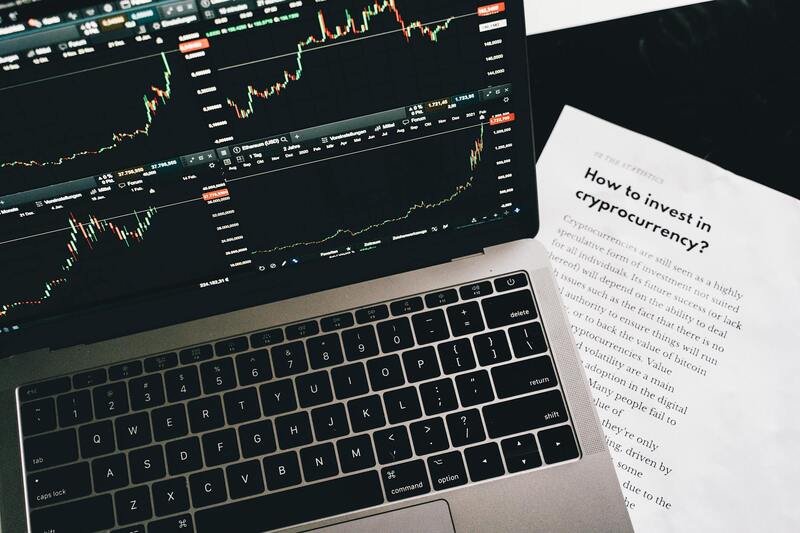
Key roles within a futures prop firm include experienced traders, risk managers, and support staff, each playing a vital part in maintaining trading operations. The core objective is to maximize profits while managing risk effectively, often involving rigorous evaluation processes to ensure traders meet performance standards.
The Dynamics of Futures Prop Trading
Futures trading involves contracts that obligate the buy and sell of underlying assets at predetermined prices within specified timeframes. Prop firms provide traders with the capital and tools necessary to capitalize on market movements, often using proprietary algorithms and advanced analytics to inform trading decisions.
Successful prop traders usually develop a deep understanding of market behaviors, technical analysis, and risk management techniques. They utilize real-time data, automated trading systems, and disciplined strategies to optimize their performance within a firm’s trading environment.

In summary, futures prop firms play a significant role in the trading industry by providing experienced traders with the resources to leverage market opportunities effectively. They operate within a structured framework that emphasizes risk control, strategic execution, and performance evaluation—elements that are essential for sustained success in proprietary trading.
Understanding Prop Trading and Futures Prop Firms
Prop trading, short for proprietary trading, involves traders using a firm’s capital to execute trades across various markets, including futures. Futures prop firms are institutions that facilitate this process by providing traders with access to significant trading capital, advanced technological platforms, and detailed risk management frameworks. These firms are structured to help skilled traders maximize their profit potential while maintaining strict adherence to risk control protocols.
A typical futures prop firm consists of several key roles: seasoned traders who execute trades based on strategic insights, risk managers who monitor exposure and ensure compliance with risk parameters, and operational staff who support technological and logistical aspects of trading activities. The collaboration among these roles creates an environment where professional trading can flourish, balanced by numerous evaluation processes designed to vet traders' resilience and skill levels.

Futures trading involves buying and selling contracts that commit traders to purchase or sell an underlying asset at a specified price and date. Prop firms empower traders by providing essential resources—such as trading capital, sophisticated analytical tools, and algorithmic trading systems—that enable them to capitalize on short-term market fluctuations. The reliance on proprietary technology and real-time data feeds assists traders in executing timely decisions based on market conditions.
Skillful traders in this domain often demonstrate comprehensive knowledge of market dynamics, technical analysis, and disciplined risk mitigation strategies. They leverage automated trading systems and disciplined trading routines to optimize their performance, always within the framework of the firm's risk management guidelines. This environment cultivates sustained profitability and encourages strategic adaptation to evolving market conditions.
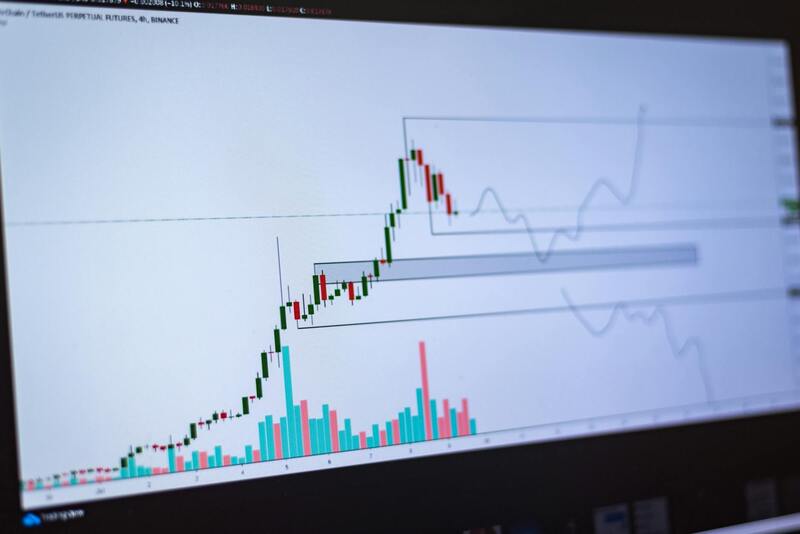
Futures markets offer diverse opportunities, including commodities, indices, currencies, and interest rates, each presenting unique trading patterns. Prop traders are equipped to exploit these opportunities, often engaging in high-frequency or algorithmic trading for smaller, rapid gains, or taking longer-term positions based on macroeconomic trends. The structured environment of futures prop firms helps traders navigate these complexities efficiently, making informed decisions through thorough analysis and disciplined risk controls.
By providing access to capital, technical expertise, and risk management frameworks, futures prop firms serve as incubators for professional traders aiming to develop sustainable trading careers. The combined focus on performance, strategy, and safety creates a resilient ecosystem conducive to long-term success in proprietary futures trading.
Understanding Prop Trading and Futures Prop Firms
Prop trading, short for proprietary trading, involves traders using a firm's capital to execute trades with the goal of generating profits that are shared between the trader and the firm. Futures prop firms specialize in enabling traders to access liquidity and markets across commodities, indices, currencies, and interest rates. These firms provide traders with essential resources such as advanced trading platforms, risk management guidelines, and dedicated capital, thereby removing the need for traders to risk their personal funds.
In a typical futures prop firm environment, traders operate within a structured framework that emphasizes strategic planning, disciplined risk management, and consistent performance. These firms often have rigorous selection processes to ensure that traders possess the necessary skills and mindset to succeed in high-stakes markets. Once accepted, traders engage in a variety of trading strategies designed to capitalize on market inefficiencies, macroeconomic shifts, and technical signals, all while adhering to predefined risk limits.

How Futures Prop Firms Operate
Futures prop firms typically operate by providing traders with a trading account funded with a set amount of capital. They often implement a structured evaluation process—such as trading challenges or demos—that traders must pass to demonstrate their skills. Successful traders are then granted live trading accounts, where they proceed to execute trades within the firm's risk parameters.
The firm's profit-sharing model incentivizes traders to maximize their performance while maintaining disciplined trading practices. Profits are usually split according to a predetermined percentage, rewarding traders for their skill and consistency. At the same time, the firm retains a portion of the gains, which helps sustain the operational costs and provides additional capital for further trading opportunities.
Advantages of Prop Trading in Futures Markets
This setup offers multiple advantages, including access to significant trading capital, professional trading tools, and risk management support. Traders benefit from a structured environment that promotes disciplined trading routines and provides opportunities for continuous skill development. The potential for scaling positions and increasing profitability is also facilitated by the availability of additional capital and resources provided by the firm.
Moreover, because futures markets are highly liquid with a wide array of trading instruments, traders can diversify their strategies across multiple asset classes. This diversification helps mitigate risks and enhances the potential for consistent returns.
Choosing the Right Futures Prop Trading Firm and Setting Up Your Account
Making an informed choice when selecting a futures prop trading firm is crucial for establishing a solid foundation in your trading career. Prospective traders should conduct thorough research into the firm’s offerings, reputation, and support systems to ensure alignment with their trading goals and style. Key considerations include the firm’s capital provisioning methods, trading platforms, risk management protocols, and profit-sharing arrangements.
Understanding different account structures is vital. Most firms offer variation in account types, such as evaluation accounts, live trading accounts, and sometimes, tiered systems that reflect a trader’s experience and proven track record. It is essential to choose an account type that matches your current skill level while providing room for growth. Proper account setup typically involves completing verification procedures, linking bank accounts for profit withdrawals, and agreeing on risk management and trading guidelines established by the firm.

Familiarity with the trading platform used by the firm can enhance your efficiency and execution speed. Many firms prefer popular trading software solutions that integrate risk control features and offer comprehensive analytical tools. Prior to trading live, new traders should spend ample time practicing on demo accounts or simulation platforms offered by the firm to familiarize themselves with the interface and trading mechanics.
Prop Trading Challenge Requirements
Most futures prop trading firms institute an evaluation process—often termed as a trading challenge—to assess a trader's capability to manage risk and generate consistent profits within specified guidelines. These challenges typically involve meeting predefined profit targets without exceeding maximum drawdown limits over a set period.
To succeed, traders must demonstrate disciplined trading strategies, maintain emotional control, and adhere stringently to risk management protocols. This process not only filters out traders who may lack the required skills but also cultivates a mindset geared towards responsible trading. Meeting these challenges grants access to the firm’s funded trading accounts, enabling traders to operate with real capital under real market conditions.
Strategies for Success in Prop Trading
Effective prop trading hinges on a blend of technical skills, market understanding, and disciplined routines. Developing a structured trading plan that encompasses clear entry and exit criteria, risk parameters, and adaptation strategies under changing market conditions is fundamental.
- Market Analysis: Regularly analyze chart formations, technical indicators, and news events to identify viable trade setups.
- Risk Management: Establish strict limits for losses each day or trade, utilizing stop-loss orders to protect capital.
- Trade Journaling: Maintain detailed records of trades to review performance, identify patterns, and refine strategies.
- Continuous Education: Stay updated on market developments, trading methodologies, and technological advancements to stay ahead.
Leveraging Resources and Discount Opportunities
Many prop trading firms and affiliated educational platforms offer valuable resources, including training modules, webinars, and market analysis tools. Traders should actively utilize these resources to enhance their skills and strategic insights.
Discounts on trading software, educational courses, and assessment challenges are often available through promotions, memberships, or package deals. Accessing these discounts can significantly reduce costs while providing high-quality tools essential for successful trading.

Scaling Up and Developing as a Prop Trader
As proficiency and confidence grow, traders should seek to expand their trading capacity within the firm. This involves increasing trade sizes within risk parameters, diversifying across multiple markets, and refining strategies based on performance analysis.
Building a reputation for consistency and responsible trading can open doors to higher funding levels and potentially larger profit splits. Establishing a routine of continuous learning and strategic adjustment ensures long-term growth and sustainability in the competitive environment of futures prop trading.
Prop Trading Challenge Requirements
To access proprietary trading funds, aspiring traders must successfully complete a structured challenge issued by a futures prop firm. These challenges serve as rigorous assessments of a trader’s skill, discipline, and consistency under real-market conditions. The typical challenge involves meeting specific performance targets within a defined timeframe, ensuring the trader demonstrates their ability to generate profits while maintaining strict risk controls.
One of the core components of a prop trading challenge is establishing clear performance metrics. These often include achieving a predetermined profit target, such as a specific dollar amount or percentage increase within a set period. Traders should formulate strategies that aim for steady growth rather than risky, aggressive plays, aligning with the challenge’s performance criteria.
Risk management is a fundamental aspect evaluation during the challenge. Most firms set maximum daily or total drawdown limits, which indicate how much loss a trader can sustain without disqualifying themselves. Adhering to these limits is crucial; traders must exercise discipline and avoid impulsive decisions that could jeopardize their challenge success. Firms also monitor consistency over time, valuing traders who can maintain steady performance rather than sporadic profit bursts.
The evaluation period varies but typically spans 10 to 30 trading days, providing enough data to assess a trader’s ability to handle different market conditions. During this time, traders should focus on maintaining diligent trade journaling, staying within risk parameters, and delivering consistent results. Successful completion of the challenge often results in an invitation to manage a funded account, where the trader can then execute larger positions more regularly.

Key Factors for Challenge Success
- Meeting or exceeding profit targets with steady, risk-adjusted performance
- Strict adherence to risk limits, including daily and cumulative drawdowns
- Maintaining discipline and emotional control under pressure
- Consistent trading patterns that demonstrate reliability over the evaluation period
Understanding these criteria and preparing accordingly can significantly improve the likelihood of successfully passing prop trading challenges, paving the way to managing larger accounts and scaling trading operations within a funded environment.
Understanding Prop Trading and Futures Prop Firms
Proprietary trading, commonly known as prop trading, involves professional traders using a firm's capital to execute trades across various financial markets, with the aim of generating profits for the firm. Futures prop firms specialize in training and supporting traders who focus on futures contracts, which encompass commodities, indices, currencies, and other derivatives. These firms provide traders with access to advanced technology, real-time data, and sometimes protective risk controls, allowing them to develop their trading skills in a structured environment.
Futures prop firms often operate under specific programs or challenges designed to evaluate a trader’s ability to handle real market conditions. These programs typically require traders to demonstrate consistency, sound risk management, and profitability over a designated evaluation period. Unlike trading with personal funds, prop trading offers the advantage of scaling potential; successful traders can transition to managing larger accounts and increasing their trading capital with the firm's backing.

Benefits of Starting Prop Trading in Futures Markets
Engaging in futures prop trading offers numerous advantages for aspiring traders. Among these benefits is the ability to access significant capital, which alleviates the common constraint of limited personal funds when trading large positions. This leverage allows traders to maximize their profit potential without risking their own savings, provided they adhere to strict risk management protocols.
Moreover, futures markets are characterized by high liquidity, facilitating smoother entry and exit points and reducing slippage. This liquidity is conducive to employing diverse trading strategies, from scalping to swing trading, enabling traders to adapt to various market conditions effectively.
Another key advantage is the educational and developmental support provided by reputable prop firms. These firms often offer comprehensive training programs, mentorship, and access to cutting-edge trading tools, which are instrumental in honing a trader's skills. Additionally, the structured evaluation process helps traders build discipline and consistency essential for long-term success in trading futures.
Prerequisites for Beginning Prop Trading
Getting started in futures prop trading requires a foundation of knowledge, discipline, and a strategic mindset. Potential traders should possess a solid understanding of financial markets, trading mechanics, and risk management principles. Familiarity with futures contracts, margin requirements, and market analysis techniques provides a crucial advantage during evaluations and ongoing trading.
Before initiating the application process, traders are advised to develop and test their trading plans. Consistent profitability in demo accounts or simulated trading environments indicates readiness to transition into real trading contexts. It is also essential for traders to cultivate emotional resilience, as futures trading can be volatile and impose psychological stress, especially during streaks of losses or gains.
Developing a disciplined routine for journaling trades, analyzing performance, and adhering strictly to predefined risk parameters sets the groundwork for successful prop trading. Many firms evaluate traders based on their technical skills, risk management discipline, and adaptability to varying market conditions, making comprehensive preparation critical.

Selecting a Futures Prop Firm and Account Setup
Choosing the right futures prop firm involves careful consideration of several factors. Traders should assess the firm’s reputation, profit-sharing structures, evaluation criteria, and the quality of trading platforms and data feeds. Transparency in how the firm manages risk, grants funding, and supports traders is also vital in making an informed decision.
Once a firm is selected, setting up an account entails completing their onboarding procedures, which often include submitting identification documents, completing initial assessments, and agreeing to eligibility requirements. After successful registration, traders typically proceed with a trading challenge, aimed at demonstrating their capabilities in a live or simulated environment.
The account setup process might also involve configuring trading platforms, setting risk management parameters, and understanding the firm’s specific trading policies. Developing familiarity with these tools and policies beforehand can facilitate a smoother transition into actual trading sessions, thus increasing the likelihood of passing initial evaluations and progressing to funded trader status.

Using Discounts and Resources
Many reputable futures prop firms recognize the importance of supporting traders at every stage of their journey. To attract talented traders and foster a thriving trading community, these firms offer various educational discounts, resource packages, and specialized support services.
Educational discounts often include reduced fees for proprietary training programs, webinars, and one-on-one coaching sessions. These resources provide traders with insights into advanced trading techniques, market analysis, and risk management strategies, thereby enhancing their skill set and confidence.
Access to comprehensive research tools and data feeds is another critical aspect provided by prop firms. Traders can benefit from real-time market data, historical analysis, and technical indicators, which are essential for making informed decisions. Some firms also offer subscriptions to premium research reports and economic calendars that keep traders updated on global financial events impacting futures markets.

Aside from these tools, many firms provide ongoing educational support, including access to trading communities, mentorship programs, and newsletters that highlight market trends and trading psychology tips. Such resources help traders develop disciplined trading habits and stay motivated during inevitable periods of drawdown.
Support services also encompass technical assistance with trading platforms, risk management policies, and compliance matters. Dedicated account managers are often available to address questions and facilitate smooth operation through the evaluation phases and beyond into funded trading.
In addition, some firms offer discounts on trading software licenses, platform upgrades, and temporary fee reductions during promotional periods or for new traders. Leveraging these resources effectively can considerably improve a trader’s proficiency and confidence, increasing the likelihood of passing evaluation benchmarks and achieving funded trader status.

Understanding Prop Trading and Futures Prop Firms
Prop trading, also known as proprietary trading, involves traders executing trades with the firm's capital rather than their personal funds. Futures prop firms are specialized entities that provide traders with access to futures markets, offering an environment where skilled traders can leverage significant capital pools. These firms typically implement structured evaluation processes and funding models to identify competent traders who can generate consistent profits while managing associated risk levels effectively.
Prerequisites for Beginning Prop Trading
To start prop trading in futures markets, prospective traders should possess a solid understanding of market mechanics and technical analysis. A track record demonstrating disciplined trading behavior and risk management is highly valued by reputable firms. Before engaging in formal evaluation phases, traders should develop a comprehensive trading plan that includes clearly defined risk parameters, profit targets, and strategies aligned with their trading style.
Having access to reliable trading platforms and market data is essential for consistent performance. Many traders also find it advantageous to participate in educational programs or mentorship initiatives to enhance their technical skills and market insight. Ensuring familiarity with the operational aspects of the trading platform and the firm's specific rules is crucial for avoiding costly mistakes during evaluation and funded phases.
Selecting a Futures Prop Firm and Account Setup
Choosing the right prop firm involves evaluating several factors, including the firm’s evaluation process, trading rules, capital allocation, profit split, and ongoing support services. Transparency regarding fees, drawdown limits, and payout policies should be thoroughly examined before committing.
Setting up an account typically involves completing an application process, submitting proof of trading experience, and passing the firm's evaluation challenges. Once approved, traders gain access to a virtual or live trading account with allocated capital, enabling them to execute trades within prescribed risk limits. Establishing a structured record-keeping system helps in monitoring performance, evaluating strategies, and ensuring compliance with firm policies.
Prop Trading Challenge Requirements
A typical evaluation process requires traders to execute a series of trading challenges designed to assess their ability to generate consistent profits while adhering to risk management protocols. Challenges usually comprise live trading sessions or simulated exercises where traders must manage defined rules related to maximum drawdowns, daily loss limits, and profit targets.
Success hinges on maintaining discipline, executing well-planned strategies, and managing emotions effectively under pressure. Traders should familiarize themselves with the specific criteria of each challenge and prepare by practicing relevant scenarios to improve their responsiveness and decision-making skills.
Strategies for Successful Prop Trading
Success in futures prop trading depends on a combination of technical proficiency, disciplined risk management, and psychological resilience. Effective traders develop and refine strategies based on market analysis that suits their trading style—whether it be trend following, mean reversion, or scalping.
- Risk Management: Employing strict stop-loss orders and position sizing to limit potential losses, thereby protecting capital and maintaining consistency.
- Trade Planning: Establishing entry and exit criteria based on technical signals and market structure to eliminate impulsive decisions.
- Performance Review: Regularly analyzing trading logs to identify strengths and weaknesses, adjusting strategies accordingly.
- Emotional Control: Practicing mindfulness and adopting routines that reduce stress, helping maintain focus during volatile market conditions.

Using Discounts and Resources
Legitimate prop trading firms often offer various resources to support traders' development. These may include discounted access to premium trading software, educational materials, and research reports. Many firms also provide subscriptions to economic calendars and market analysis tools that keep traders informed about upcoming financial events affecting futures markets.
Engaging with these resources allows traders to enhance their analytical capabilities and stay updated on market-moving events. Additionally, firms frequently host webinars, mentorship sessions, and community forums that foster continuous learning and peer collaboration. These offerings create an environment conducive to skill enhancement, strategic refinement, and psychological resilience, which are vital for long-term success in futures trading.
Timely utilization of discounts and educational resources can significantly reduce operational costs while accelerating skill development, ultimately leading to higher success rates during evaluation phases and beyond.
Scaling Up and Growing as a Prop Trader
Once a trader demonstrates consistent profitability within the firm’s parameters, opportunities for scaling become available. This typically involves increasing position sizes, gaining access to larger trading accounts, and participating in more advanced funding tiers.
Effective growth strategies include diversifying trading strategies to capitalize on different market conditions, maintaining rigorous risk controls, and continuously refining analytical techniques. Establishing a track record of disciplined performance not only earns the trader higher capital allocations but also positions them for potential partnership or ownership opportunities within the prop trading ecosystem.
Building relationships with firm management and fellow traders can provide valuable insights and mentorship, which are critical as traders expand their scope. Ultimately, disciplined portfolio management combined with ongoing education paves the way for a sustainable and prosperous career in futures prop trading.
