What is a Futures Prop Firm
A futures proprietary trading firm, commonly known as a futures prop firm, functions as a professional trading entity that allows selected traders to access its trading capital to execute futures contracts within defined parameters. Unlike traditional traders who utilize their own funds, traders associated with these firms trade using the firm’s capital, which provides leverage and resources that might otherwise be inaccessible. The primary objective of a futures prop firm is to generate profit from trading activities, while often providing traders with risk management tools, training, and a structured environment aimed at maximizing trading efficiency.
At its core, a futures prop firm acts as an intermediary between individual traders and the broader financial markets. These firms typically establish strict trading rules, offer evaluation periods to assess traders’ skills, and set profit-sharing arrangements. Through these mechanisms, they aim to identify and cultivate skilled traders, enabling them to grow their trading capacity while maintaining a controlled risk environment for the firm itself.

The main distinction between futures prop firms and other trading entities, such as hedge funds or asset managers, lies in their operational focus and structure. While hedge funds often manage pooled funds from multiple investors and follow broader investment strategies, futures prop firms primarily operate with internally provided capital dedicated solely to futures trading. Additionally, these firms usually implement evaluation methods to onboard traders, making their approach highly personnel-driven and performance-oriented.
In essence, a futures prop firm provides an environment where individual traders can leverage significant financial resources, structured risk controls, and strategic support to optimize their trading efficiency. This setup allows traders to focus on market analysis and execution without the burden of capital constraints, ultimately aiming to create a mutually profitable relationship between the trader and the firm.
Understanding the Core Mechanics of a Futures Prop Firm
Futures proprietary firms operate as specialized entities within the financial trading ecosystem, focusing solely on futures contracts. They serve as vital facilitators for talented traders seeking to maximize their trading potential without the constraints of personal capital limitations. These firms function by providing traders with a trading account funded by the firm, creating a platform where traders' skills are evaluated and developed in a controlled environment.

The primary objective of a futures prop firm is to identify high-performing traders and support their development while managing the firm's overall risk exposure. To achieve this, they typically implement structured evaluation periods known as trading assessments or challenges, during which traders demonstrate their ability to generate profits within predefined rules and risk parameters. Success in these evaluations can lead to an ongoing trading role within the firm, often with access to larger trading capital and profit-sharing arrangements.
Details of Capital Allocation and Trading Environment
- Futures prop firms allocate substantial capital to traders, enabling them to operate with leverage that far exceeds what individual traders could access independently.
- Traders are usually given access to proprietary trading platforms equipped with advanced tools for market analysis and execution.
- The trading environment enforces strict risk limits to mitigate potential losses, ensuring the sustainability of the firm's capital and the traders' development pathway.
Typical Evaluation and Onboarding Process
- Application and initial assessment to verify trading experience and skills.
- Participation in a simulated or live trading challenge adhering to specific rules and risk limits.
- Evaluation based on performance metrics such as consistency, drawdown control, and profitability.
- Successful traders receive an official account and are integrated into the firm's trading team, often with ongoing mentorship and strategic guidance.
Trade Strategy Support and Performance Metrics
Futures prop firms often provide traders with strategic frameworks rooted in technical and fundamental analysis. Key performance metrics monitored include risk-adjusted returns, consistency in profits, adherence to risk management protocols, and trading discipline. These parameters ensure that only disciplined traders advance and sustain their trading careers within the firm.
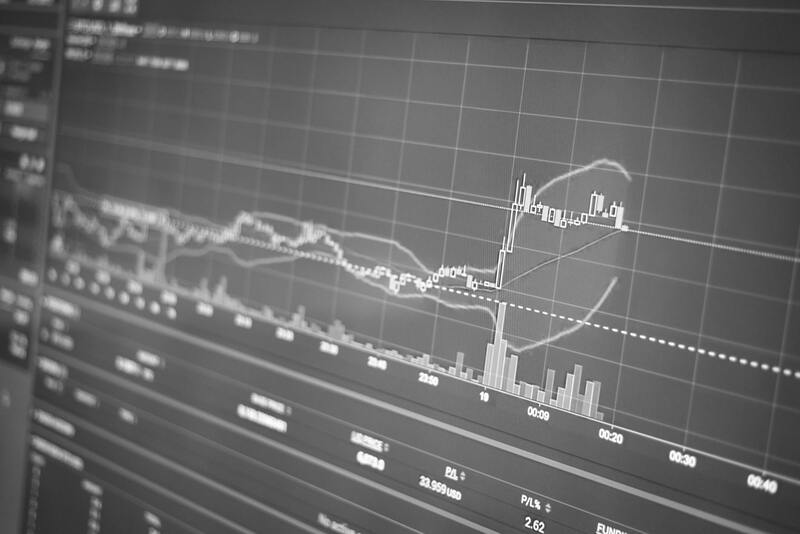
By fostering an environment grounded in performance evaluation and rigorous risk management, futures prop firms enable traders to refine their skills, scale their trading efforts, and contribute to the firm's overall profitability—all within a framework that emphasizes transparency and structured growth. This model creates a symbiotic relationship that benefits both parties by blending individual talent with institutional support to navigate the complex futures markets effectively.
Account Setup and Requirements
Opening an account with a futures prop firm entails adherence to predefined criteria designed to ensure that traders are prepared to operate within the firm’s risk management standards. Typically, traders must demonstrate a solid track record of trading discipline, including consistency, risk control, and profitability. Many firms require applicants to complete an application form providing detailed trading history, strategies, and sometimes a personal interview or assessment to validate their experience level.
In terms of documentation, traders are generally asked to submit proof of identity and proof of address to comply with regulatory standards. Additionally, some firms may require traders to sign non-disclosure agreements (NDAs) to protect proprietary strategies and processes. They also specify the trading account structure, including the initial capital allocation, leverage limits, and the acceptable trading instruments, primarily focusing on futures contracts.
Funding is often structured as a risk capital allocation rather than a traditional deposit. Traders are granted a trading account that reflects the firm's investment in their skills and strategies. The initial threshold for opening such an account varies widely among firms but usually includes meeting minimum experience levels and passing an evaluation phase.

Once the prerequisites are satisfied, traders typically undergo an onboarding process led by firm specialists who explain trading protocols, risk management rules, and performance expectations. This onboarding ensures alignment on operational standards and fosters a clear understanding of ongoing compliance requirements.
Trading Activities and Strategies
After account setup, traders engage in a variety of activities aimed at maximizing their trading efficiency within the firm's framework. Commonly, futures prop firms emphasize disciplined trading strategies based on comprehensive technical analysis, fundamental analysis, or a blend of both. These strategies may include momentum trading, spread trading, scalping, or longer-term trend following, depending on the firm's focus.
Traders are encouraged to develop personalized trading plans that adhere to risk management protocols while exploiting identified market opportunities. The firm often provides educational resources, trading journals, and mentorship to support strategic development. Ongoing performance review helps traders refine their techniques, improve risk controls, and adapt to market dynamics.

Success in the trading environment depends heavily on disciplined execution, strict adherence to risk limits, and continuous strategy optimization. Many firms utilize proprietary trading platforms that offer analytics tools, real-time data, and automated alerts to assist traders in executing well-informed trades aligned with their strategies.
Challenges and Challenge Requirements
In order to qualify for a funded trading account, traders typically must pass a series of skill assessments known as trading challenges. These challenges are designed to test their ability to trade within specific risk parameters, maintain consistency, and achieve targeted profit objectives over a set period or trading days.
Common challenge requirements include:
- Achievement of a predefined profit target without exceeding maximum drawdown limits.
- Maintaining trading discipline by adhering to set rules for position sizing, stop-loss orders, and risk-to-reward ratios.
- Execution of trades that demonstrate strategic soundness, such as proper entry and exit points based on technical signals.
- Managing trades under various market conditions, including volatile periods, which tests adaptability and resilience.
Failure to meet these requirements may result in the need to retake the challenge or undergo additional training, emphasizing the importance of consistent, disciplined trading practices from the outset.
Advantages of Trading with a Futures Prop Firm
Partnering with a futures prop firm offers several benefits that can accelerate a trader's career trajectory. Notably, traders gain immediate access to professional trading infrastructure, including high-speed brokerages, real-time data feeds, and advanced analytical tools that are often prohibitively expensive for individual traders.
Another significant advantage is the exposure to a structured environment conducive to learning and mentorship. Many firms assign experienced traders or managers as mentors, providing strategic guidance and risk management insights that help traders refine their skills and reduce the learning curve.
Using the firm's capital effectively allows traders to scale their trading activities beyond personal resources, harnessing leverage within predetermined risk limits. This arrangement enables higher potential returns while maintaining risk control protocols, creating a balanced environment for growth.

Furthermore, many prop firms promote transparency by providing detailed performance metrics, allowing traders to evaluate their progress continuously. The collaborative environment fosters knowledge sharing, risk awareness, and strategic development, which can significantly impact long-term profitability and professional growth.
Understanding the Trading Infrastructure of Futures Prop Firms
Futures proprietary trading firms invest heavily in their technology stacks to ensure traders operate within a seamless, efficient, and secure environment. Their infrastructure typically includes high-powered trading platforms that support advanced order types, real-time data analytics, and rapid execution capabilities essential for trading in highly volatile futures markets. These systems are often equipped with cloud-based servers or co-located data centers near major exchange nodes, minimizing latency and enhancing trade execution speed. Additionally, proprietary algorithms and automated trading systems are integrated into the firm's infrastructure, allowing traders to implement algorithmic strategies or benefit from automated trade execution. Access to high-quality market data feeds is another fundamental aspect, providing traders with up-to-the-millisecond information necessary for precise decision-making. Futures prop firms also prioritize data security and cybersecurity measures to protect sensitive trading information and maintain continuous operational availability, which is vital for high-frequency or scalping strategies where timing can significantly influence profitability.

Operational Support and Mentorship Programs
Many futures prop firms emphasize comprehensive support systems to foster trader growth and operational efficiency. This includes dedicated account managers who assist with technical issues, trading strategy refinement, and performance analysis. Some firms incorporate mentorship programs, pairing novice traders with experienced mentors who provide insights into risk management, market analysis, and disciplined trading practices. The support network extends to regular training sessions, webinars, and market updates designed to keep traders informed about industry trends and regulatory changes. This structured approach ensures that traders not only have access to cutting-edge technology but also receive ongoing professional development to enhance their skills and adaptability in diverse market conditions.
Trade Risk Management and Compliance Measures
Effective risk management is at the core of futures prop trading operations. Firms implement strict compliance protocols to ensure trades adhere to predefined risk parameters. These include setting daily loss limits, position size restrictions, and automated trade halts if certain thresholds are breached. Advanced risk management software is often integrated directly into trading platforms, providing real-time alerts and preventing over-leverage or excessive exposure. Furthermore, firms monitor trader activity continuously to ensure adherence to trading rules and to identify any patterns that may suggest risky behavior. This vigilant oversight not only helps protect the firm's capital but also cultivates disciplined trading habits among its traders.

Account Setup and Requirements
Establishing an account with a futures prop firm involves a detailed application process designed to evaluate the trader’s skills, experience, and risk management capabilities. Prospective traders are typically required to complete an extensive registration, providing personal and financial information to verify identity and trading background. Many firms also mandate a test or evaluation phase, known as a trading challenge or assessment, to demonstrate proficiency in managing futures contracts within specified risk parameters.
Once accepted, traders usually need to sign a proprietary trading agreement that outlines the firm's policies, profit-sharing arrangements, and compliance expectations. A vital part of the setup involves depositing an initial capital contribution, which varies depending on the firm's structure and the trader’s chosen account size. Several firms offer different tiers or account types, allowing traders to start with smaller capital allocations for testing purposes or opt for larger, more flexible accounts as they demonstrate consistent performance.
Account requirements generally include maintaining a minimum trading activity level, adhering to risk limits, and submitting ongoing performance reports. Additionally, traders must familiarize themselves with the firm’s trading platform, risk management tools, and compliance procedures to ensure smooth operation within the firm’s regulatory framework.

Trading Activities and Strategies
Futures prop traders employ a diverse range of trading activities, tailored to the dynamic nature of futures markets. These activities include day trading, swing trading, and position trading, each requiring distinct strategies suited to short-term volatility or medium-term trend identification. Traders utilize technical analysis, fundamental analysis, or a combination of both to make informed decisions based on market patterns, economic indicators, and geopolitical developments.
Many futures prop firms promote disciplined trading strategies that emphasize risk control and consistent gains. Strategies such as breakout trading, trend following, and mean reversion are common, supported by sophisticated trading algorithms and analytics tools. Traders also develop tailored systems that incorporate multiple timeframes, scenario analysis, and automated order execution to optimize their responses to rapid market changes.
Risk management remains a central focus, with traders required to follow strict stop-loss protocols, position sizing rules, and daily loss limits. This structured approach helps prevent excessive drawdowns and enhances long-term profitability. Ongoing education is often part of a trader’s development, with firms offering regular training sessions, market webinars, and mentorship programs aimed at refining tactical skills and deepening understanding of complex futures markets.

Account Setup and Requirements
Establishing an account with a futures prop firm involves a detailed onboarding process designed to evaluate the trader's skills, risk management approach, and familiarity with futures markets. Prospective traders typically need to complete an application form that outlines their trading experience, strategies, and trading style. Many firms also require traders to pass a series of assessments or demos demonstrating their ability to execute trades within specified risk parameters.
Documentation is an essential component during account setup. Traders are usually required to submit identification documents, proof of address, and sometimes a detailed trading plan outlining how they intend to approach the futures markets. Certain firms might have minimum deposit requirements, which serve as initial capital for trading activities. However, the deposit is often leveraged, allowing traders to control significant trading positions with relatively modest capital.

Once the account and necessary documentation are verified, traders typically undergo an orientation process. This includes training on the firm’s trading platform, risk management protocols, and specific trading rules enforced by the firm. Many firms utilize proprietary trading software that monitors trading activity, enforces risk controls, and provides analytics tools to support trading decisions.
Adherence to the firm's trading policies is critical to maintain trading privileges. This includes following the prescribed trading hours, executing trades within the firm's strategic guidelines, and maintaining acceptable risk levels. Regular performance evaluations are common, ensuring traders remain aligned with the firm’s standards and goals.
Trading Activities and Strategies
Futures traders affiliated with prop firms engage in a variety of trading activities that leverage their market analysis skills and strategic planning. These activities encompass day trading, where trades are opened and closed within the same trading session; swing trading, which involves holding positions over several days to capitalize on expected market moves; and position trading, which is oriented towards medium- and long-term trend exploitation. Each approach requires differing analytical tools and risk assessments.
Strategies are tailored to exploit market inefficiencies or trends, often combining technical analysis with fundamental insights. Technical indicators such as moving averages, RSI, MACD, and volume analysis are extensively used to time entries and exits accurately. Fundamental factors, including economic reports, geopolitical developments, and macroeconomic indicators, can influence market momentum and inform strategic adjustments.
Most prop firms promote disciplined trading that prioritizes risk management and systematic decision-making. Common strategies include trend following, breakout trading, and mean reversion. Traders often use automated trading systems or algorithms provided by the firm to execute high-speed trades aligned with predefined parameters, ensuring consistency and minimizing emotional biases.
Supporting these trading activities is a suite of analytical tools and platforms. These tools facilitate scenario analysis, real-time market scanning, and automated order execution, which are vital for navigating the rapid fluctuations characteristic of futures markets.
Challenges and Challenge Requirements
Participation in a futures prop trading challenge is a key step in establishing a trading account. The challenge typically involves demonstrating the ability to meet specific profit targets within a defined risk framework over a set period. Challenge requirements are designed to evaluate consistency, risk control, and trading discipline.
During the challenge, traders must adhere to strict rules including maximum daily loss limits, overall drawdown constraints, and specific profit milestones. Failure to comply with these parameters often results in disqualification from the challenge or termination of trading privileges.
Maintaining discipline throughout the challenge is crucial. This involves managing position sizes rigorously, following pre-established trading plans, and employing effective stop-loss strategies to prevent substantial losses. Traders are monitored closely for adherence to firm policies through automated systems and performance reviews.
The challenge process serves not only as a selection mechanism but also as a training tool. Traders learn to operate within a structured risk environment and develop resilience in managing market volatility and emotional pressures. Successfully completing the challenge paves the way for trading with the firm's capital under live market conditions, often with access to larger leverage, enhanced resources, and ongoing support from the firm.
Understanding the Account Setup Process in Futures Prop Firms
Setting up an account with a futures proprietary trading firm involves multiple steps designed to ensure traders are well-prepared and aligned with the firm’s trading standards. The process typically begins with thorough documentation submission, including proof of identity, trading experience, and financial background. Many firms conduct background checks to verify the trader's credentials and trustworthiness.
Once the initial documentation is approved, traders are often required to complete an onboarding process that might include orientation sessions, training modules, or compliance briefings. This phase aims to familiarize traders with the firm’s operational policies, risk management protocols, and trading platform specifics.
In addition to documentation, traders might need to demonstrate their trading capabilities through a simulated account or a proven trading record. Some firms require passing a formal evaluation or challenge to prove proficiency before granting access to live capital. This evaluation assesses a trader’s ability to execute strategies effectively while controlling risk within predefined limits.

The platform setup is a critical part of the account creation process. Traders gain access to proprietary trading software or third-party platforms, with initial configuration guidance provided by the firm’s support team. Proper setup ensures traders can monitor markets efficiently, execute trades accurately, and adhere to the firm's risk parameters.
Trading Activities and Strategies in Futures Prop Firms
Futures prop traders employ a variety of strategies tailored to leverage the volatility and leverage inherent in futures markets. These strategies include scalping, momentum trading, spread trading, and trend following, among others. Each approach requires different skill sets and risk management techniques, making ongoing education and adaptation vital for sustained success.
During trading hours, traders must stick to the predefined trading plan established during the evaluation phase. Discipline in executing these plans helps maintain consistency and manage emotional responses to market fluctuations. Proper risk controls, including stop-loss orders and position sizing, are integral to avoiding large drawdowns that could jeopardize the trading account.
Many firms encourage traders to utilize advanced analytical tools, including technical indicators and algorithmic strategies, to identify high-probability setups. Continuous monitoring of market conditions, combined with disciplined execution, forms the foundation of long-term profitability within a futures prop trading environment.
Addressing Challenges and Meeting Challenge Requirements
One of the defining aspects of trading with a futures prop firm is the challenge requirement, which evaluates a trader’s ability to generate consistent profits within strict risk parameters. These challenges simulate real-market conditions, testing discipline, strategy robustness, and resilience under pressure.
To succeed, traders must meet various criteria, such as achieving specific profit targets, maintaining daily and overall drawdowns within limits, and demonstrating the ability to manage risk proactively. Failure to adhere to these parameters can result in disqualification from the challenge or a temporary suspension of trading privileges.
Overcoming these challenges requires a disciplined approach to trading, meticulous risk management, and continuous performance review. Many firms provide detailed performance reports and feedback, guiding traders to refine their strategies and improve their consistency. Successful completion not only grants access to live trading funds but also often includes ongoing mentorship, increased leverage, and other resources to foster growth in trading skills.

Advantages of Trading with a Futures Prop Firm
Trading with a futures prop firm offers several distinct benefits for traders seeking to expand their market exposure and capital resources. First, traders gain access to significant capital, allowing for larger position sizes and increased profit potential, which would be difficult to achieve independently without substantial personal capital.
Secondly, prop firms often provide sophisticated trading platforms, advanced analytical tools, and real-time market data, enhancing traders’ ability to execute and refine strategies effectively. These resources support traders in making informed decisions, reducing guesswork and improving overall performance.
Risk management and regulatory oversight are heavily emphasized within these firms, fostering a disciplined trading environment. This structure encourages traders to develop consistent trading habits, manage emotional responses, and adhere to strict risk controls, which are critical elements in the pursuit of sustainable profitability.
Moreover, traders benefit from ongoing training, mentorship, and community support. Many prop firms invest in educational programs that help traders understand market dynamics better, refine their strategies, and adapt to changing conditions. These developmental opportunities accelerate skill enhancement and provide a platform for continuous improvement.
Finally, successful traders often enjoy environmental stability and security, with some firms offering profit sharing or performance-based incentives. This alignment of interests motivates traders to perform at their best, knowing that their efforts are directly linked to their financial rewards within the framework established by the firm.
Challenges and Mitigation Strategies in Futures Prop Firm Trading
Trading under a futures prop firm environment introduces a unique set of challenges that require traders to develop and adhere to disciplined strategies. The volatility inherent in futures markets can lead to rapid gains, but equally significant losses if not managed effectively. Traders must focus on robust risk management practices, including setting strict stop-loss orders and defining clear position sizing protocols. These measures help control downside risk, prevent emotional trading decisions, and ensure consistency in account performance.
One common challenge is maintaining psychological resilience amidst market fluctuations. The pressure to meet profit targets while managing risk can induce stress and impulsive behaviors. Effective mental discipline, often supported by the firm’s training and mentorship programs, is crucial for sustaining long-term trading performance. Continuous education on market fundamentals and technical analysis further equips traders to interpret market signals accurately, reducing the likelihood of costly mistakes.

Adherence to Regulatory Standards and Ethical Trading Practices
Futures prop firms adhere to stringent regulatory standards to ensure ethical and transparent trading activities. Compliance with these standards involves thorough record-keeping, transparent reporting of trading results, and strict adherence to market integrity principles. Traders are also expected to operate within predefined trading limits and to avoid manipulative or disruptive trading behaviors.
The professional structure of futures prop firms emphasizes the importance of ethical conduct, which fosters a trustworthy environment for traders and the broader financial markets. It is essential for traders to familiarize themselves with the operational policies of their firm and maintain integrity in all trading activities. This commitment not only aligns with regulatory expectations but also supports the long-term success and reputation of individual traders within the organization.
Performance Evaluation and Growth Opportunities
Consistent performance is vital for career advancement within a futures prop firm. Traders are typically evaluated based on their ability to meet profitability targets, risk management standards, and adherence to firm policies. Regular performance reviews enable traders to identify areas for improvement and implement strategies to enhance their skills and results.
Many prop firms offer structured growth pathways, including tiered memberships or advanced trading roles, based on demonstrated expertise and reliability. Traders who excel at managing risk and generating sustainable profits may receive additional resources, larger account allocations, or involvement in proprietary trading initiatives. Such opportunities facilitate continuous professional development and contribute to higher earning potential.
Technology and Infrastructure Support
Cutting-edge trading technology plays a pivotal role in the success of traders within futures prop firms. These firms invest in high-speed trading platforms, advanced analytical tools, and comprehensive market data feeds to empower traders with real-time information. Access to sophisticated software enables better timing, risk assessment, and strategy optimization.
Moreover, technical support teams provide ongoing assistance to ensure smooth platform operation, cybersecurity, and integration of new trading tools. Traders benefit from regular updates, training on new features, and technical troubleshooting, which collectively improve operational efficiency and trading accuracy.