
Overview of Futures Trading Prop Firms
Futures trading proprietary firms, commonly known as futures prop firms, play a significant role in the trading ecosystem by providing traders with the resources, infrastructure, and capital necessary to engage in futures markets. These firms operate as a bridge between individual traders and the broader financial markets, offering a platform to execute futures contracts on various asset classes, including commodities, indices, currencies, and interest rates.
Unlike individual traders who rely solely on personal funds, futures prop firms allocate substantial capital to their traders, allowing them to take larger positions and potentially generate higher returns. This structure fosters an environment where skilled traders can maximize profit opportunities while leveraging the firm’s financial backing. Typically, futures prop firms establish a structured environment that emphasizes risk management, disciplined trading, and consistent performance.

Within the US market, futures prop firms operate under strict regulatory and compliance standards, ensuring transparency and adherence to industry best practices. The primary goal of these firms is to identify talented traders, support their development, and share in the profits generated through disciplined market participation. As the futures market continues to expand, these firms serve as crucial catalysts in enabling traders to access sophisticated trading environments without the need for substantial personal capital investment.
How Futures Prop Firms Account Structures Work
Futures prop firms typically adopt distinct account structures designed to align the interests of the firm and the traders. These structures often include:
- Profit-Sharing Accounts: Traders share a pre-determined percentage of their profits with the firm, incentivizing consistent performance and disciplined trading.
- Scaled Funding Levels: Traders start with an initial trading account size, which can increase based on performance milestones, allowing for expanded trading capacity over time.
- Risk Management Protocols: The firm enforces strict risk limits, including daily drawdown and overall account drawdown limits, to mitigate potential losses and protect capital.
Each firm may customize these structures to suit their operational models, but the core principles aim to balance trader autonomy with protective measures that sustain long-term profitability for all parties involved.
Trading Activities and Strategies in Futures Prop Firms
Traders within futures prop firms employ a diverse set of trading activities and strategies tailored to market conditions and their expertise. Common approaches include:
- Trend Following: Capitalizing on established market directions by entering positions aligned with prevailing trends.
- Scalping: Executing rapid trades that aim to profit from small price movements within short timeframes.
- Swing Trading: Holding positions over several days or weeks to capture larger market swings.
- Algorithmic Trading: Utilizing automated systems and algorithms to identify and execute trades based on quantitative analysis.
Prop traders must adapt their strategies to dynamic market environments, efficiently managing risk while seeking consistent gains. The firm's infrastructure often includes advanced trading platforms, data analytics, and risk management tools to support these activities.
Entry Requirements and Challenges for Traders
Prospective traders aiming to join futures prop firms face specific prerequisites designed to assess their skills and suitability. These criteria may include:
- Demonstrated trading experience or proven trading track record
- Successful completion of trading assessments or evaluations
- Strong understanding of futures markets and risk management principles
- Metrics indicating disciplined and consistent trading behavior
Entry challenges often involve rigorous testing of trading capabilities and mental resilience, as trading futures involves significant financial risks. Overcoming these hurdles requires discipline, market knowledge, and the ability to adapt strategies to evolving conditions.
Advantages of Working with a Futures Prop Firm
Partnering with a futures prop firm offers several benefits for traders looking to scale their activities and access better resources. Key advantages include:
- Access to substantial trading capital beyond personal funds
- Professional trading infrastructure, including advanced platforms and analytical tools
- Structured risk management frameworks to protect capital and manage losses
- Mentorship and training programs that foster skill development
- Networking opportunities within a community of experienced traders

How Futures Prop Firms Account Structures Work
Futures prop firms typically operate with distinct account structures that enable traders to leverage both capital and resources efficiently. These structures are designed to balance risk management with trader profitability, fostering an environment where skilled traders can maximize their potential while safeguarding firm assets.
Funding options vary across firms, but most offer tiered accounts that correspond to different levels of trader experience and performance. Initial funding may be provided through evaluation phases, where traders demonstrate their ability to adhere to risk guidelines and generate consistent returns. Once a trader successfully completes this phase, they are allocated a trading account with a predefined capital base.
Profit sharing arrangements are central to these account structures. Typically, profit splits range from 50/50 to 70/30 in favor of the trader, depending on the firm’s policies and the trader’s track record. These arrangements incentivize disciplined trading whilst ensuring the firm maintains a healthy risk profile.

Most futures prop firms incorporate sophisticated risk management protocols within their account frameworks. These include daily loss limits, maximum drawdown caps, and trade size restrictions to prevent excessive risk exposure. Additionally, some firms utilize real-time monitoring systems to oversee trading activities and ensure compliance with established guidelines.
Account structures may also feature options for scaling—where traders who perform well are granted access to larger capital pools or additional trading privileges. This scalable model creates clear pathways for advancement based on demonstrated skill and consistent performance, aligning the interests of traders and the firm.
Furthermore, some firms offer flexible funding models such as pooled accounts or shared risk pools, allowing multiple traders to utilize collective capital. Such arrangements necessitate robust administrative oversight and risk mitigation strategies to balance opportunity with security.
Overall, the account setup process in futures prop firms is designed to foster a mutually beneficial environment—providing traders with sufficient capital and resources while establishing rigorous control measures to protect firm assets and ensure institutional stability.
Trading Activities and Strategies in Futures Prop Firms
Futures prop firms operate within a highly structured trading environment, emphasizing disciplined strategies aligned with firm risk management policies. Traders within these organizations typically employ a variety of tactics, including trend-following, spread trading, scalping, and market making, depending on their expertise and the firm's operational guidelines.
The instruments traded are predominantly futures contracts tied to commodities, indices, currencies, and interest rates. These instruments provide traders with ample opportunities to capitalize on short-term price fluctuations or longer-term trends, all while adhering to the firm's risk parameters.
On a day-to-day basis, futures trading involves meticulous execution of trades, real-time monitoring, and continuous analysis of market conditions. Traders must stay informed of macroeconomic data releases, geopolitical developments, and technical signals that influence futures markets. Many firms provide advanced trading platforms, analytical tools, and proprietary software to enhance decision-making accuracy and execution speed.

Effective traders in these environments often develop systematic models or employ algorithmic strategies to identify optimal entry and exit points. Consistency and adherence to risk management protocols are crucial, as they directly impact profitability and core compliance measures.
Given the high leverage typically used in futures trading, these firms prioritize robust risk controls, which include automated stop-loss orders, real-time position monitoring, and strict trade size limits. Traders are expected to execute their strategies within these boundaries, ensuring that individual trades do not jeopardize the firm's overall risk profile.
Collaboration and regular performance evaluations are integral components of futuresprop firms' operational models. Traders are often incentivized through profit-sharing arrangements tied to their trading results, which motivates disciplined and strategic trading behavior. The ongoing training and access to market insights further support traders in refining their approaches to maximize returns within established risk parameters.
Entry Requirements and Challenges for Traders
Joining a futures trading proprietary firm typically involves a rigorous selection process designed to identify skilled and disciplined traders. Prospect traders are expected to demonstrate a strong understanding of futures markets, technical and fundamental analysis, and risk management principles. Many firms require prospective traders to undergo comprehensive assessments that test their trading acumen, decision-making speed, and emotional resilience under pressure. These evaluations often include simulated trading exercises or trading challenges that mimic real-market conditions, enabling firms to assess a candidate’s ability to execute strategies consistently and responsibly.

In addition to demonstrating trading skills, applicants must meet specific criteria related to their financial situation, past trading experience, and aptitude for managing risk effectively. Firms generally require a minimum capital allocation or trading account size to ensure that traders are prepared for the leverage and volatility inherent in futures markets. Some firms also require traders to pass written exams that test their knowledge of futures trading mechanics, regulatory standards, and compliance rules. Furthermore, the ability to adhere to strict risk management protocols and to follow a structured trading plan is essential for continued participation within these firms.
These firms also emphasize psychological resilience, as futures trading involves high stakes and rapid decision-making under pressure. Traders must demonstrate discipline, patience, and the ability to stick to predefined trading strategies without succumbing to emotional decision-making that could lead to significant losses. The challenge is to adapt to dynamic market conditions, maintain consistency in trade execution, and maximize profitability within the frameworks established by the firm.
Additional Considerations for Prospect Traders
- Comprehensive training programs or mentorship opportunities are often available to new traders, helping them refine their strategies and trading discipline.
- Ongoing performance evaluations are standard, with traders required to meet specific profit targets and risk controls to maintain their status within the firm.
- Some firms may impose trial periods during which traders demonstrate their ability to generate consistent results before earning full trading privileges.
- Efficient communication channels and access to real-time market insights foster an environment of continuous learning and strategic improvement.

Trading Activities and Strategies in Futures Prop Firms
Futures prop firms serve as hubs for diverse trading activities that encompass an array of strategies tailored to capitalize on various market conditions. These firms typically encourage traders to employ methods such as trend following, scalping, spread trading, and arbitrage, each requiring a distinct skill set and analytical approach.
Trend following strategies involve analyzing market momentum and riding sustained price movements in the direction of the prevailing trend. Traders identify key support and resistance levels, utilize technical indicators like moving averages and breakout patterns, and execute positions that align with the broader market trajectory. This approach demands patience and rigorous discipline, as profits accrue over extended periods and market reversals can pose risks.
Scalping, on the other hand, emphasizes quick, small trades aimed at capturing minor price discrepancies. Scalpers often make dozens to hundreds of trades daily, relying on sharp execution and low latency infrastructure. Success in scalping hinges on access to real-time data, advanced trading platforms, and deep liquidity, all of which are typically provided by futures prop firms.

Spread trading involves simultaneously buying and selling related futures contracts to exploit relative price movements. This approach requires an understanding of the correlations between different commodities or indices and aims to profit from their convergence or divergence. Arbitrage strategies within futures markets capitalize on pricing inefficiencies between related assets or across different markets, often employing algorithmic tools to execute trades swiftly and efficiently.
In addition to these core strategies, prop traders leverage a combination of fundamental analysis—such as economic indicators, geopolitical developments, and market sentiment—and technical signals to refine their decision-making processes. The integration of quantitative techniques, including algorithmic trading and statistical models, has become increasingly prevalent, enhancing the precision and speed of trade executions.
Futures prop firms emphasize the importance of a disciplined approach to risk management during trading. Traders are expected to adhere strictly to predefined trading plans, including stop-loss orders, position sizing rules, and profit targets. Maintaining a comprehensive trading journal allows for ongoing performance review and strategy optimization. Technical and psychological resilience are crucial components, as traders must manage high-pressure situations to avoid impulsive decisions that could result in substantial losses.
Regular training sessions, mentorship programs, and access to advanced market analytics tools support traders in honing their skills and adapting strategies to evolving market dynamics. Continuous education ensures traders stay abreast of regulatory updates, technological advances, and best practices, ultimately fostering a professional trading environment within these firms.
Costs, Fees, and Discount Opportunities
When engaging with futures trading prop firms, understanding the financial obligations and potential savings is essential for maintaining a profitable trading setup. These firms typically impose a variety of costs associated with account access, training programs, and performance challenges. Challenge or evaluation fees are common, requiring traders to pay upfront as a barrier to entry. These fees cover the cost of testing a trader’s skills within specific rules and performance thresholds before gaining full access to the firm’s capital.
Many prop firms also provide trading discounts or reduced fee structures for traders who demonstrate consistent performance and adherence to risk parameters. These discounts can apply to platform fees, data subscriptions, and other trading-related expenses, effectively lowering the overall cost of trading activities. Implementing strategic account management and long-term performance improvement can unlock these benefits, making trading more cost-effective.
In addition to base fees, some firms offer tiered programs or memberships that incentivize traders through lower trading commissions, reduced challenge fees, or bundled access to specialized tools and educational resources. These discount opportunities are often contingent on achieving specific metrics, such as profit targets, risk management standards, or trading volume thresholds.

By carefully selecting a firm that balances competitive fee structures with comprehensive resource offerings, traders can optimize their trading environment. Evaluating the value propositions of different prop firms—including their fee schedules, discount programs, and performance incentives—provides clarity on potential financial gains and sustainability in trading activities. Traders who proactively manage these costs often enjoy reduced expenditure, better net profit margins, and more sustainable growth within their trading careers.
Overview of Futures Trading Prop Firms
Futures trading proprietary firms, commonly known as prop firms, serve as specialized entities that provide traders with the capital and infrastructure needed to engage in futures markets. These firms differentiate themselves from retail trading by offering access to significant trading capital, advanced trading platforms, and tailored training programs. Their primary goal is to foster skilled traders capable of generating consistent profits while managing risk effectively. Prop firms often operate under structured programs designed to identify promising traders, evaluate their trading strategies, and support their growth through mentorship and resources.

One of the hallmark features of futures prop firms is their capability to scale trading positions beyond what individual traders can typically access with personal capital. This scalability is underpinned by carefully devised risk management techniques, profit-sharing arrangements, and performance evaluations. Such firms tend to cultivate a community of professional traders who contribute to the firm's overall profitability through disciplined and strategic trading activities. The support system often includes real-time data feeds, risk management software, and ongoing educational resources, all aimed at optimizing trading efficiency and consistency.
How Futures Prop Firms Account Structures Work
The financial arrangements within futures prop firms are designed to align interests between the firm and its traders. Most prop firms operate using an evaluation or challenge-based account model, where traders are initially provided with a trading account or must qualify through a testing phase. Once successful, traders gain access to a funded account, which represents the firm's capital at risk in the market.
- Profit Sharing: Traders typically earn a percentage of the profits they generate, with common splits ranging from 50% to 80% in favor of the trader. The remaining portion contributes to the firm's revenue, covering operational costs and risk premiums.
- Risk Management: Strict risk protocols are implemented to safeguard the firm's capital. These include maximum drawdown limits, daily loss caps, and real-time monitoring to prevent excessive losses and ensure sustainability.
- Account Scaling: Successful traders who demonstrate consistent performance often qualify for incremental account size increases, allowing for larger trading positions and higher profit potential.
Trading Activities and Strategies in Futures Prop Firms
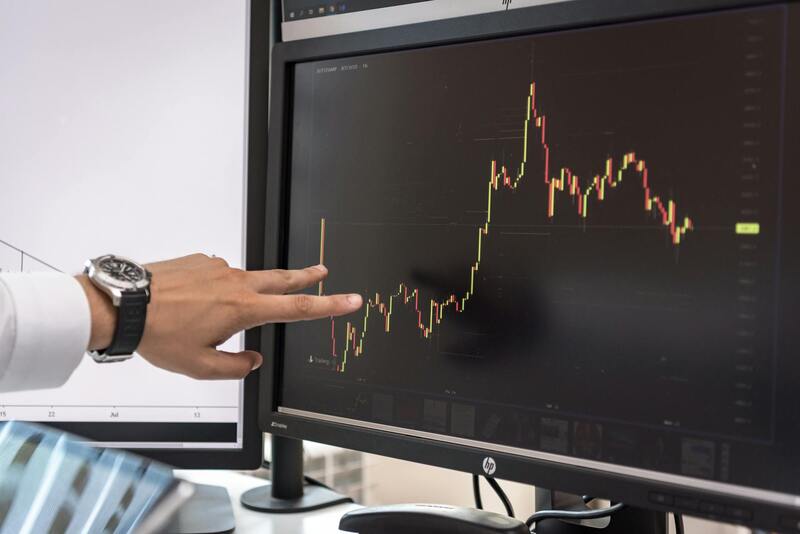
Futures trading within these firms covers a broad spectrum of strategies, often tailored to the specific contracts and market conditions encountered in the futures landscape. Common approaches include:
- Trend Following: Traders capitalize on established directional movements, utilizing technical analysis tools such as moving averages and breakout patterns.
- Range Trading: This strategy involves identifying support and resistance levels within a bounded market, entering positions accordingly.
- Scalping: Short-term trading that aims to profit from minor price fluctuations, requiring fast execution and meticulous risk controls.
- News-Based Trading: Reacting swiftly to economic reports, geopolitical events, or market announcements that impact futures prices.
Prop firms often encourage diversification across multiple futures contracts, including commodities, financial indices, and currencies, with the aim of balancing risk and maximizing return potential through strategic position sizing.
Entry Requirements and Challenges for Traders
Participating in futures prop trading involves meeting specific criteria designed to assess a trader’s skill level and discipline. These typically include demonstration of effective risk management, profitability in simulated or live trading environments, and adherence to strict trading rules. Challenges faced by traders often revolve around maintaining consistent performance, managing emotional biases, and adapting strategies to evolving market conditions.
- Evaluation Phases: Many firms require passing a series of evaluation accounts, where traders must achieve specified profit targets without breaching risk limits within a set timeframe.
- Risk Discipline: Maintaining discipline to avoid excessive losses or impulsive trading is critical, often monitored through real-time risk evaluation tools.
- Resource Utilization: Traders need to effectively leverage available educational and analytical resources provided by the firm to improve their skills and performance.
Advantages of Working with a Futures Prop Firm
Aligning with a futures prop firm offers multiple benefits that can significantly impact a trader’s career. Key advantages include access to substantial trading capital, advanced trading tools, and comprehensive risk management support. These resources enable traders to implement their strategies on a scale unattainable with personal funds, thereby amplifying profit opportunities and experiential learning.
Furthermore, trading within a structured environment promotes disciplined trading practices, which are essential for long-term success. The mentorship programs and educational resources aid traders in refining their skills and keeping pace with market developments. Working with a reputable prop firm also provides a platform for professional growth, networking, and potential career advancement in the trading industry.
Costs, Fees, and Discount Opportunities
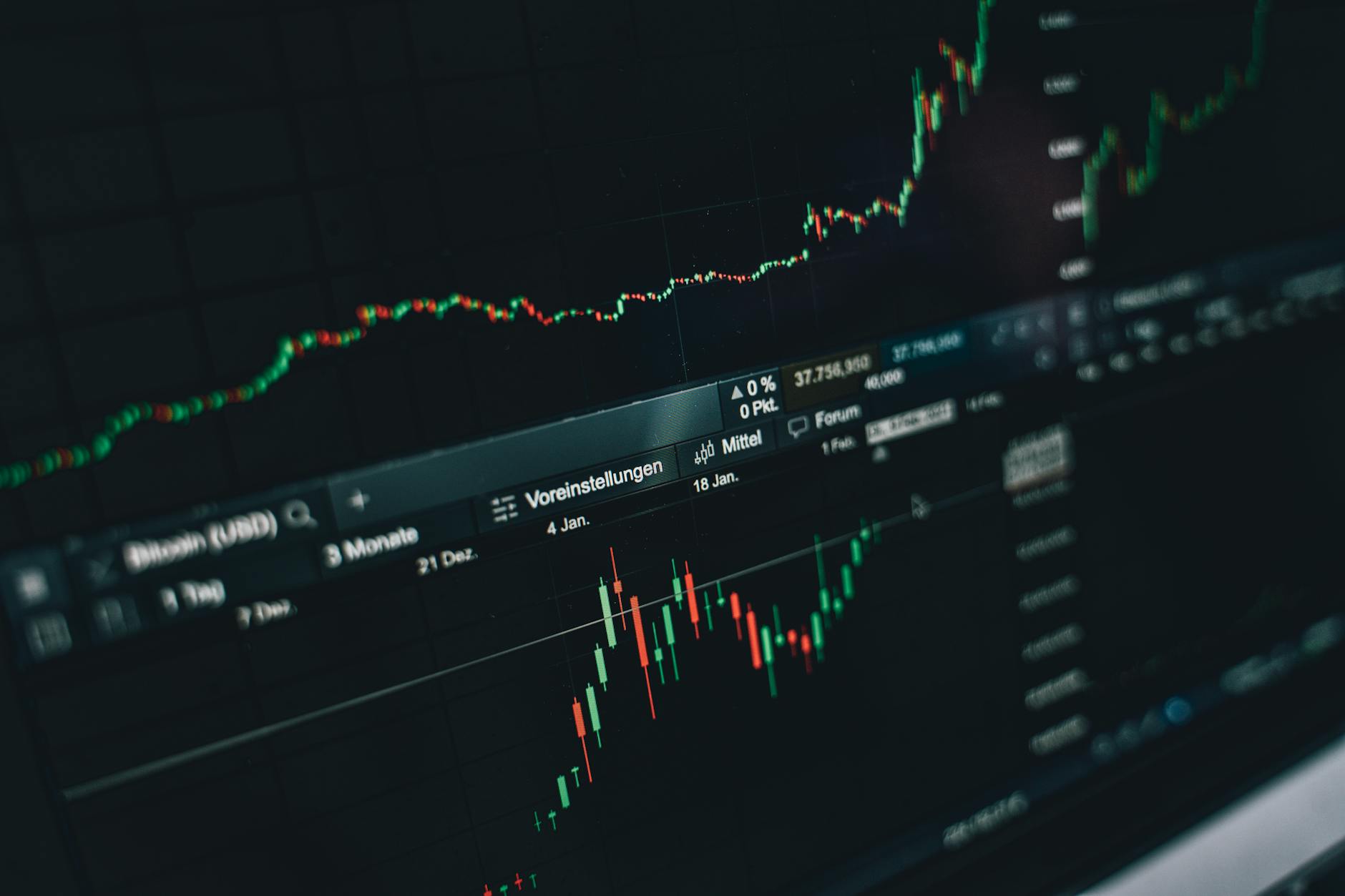
Operational costs associated with futures prop trading include platform fees, data subscription charges, and challenge or evaluation fees. Many firms implement tiered pricing models, rewarding traders who perform well or demonstrate consistency with discounts or reduced fees. For instance, traders who meet certain profit thresholds or exhibit disciplined risk management may be eligible for lower commissions, fee waivers, or bundled service packages.
Such discount programs serve to motivate ongoing performance and foster long-term relationships. For traders, strategic management of these costs is crucial, as reduced fees can lead to higher net profits and a more sustainable trading career.
Cost structures are often transparent, with detailed disclosures provided upfront, allowing traders to assess the profitability and financial implications of their trading activities. By choosing a prop firm with balanced fee policies and attractive discount programs, traders can optimize their overall trading environment, ensuring cost-effective execution and resource utilization that enhance overall profitability and growth prospects.
Regulations and Legal Considerations in the US
Futures trading prop firms operating within the United States are subject to a robust framework of regulations designed to uphold fair trading practices, protect traders, and maintain market integrity. These regulations influence how firms establish their operational standards and compliance protocols, ensuring adherence to federal and state laws that govern financial markets.
Key regulatory bodies include the Commodity Futures Trading Commission (CFTC) and the National Futures Association (NFA). These organizations enforce rules concerning registration, capital requirements, and reporting obligations that futures prop firms must follow. Traders working with these firms can expect a high level of oversight, which helps establish a transparent and stable trading environment.

Futures prop firms typically implement comprehensive compliance programs that include regular audits, risk management standards, and staff training. These measures are crucial in maintaining adherence to regulations while fostering responsible trading behavior. Firms often provide traders with detailed policies on trading conduct, risk limits, and reporting procedures, ensuring all stakeholders operate within prescribed legal boundaries.
Moreover, transparency in fee disclosures, trading disclosures, and performance metrics is mandated under regulatory frameworks. This transparency allows traders to evaluate the costs and benefits of partnering with specific firms, promoting informed decision-making.
Operationally, firms must ensure client funds are properly segregated and maintained in accordance with regulatory standards. Being compliant with these rules not only protects traders’ investments but also enhances the credibility of the trading environment, attracting more disciplined traders who seek a secure platform for futures trading.

Understanding the regulatory landscape is essential for traders aiming to participate in futures trading via prop firms. It confirms that the platform meets established standards of fair practice and operational stability, providing a foundation for sustainable trading activities. For traders, working with firms that prioritize regulatory adherence ensures peace of mind and enhances trust in the trading process.
