
Overview of Futures Prop Firms in the USA
Futures proprietary trading firms, commonly known as futures prop firms, play a vital role in the financial trading landscape within the United States. These firms operate as private companies that provide traders with the necessary capital and resources to engage in futures trading, often on behalf of the firm itself. Unlike individual traders who use personal funds, traders affiliated with futures prop firms operate with risk capital supplied by the firm, allowing for larger trading volumes and more sophisticated strategies.
The core function of futures prop firms is to enable talented traders to maximize their trading capabilities without the constraints of personal capital limitations. They serve as facilitators by offering trading accounts, advanced trading technology, risk management tools, and sometimes mentorship programs, all geared towards enhancing trader performance. The firms earn a portion of the profits generated through successful trading, aligning their success with the traders’ abilities.
In the USA, futures prop firms have gained popularity among both aspiring and experienced traders due to the opportunities they present. Traders can access substantial trading capital, which significantly improves their ability to execute diverse trading strategies ranging from day trading to swing trading. Additionally, futures trading is attractive because of its liquidity, leverage, and the ability to profit from both rising and falling markets.

Why Are Futures Prop Firms Popular in the USA?
- Enhanced trading capacity through access to substantial leverage and capital
- Support for a wide array of futures contracts, including commodities, indices, and cryptocurrencies
- Availability of structured evaluation programs to test traders’ skills
- Opportunities for profit sharing and performance-based incentives
- Focus on development of disciplined, professional trading practices
This dynamic environment offers traders the chance to refine their strategies, access premium trading platforms, and collaborate with experienced market professionals, thus fostering a professional approach to futures trading within the USA. As a result, futures prop firms continue to attract traders seeking to scale their trading operations and improve their performance in the highly competitive commodities and futures markets.
Overview of Futures Prop Firms in the USA
Futures proprietary trading firms in the United States serve as facilitators for traders looking to leverage significant capital sources in a regulated environment. These firms typically operate by providing traders with trading accounts that are funded either by the firm itself or through performance-based models. The key appeal lies in the access to substantial trading capital, which allows traders to implement diverse strategies across commodities, indices, and even cryptocurrencies. This access dramatically enhances the potential for profit, especially when combined with the sophisticated risk management tools and trading technology offered by these firms.
U.S. futures prop firms attract a broad spectrum of traders—from newcomers honing their trading discipline to seasoned professionals seeking larger positions and advanced resources. They create a supportive structure that encourages skill development and consistency, often through structured evaluation programs that assess traders’ abilities before granting full account access. The competitive environment within these firms fosters continuous improvement, as traders are incentivized through profit sharing and performance bonuses. Moreover, these firms adhere to strict operational standards, ensuring a secure trading environment that complies with the comprehensive regulatory landscape of the U.S. markets.

The evolving ecosystem of futures prop firms in the USA underscores the importance of professional training, disciplined trading practices, and a focus on risk management. The industry’s growth is driven by the increasing demand for alternatives to traditional trading accounts, offering traders the opportunity to work with larger positions, enhance their strategies, and participate actively in highly liquid markets. As the futures markets expand across various sectors, these firms continue to play a critical role in empowering a new generation of traders to achieve sustainable success in one of the most competitive environments in finance.
Account Types and Requirements
Futures prop firms in the USA offer a variety of account types to accommodate traders at different experience levels and with diverse trading styles. The most common account categories include evaluation accounts, standard live trading accounts, and premium or specialized accounts designed for high-volume or professional traders. Each account type has specific prerequisites, such as minimum capital deposits, trading experience, and risk management protocols.
For evaluation accounts, traders are typically required to complete a structured assessment process aimed at demonstrating their skill, discipline, and adherence to risk parameters. This often involves executing simulated or real trading within predefined live or demo environments for a set period. Successfully passing these assessments enables traders to move into full proprietary account trading.
Standard live trading accounts generally necessitate a minimum deposit, which can vary among firms—ranging from a few thousand dollars to larger sums for premium accounts. Traders are expected to follow established trading rules and risk limits, including maximum drawdown thresholds, position size restrictions, and daily loss limits.

Requirements for account opening also often include a verified trading track record or proof of prior trading experience within regulated markets. Some firms may conduct interviews or assessments to gauge a trader’s market understanding and strategic approach. Furthermore, traders must agree to compliance protocols, such as reporting requirements, regular performance reviews, and adherence to firm policies on trading conduct.
Challenge Programs and Evaluation Criteria
Many futures prop firms implement challenge programs to assess a trader’s capability before granting full account access. These programs measure key performance indicators, including consistency in profit generation, risk control, and adherence to trading rules. Evaluation criteria often include achieving a specified profit target within a designated period while maintaining acceptable drawdown limits.
Successful completion of these challenges demonstrates a trader’s capacity for disciplined trading and effective risk management, which are critical for progressing within the firm. Failing to meet set benchmarks typically results in a need to retrain or reattempt the evaluation, ensuring only qualified traders gain access to the firm’s capital.

Strict adherence to evaluation standards maintains the integrity and operational efficiency of futures prop firms, ensuring that only traders who demonstrate consistent, responsible trading habits are entrusted with significant capital allocations.
Details of Trading Strategies and Recommended Practices for Futures Prop Traders in the USA
Developing a robust trading strategy is essential for success within futures prop firms. Traders must adhere to disciplined methodologies tailored to the highly volatile and leverage-sensitive futures markets. Effective strategies often combine technical analysis, fundamental insights, and disciplined risk management protocols to optimize profitability while minimizing potential losses.
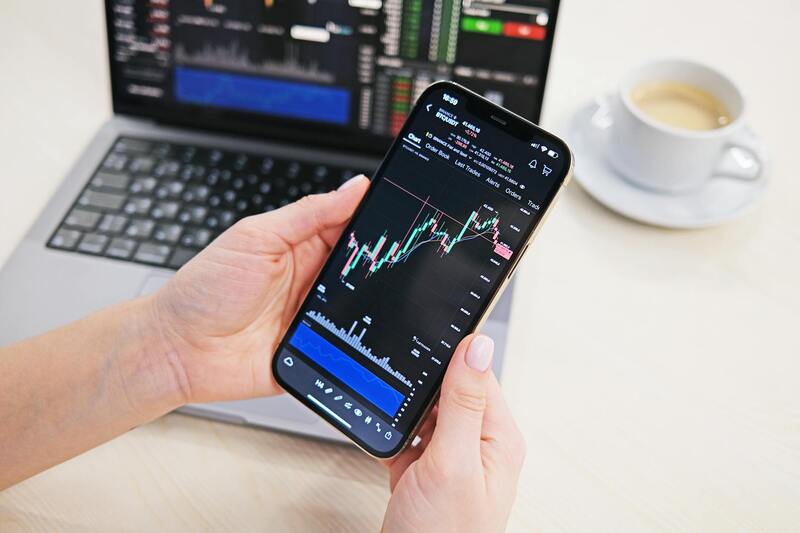
Technical analysis involves scrutinizing price charts, patterns, and indicators to identify potential entry and exit points. Common tools include moving averages, RSI, MACD, and Fibonacci retracements, which help traders interpret market momentum and trend reversals with clarity. Fundamental analysis, on the other hand, emphasizes macroeconomic data, geopolitical events, and industry-specific news that influence futures prices. Combining these approaches allows traders to form comprehensive market forecasts.
Risk management is a cornerstone of sustainable futures trading. Effective practices include setting strict stop-loss and take-profit orders, defining risk-reward ratios before executing trades, and avoiding over-leverage. Many successful traders operate with a predefined maximum drawdown limit, ensuring that losses remain contained within acceptable bounds. These measures preserve trading capital and prevent emotional decision-making during turbulent market environments.
Best Practices for Futures Prop Traders
- Comply with established trading plans, avoiding impulsive actions driven by market noise or emotions.
- Maintain detailed trading journals to track decisions, outcomes, and lessons learned. This documentation supports continual refinement of strategies.
- Stay informed about macroeconomic indicators and geopolitical developments that affect futures markets to anticipate significant price movements.
- Implement rigorous risk controls, including position sizing aligned with account size and risk exposure limits. This minimizes the potential impact of individual trades on overall capital.
- Consistently evaluate and adjust strategies based on performance data and market conditions, fostering adaptability and resilience.
Lastly, disciplined adherence to a defined trading routine, combined with ongoing education and market analysis, enhances the likelihood of consistent profitability. This approach aligns with the standards set by reputable futures prop firms in the USA, emphasizing responsible trading practices.
Overview of Futures Prop Firms in the USA
Futures proprietary trading firms in the United States have gained significant traction by providing traders with the platforms, capital, and resources necessary to succeed in the futures markets. These firms typically allocate trading capital to skilled individuals who meet specific performance criteria, thereby enabling traders to operate with higher leverage and larger position sizes than individual accounts would normally permit.
Futures prop firms are distinguished by their structured programs, rigorous evaluation methods, and ongoing support mechanisms. They serve as a bridge between individual traders and larger financial markets, offering opportunities for professional trading careers, with many firms focusing on compliance, risk management, and technological efficiency. This environment fosters a professional and disciplined approach to trading, emphasizing transparency and adherence to industry standards.

How Futures Prop Trading Works
The core operational model of futures prop trading involves traders utilizing the firm’s capital to execute trades. Traders are assessed through a series of evaluation stages, often including a challenge, evaluation, or trading period, designed to ensure their skills, discipline, and risk management practices meet the firm's standards.
- Assessment Phase: Potential traders undergo simulated trading or challenge programs that measure their ability to generate profits while controlling risk.
- Trading Capital Allocation: Successful traders are allocated a trading account with capital provided by the firm, enabling larger position sizes and more complex strategies.
- Trading Execution and Monitoring: Traders execute strategies within defined risk parameters, with their performance continuously monitored and evaluated.
- Profit Sharing: Profits are often split between the trader and the firm, with the trader receiving a percentage of the gains after a predefined return threshold is achieved.
This structure incentivizes skill, consistency, and discipline, aligning traders’ interests with the firm’s risk management policies.
Account Types and Requirements
Futures prop firms in the USA typically offer various account types tailored to traders’ experience levels and risk appetite. These accounts require traders to meet specific prerequisites before participation:
- Standard Trading Accounts: Usually intended for experienced traders who pass a rigorous evaluation process, these accounts come with higher capital allocations but also stricter risk controls.
- Beginner or Entry-Level Accounts: Offered by some firms to new traders, these include mentoring and more flexible evaluation criteria.
- Professional or Enterprise Accounts: Designed for seasoned traders with a proven track record, often involving more substantial capital and advanced risk management protocols.
Requirements to qualify often include a demonstrated understanding of futures markets, documented trading experience, or successful completion of a challenge or evaluation phase. Firms emphasize solid risk management skills, such as maintaining maximum drawdown limits and adhering to position sizing rules, to protect their capital and ensure sustainable trading operations.
Challenge Programs and Evaluation Criteria
Most futures prop firms implement challenge programs to identify traders who possess both skill and discipline. These programs consist of simulated trading exercises or real trading trials that test a trader’s ability to adhere to specific rules while generating consistent returns.
- Initial Challenge: Traders are asked to meet specific profit targets within a set period, adhering to strict risk controls.
- Evaluation Phase: Once successful, traders enter a live trading evaluation where their performance is closely monitored for stability, risk management, and profitability.
- Criteria for Success: Key benchmarks include achieving profit targets without breaching maximum drawdown limits, maintaining proper risk/reward ratios, and demonstrating disciplined trading routines.
These evaluation stages serve as filters to ensure only capable and disciplined traders qualify for funded accounts, fostering an environment of responsible trading that benefits all participants.
Legal and Regulatory Aspects
Engaging with futures prop firms in the USA requires understanding the framework within which these firms operate. Since futures trading involves significant financial exposure, firms must adhere to rigorous standards set by regulatory bodies to ensure transparency and fair practices. Although not explicitly referring to approvals or licenses, compliance with established guidelines helps create a trustworthy environment for traders.
Most futures prop firms maintain robust internal compliance protocols, aligning their operations with industry standards. These include implementing comprehensive risk management systems and transparent fee structures. They often employ advanced technology to ensure execution accuracy, data security, and reporting integrity, fostering confidence among traders.
Operational transparency is vital in fostering long-term relationships between traders and firms. Firms typically provide clear documentation, including terms of engagement, risk management policies, and profit-share arrangements. These details empower traders to make informed decisions and maintain discipline throughout their trading careers.
Additionally, many reputable futures prop firms participate in industry associations or adhere to best practices established by relevant oversight bodies. This involvement ensures that they stay aligned with evolving standards and maintain an environment conducive to responsible trading activities.
In summary, while futures prop trading in the USA is not governed by a central licensing authority specifically for proprietary firms, the sector relies on a combination of internal standards, technological safeguards, and industry norms to uphold integrity and fairness. Traders should prioritize partnerships with firms that demonstrate transparency, robust risk controls, and a commitment to maintaining the highest operational standards.
Legal and Regulatory Aspects
Futures prop firms in the USA operate within a framework designed to promote transparency, fairness, and operational integrity. These firms adhere to industry standards that emphasize compliance with established guidelines related to risk management, data security, and financial reporting. While they are not subject to specific licensing solely for proprietary trading, they often align their operations with broader regulatory and self-regulatory standards enforced by industry associations and oversight bodies.
Proprietary firms typically maintain comprehensive internal policies to ensure all trading activities are conducted ethically and responsibly. These policies include rigorous due diligence processes for onboarding traders, ongoing risk assessments, and transparent profit-sharing arrangements. Furthermore, many firms participate in industry initiatives that promote best practices, such as maintaining secure trading platforms, implementing anti-fraud measures, and ensuring fair access to market information.

In addition, futures prop firms often utilize advanced technology solutions that facilitate compliance monitoring and risk controls. These tools help detect suspicious activity, enforce trading limits, and generate detailed audit logs, which are crucial for maintaining integrity. As part of their commitment to transparency, many firms publish clear documentation outlining their operational standards, profit-sharing models, and risk management protocols, thus enabling traders to make informed decisions about their partnerships.
Trader Protections and Responsibilities
- Clear Contract Terms: Reputable firms provide written agreements that specify trading rules, profit splits, and liability clauses.
- Risk Management Policies: Firms implement strict risk controls, including maximum loss thresholds and position limits, which protect traders and the firm's capital.
- Dispute Resolution: Transparent procedures for addressing trader concerns and resolving disputes effectively.
- Ongoing Education: Many firms offer training resources and ongoing monitoring to support responsible trading behaviors.
It is essential for traders to thoroughly review these policies and ensure they understand the operational standards before engaging with a futures prop firm. Responsible trading, guided by clear policies and supported by technological safeguards, not only protects individual traders but also sustains the integrity of the entire futures trading ecosystem.
Comprehensive Evaluation of Futures Prop Firms in the USA
When exploring futures prop firms in the USA, it is vital for traders to understand the trusted and conventional methods used to evaluate and select a suitable partner. These methods emphasize a thorough review of operational standards, technological infrastructure, and financial arrangements, ensuring a robust and secure trading environment. Reputation and transparency are critical factors, often validated through industry reputation and clear documentation provided by the firm.

Due Diligence and Verification Processes
Prior to committing capital or registering with a futures prop firm, traders should conduct comprehensive due diligence. This includes verifying the firm’s registration status, examining financial disclosures, and reviewing client testimonials and industry reviews. Reliable firms often publish independent audit results and client success stories, which provide insight into their operational integrity.
- Check for transparency in profit-sharing arrangements and fee structures.
- Review the firm’s compliance with industry standards and best practices.
- Assess the technological infrastructure, including trading platform security and risk management tools.
- Dialogue with existing traders, if possible, to gain firsthand insights.
Utilizing Official Resources and Industry Networks
Engaging with recognized industry associations and regulatory bodies can validate a futures prop firm’s credentials. These organizations often publish lists of trusted firms adhering to established operational standards and ethical practices. Networking within industry forums and attending trading expos can also provide valuable perspectives and firsthand information about prospective firms.
Assessment of Risk Management and Technology Solutions
State-of-the-art risk management systems are fundamental in futures prop trading. Firms employing advanced technology solutions offer features like automated trading limits, real-time monitoring, and audit trails, which safeguard both traders and the firm’s capital. It is advisable to review how these systems are integrated into daily trading operations and their effectiveness in managing market volatility and operational risks.

Evaluating Contract Terms and Trader Protections
Standard contracts should clearly define all operational facets, including profit splits, capital contribution, liability issues, and withdrawal processes. Traders must ensure that these agreements contain comprehensive provisions for dispute resolution and trader protections. Precise documentation and consistent enforcement of these terms contribute to a stable trading environment and foster trust in the partnership.
Requesting and Reviewing References
Establishing communication with current and former traders can provide invaluable insights into the firm’s day-to-day operations, responsiveness, and support quality. References serve as an independent verification of the firm’s claims and can highlight aspects like payout consistency, platform reliability, and overall trader satisfaction.
Conclusion
Meticulous evaluation of futures prop firms using these established methods ensures traders align with reputable and reliable partners. Emphasizing procedural transparency, technological robustness, and comprehensive documentation creates an optimal environment for trading success. Ultimately, choosing a futures prop firm is a significant decision that influences trading performance, risk management, and long-term profitability in the dynamic landscape of futures trading in the USA.
