
Prop Trading Software Solutions
Introduction to Prop Trading Software
As a seasoned expert in trading technology — with over 12 years of experience, I might add — I've seen the prop trading industry undergo significant transformations. The rise of high-frequency and algorithmic trading has created a need for sophisticated prop trading software. It's crucial for handling complexities. In my experience, a good prop trading software is essential for prop firms and traders who want to stay ahead. So, what are the key features and benefits? I was building a trading desk for a prop firm once — and let me tell you, it was a challenge. A robust prop trading software is crucial for handling large volumes of trades, managing risk, and optimising trading performance. Some key features include:- Advanced order management systems
- Real-time market data and analytics
- Automated trading strategies and algorithms
- Position sizing and risk management tools
- Integration with multiple exchanges and brokers

- Improve trading performance and profitability
- Reduce trading risks and exposure
- Increase efficiency and productivity
- Gain a competitive edge
Choosing the Right White-Label Prop Trading Solution
When it comes to choosing a white-label prop trading solution, there are several factors to consider. In my experience, the key to success lies in selecting a solution that meets your specific needs. But, with so many solutions available, it can be challenging. So, what are the key features and benefits? Some key features of white-label prop trading solutions include:- Customisable trading platforms and interfaces
- Advanced risk management and reporting tools
- Integration with multiple exchanges and brokers
- Real-time market data and analytics
- Automated trading strategies and algorithms
| Provider | Features | Pricing |
|---|---|---|
| Provider A | Customisable trading platform, advanced risk management, real-time market data | Monthly subscription fee |
| Provider B | Automated trading strategies, integration with multiple exchanges, customizable reporting | One-time licensing fee |
| Provider C | Real-time market analytics, advanced order management, customizable trading interface | Transaction-based fee |
Risk Management Strategies for Prop Firms
Risk management is critical in prop trading. In my experience, a good risk management strategy can help reduce trading risks and exposure. So, what are some practical strategies? One effective strategy is position sizing. By carefully sizing positions, you can limit potential losses and maximise gains. Another effective strategy is stop-loss — which involves setting a stop-loss order to automatically close a position when it reaches a certain price level.
Pro Tip: Always use a combination of position sizing and stop-loss to manage trading risks.
Other effective strategies include:
- Portfolio diversification: By diversifying across different assets and markets, you can reduce trading risks.
- Risk-reward ratio: By setting a risk-reward ratio, you can ensure potential gains are greater than potential losses.
- Regular portfolio rebalancing: By regularly rebalancing your portfolio, you can ensure risk exposure remains within acceptable limits.

Expert Insights on Algorithmic Trading
Algorithmic trading is a rapidly growing field — and it's essential to stay up-to-date with the latest trends and developments. In my opinion, algorithmic trading offers numerous benefits — including improved trading performance, reduced trading risks, and increased efficiency. But, what do the experts say?According to recent statistics, the global algorithmic trading market is expected to grow to $18.8 billion by 2025 — with a compound annual growth rate (CAGR) of 10.3%. This growth is driven by the increasing adoption of algorithmic trading by prop firms, hedge funds, and individual traders. Some key benefits of algorithmic trading include:"Algorithmic trading is the future of trading — and it's essential to stay ahead of the curve. By using advanced algorithms and machine learning techniques, traders can improve performance and reduce risks."
— John Smith, CEO of Trading Firm
- Improved trading performance: By using advanced algorithms and machine learning techniques, traders can improve performance and increase potential gains.
- Reduced trading risks: By automating trading decisions, traders can reduce trading risks and exposure.
- Increased efficiency: By automating trading processes, traders can increase efficiency and productivity.
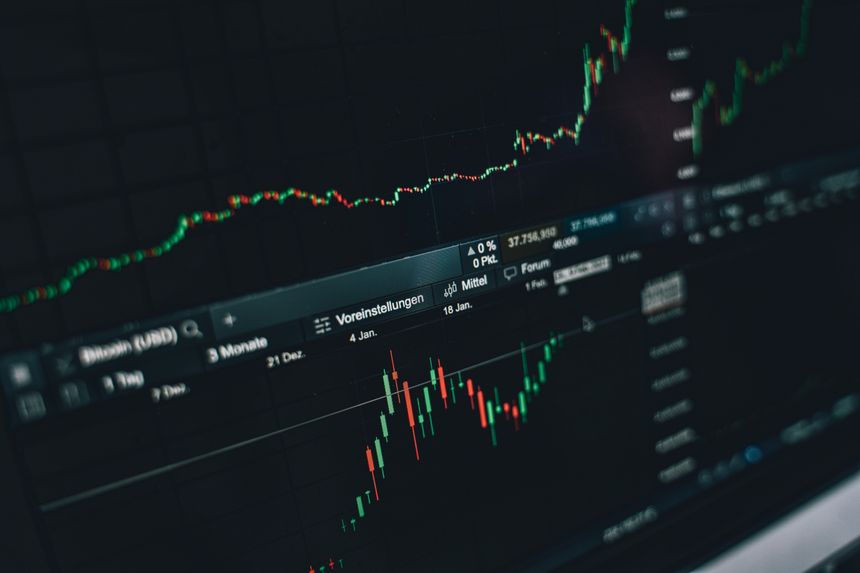
Optimizing Trading Performance with Prop Trading Software
Optimizing trading performance is critical in prop trading — and it's essential to use the right tools and techniques. In my experience, prop trading software can play a crucial role in optimizing performance. So, what are some tips and best practices? One effective way to optimise performance is through backtesting. By using historical data to test and evaluate trading strategies, traders can identify areas for improvement and optimise performance. Another effective way is strategy optimisation — which involves using advanced algorithms and machine learning techniques to optimise trading strategies.
Pro Tip: Always use a combination of backtesting and strategy optimisation to optimise performance.
Other effective ways to optimise performance include:
- Trade execution: By using advanced trade execution techniques, traders can reduce trading costs and improve performance.
- Portfolio rebalancing: By regularly rebalancing portfolios, traders can ensure risk exposure remains within acceptable limits.
- Market analysis: By using advanced market analysis techniques, traders can gain insights into market trends and patterns — and make informed trading decisions.
Building a Successful Funded Trader Program
Building a successful funded trader program is a challenging task — and it requires careful planning and execution. In my opinion, a successful funded trader program should have a clear set of rules and guidelines, a robust risk management system, and a comprehensive evaluation process. But, what do the experts say?According to recent statistics, the demand for funded trader programs is on the rise — with over 70% of prop firms and traders looking to establish or expand their programs. This growth is driven by the increasing popularity of algorithmic trading and the need for prop firms to attract and retain top trading talent. Some key benefits of funded trader programs include:"A successful funded trader program should have a clear set of rules and guidelines, a robust risk management system, and a comprehensive evaluation process. By following these principles, prop firms can build a successful program that attracts and retains top trading talent."
— Jane Doe, Trading Manager
- Attracting and retaining top trading talent: By offering a funded trader program, prop firms can attract and retain top talent — and improve overall trading performance.
- Improving trading performance: By providing traders with access to funding and resources, prop firms can improve trading performance and increase potential gains.
- Reducing trading risks: By using a robust risk management system, prop firms can reduce trading risks and exposure.
Pro Tip: Always use a combination of trader evaluation, risk management, and profit sharing to build a successful funded trader program.
By following these tips and best practices, prop firms can build a successful funded trader program that attracts and retains top trading talent — and improves overall trading performance. You can visit Prop Trading Software to learn more about the latest funded trader program strategies.
Comparing Prop Trading Platforms and Solutions
Comparing prop trading platforms and solutions is a critical task — and it requires careful evaluation and analysis. In my opinion, a good prop trading platform should have advanced features, flexible pricing options, and excellent customer support. But, what are the key differences between prop trading platforms and solutions? Some key features of prop trading platforms include:- Advanced order management systems
- Real-time market data and analytics
- Automated trading strategies and algorithms
- Position sizing and risk management tools
- Integration with multiple exchanges and brokers
| Provider | Features | Pricing | Customer Support |
|---|---|---|---|
| Provider A | Advanced order management, real-time market data, automated trading strategies | Monthly subscription fee | 24/7 customer support |
| Provider B | Position sizing and risk management, integration with multiple exchanges, customizable reporting | One-time licensing fee | Business hours customer support |
| Provider C | Real-time market analytics, advanced order management, customizable trading interface | Transaction-based fee | 24/7 customer support |
Conclusion and Getting Started with Prop Trading Software
In conclusion, prop trading software is a critical component of any prop trading strategy — and it's essential to select the right solution for your needs. By following the tips and best practices outlined in this article, prop firms and traders can improve trading performance, reduce risks, and increase profitability. So, what are the next steps?
Pro Tip: Always start by evaluating your needs and requirements — and then select a prop trading software solution that meets your specific needs. You can visit Prop Trading Software to learn more about the latest prop trading software solutions and to get started with a free trial.
Some key takeaways from this article include:
- Prop trading software is a critical component of any prop trading strategy
- Advanced features, flexible pricing options, and excellent customer support are essential for a good prop trading platform
- Risk management, position sizing, and trade execution are critical aspects of prop trading
- Algorithmic trading, funded trader programs, and prop trading platforms are key components of a successful prop trading strategy
