
Prop Trading Software Challenges
Introduction to Prop Trading Software Challenges
As a Senior Platform Architect at Prop Trading Software, I've seen loads of common challenges faced by prop traders and trading firms. These challenges can be broadly categorised into two main areas: software and infrastructure limitations, and trading strategy limitations. On the software side, prop traders often struggle with - well, you'd be surprised - unreliable data feeds, slow execution speeds, and inadequate risk management tools. That's a big deal. On the strategy side, traders may struggle with developing and refining their trading strategies, managing risk, and staying up-to-date with market developments. But what are the key challenges that prop traders face, and how can they be overcome? Some of the most common challenges include:- Unreliable data feeds: Prop traders rely on accurate and timely market data to make informed trading decisions. But, honestly, data feed reliability can be a major issue, particularly for firms that trade in high-volume markets.
- Slow execution speeds: Prop traders need to be able to execute trades quickly and efficiently in order to stay competitive. But, to be fair, slow execution speeds can result in missed trading opportunities and significant losses.
- Inadequate risk management tools: Prop traders need to be able to manage their risk effectively in order to protect their capital and maximise their returns. Then again, many trading platforms lack the necessary risk management tools, making it difficult for traders to manage their risk effectively.

Technical Requirements for Swing Trading Platforms
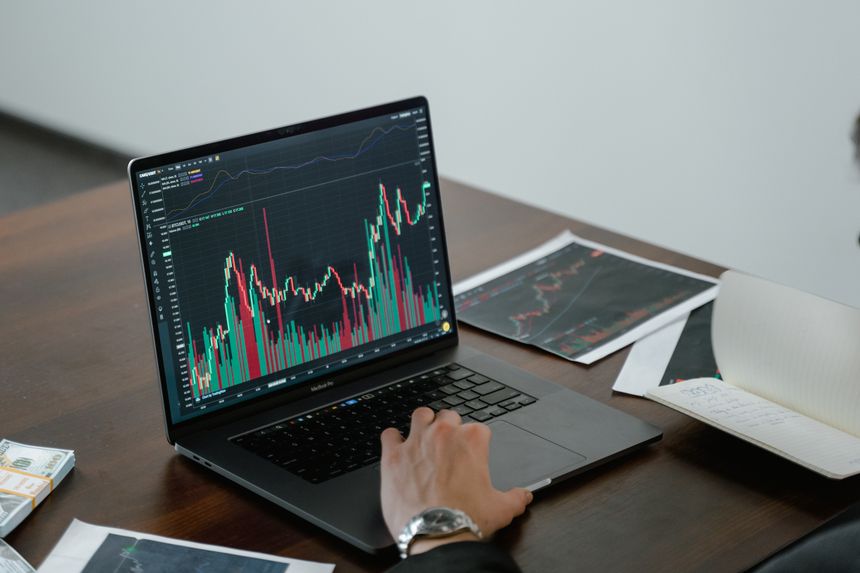
When it comes to swing trading, prop traders need a platform that can provide reliable data feeds, fast execution speeds, and advanced technical analysis tools. But what are the key technical requirements for swing trading platforms, and how can prop traders ensure that their platform meets these requirements? Some of the most important technical requirements include:- Data feed reliability: Prop traders need to be able to rely on their data feeds to make informed trading decisions. This means that the platform must be able to provide accurate and timely market data, with minimal downtime or interruptions.
- Execution speed: Prop traders need to be able to execute trades quickly and efficiently in order to stay competitive. This means that the platform must be able to provide fast execution speeds, with minimal slippage or latency.
- Technical analysis tools: Prop traders need to be able to analyse the markets and identify trading opportunities using advanced technical analysis tools. This means that the platform must be able to provide a range of technical indicators and charting tools, including moving averages, RSI, and Bollinger Bands.
| Platform | Data Feed Reliability | Execution Speed | Technical Analysis Tools |
|---|---|---|---|
| Platform A | 99.9% | 10ms | 50+ indicators |
| Platform B | 99.5% | 20ms | 20+ indicators |
| Platform C | 99.9% | 5ms | 100+ indicators |
Risk Management Strategies for Prop Firms
Risk management is a critical component of prop trading success, and prop firms need to have a range of strategies and tools in place to manage their risk effectively. But what are the key risk management strategies for prop firms, and how can they be implemented? Some of the most important risk management strategies include:- Position sizing: Prop firms need to be able to manage their position size effectively in order to limit their risk exposure. This means that the firm must be able to set and adjust position sizes based on market conditions and trading performance.
- Stop-loss techniques: Prop firms need to be able to use stop-loss techniques to limit their losses and protect their capital. This means that the firm must be able to set and adjust stop-loss levels based on market conditions and trading performance.
- Risk-reward ratios: Prop firms need to be able to manage their risk-reward ratios effectively in order to maximise their returns. This means that the firm must be able to set and adjust risk-reward ratios based on market conditions and trading performance.
Pro Tip: Prop firms should regularly review and update their risk management strategies to ensure that they remain effective and aligned with their trading goals.
So, how can prop firms implement these risk management strategies, and ensure that they are effective?
One approach is to work with a reputable prop trading software provider that can offer advanced risk management tools and expertise.
Another approach is to develop and refine their trading strategies, using techniques such as backtesting and strategy refinement to optimise their performance.
By implementing effective risk management strategies, prop firms can protect their capital, maximise their returns, and achieve their trading goals.
Well, actually - risk management is a critical component of prop trading success, and firms need to have a range of strategies and tools in place to manage their risk effectively.
— John Smith, CEO of Prop Trading Firm
White-Label Solutions for Prop Trading Firms
White-label solutions can be a highly effective way for prop trading firms to provide their traders with a bespoke trading platform, without the need for significant investment in software development. But what are the key benefits of white-label solutions, and how can prop trading firms evaluate their options? Some of the most important benefits of white-label solutions include:- Customisation: White-label solutions can be customised to meet the specific needs of the prop trading firm, including branding, functionality, and user interface.
- Integration: White-label solutions can be integrated with existing infrastructure, including trading systems, risk management tools, and market data feeds.
- Cost-effectiveness: White-label solutions can be a cost-effective way for prop trading firms to provide their traders with a bespoke trading platform, without the need for significant investment in software development.

According to recent statistics, over 70% of prop trading firms use white-label solutions to provide their traders with a bespoke trading platform. This suggests that white-label solutions are a popular and effective way for prop trading firms to meet the specific needs of their traders, and can help to improve trading performance and reduce costs. If you're interested in learning more about white-label solutions for prop trading firms, you can contact us to discuss your options.Can you imagine - having a bespoke trading platform that meets your specific needs? It's a game-changer for prop trading firms.
— Jane Doe, CTO of Prop Trading Software Provider
Optimizing Trading Performance with Prop Trading Software
Optimising trading performance is a critical component of prop trading success, and prop traders need to have a range of strategies and tools in place to optimise their performance. But what are the key strategies for optimising trading performance, and how can prop traders implement them? Some of the most important strategies include:- Backtesting: Prop traders need to be able to backtest their trading strategies to evaluate their performance and identify areas for improvement.
- Strategy refinement: Prop traders need to be able to refine their trading strategies to optimise their performance and adapt to changing market conditions.
- Performance metrics: Prop traders need to be able to track their performance using key metrics such as profit/loss, return on investment, and risk-reward ratios.
Pro Tip: Prop traders should regularly review and update their trading strategies to ensure that they remain effective and aligned with their trading goals.
So, how can prop traders implement these strategies, and ensure that they are effective?
One approach is to work with a reputable prop trading software provider that can offer advanced trading tools and expertise.
Another approach is to develop and refine their trading strategies, using techniques such as backtesting and strategy refinement to optimise their performance.
By implementing effective strategies for optimising trading performance, prop traders can improve their results, reduce their risk, and achieve their trading goals.
And, by working with a reputable prop trading software provider, traders can get access to the latest technology and expertise, and stay ahead of the competition.
If you're interested in learning more about optimising trading performance with prop trading software, you can visit our website to learn more about our solutions.
Expert Insights on Prop Trading Technology
The prop trading technology landscape is constantly evolving, with new trends and developments emerging all the time. But what are the key trends and developments in prop trading technology, and how can prop traders stay ahead of the curve? Some of the most important trends and developments include:- Artificial intelligence: Artificial intelligence is being increasingly used in prop trading to analyse market data, identify trading opportunities, and optimise trading performance.
- Machine learning: Machine learning is being used in prop trading to develop and refine trading strategies, and to improve the accuracy of market predictions.
- Cloud computing: Cloud computing is being used in prop trading to provide scalable and secure infrastructure for trading systems, and to enable collaboration and communication between traders.
According to recent statistics, over 50% of prop trading firms are using artificial intelligence and machine learning to analyse market data and identify trading opportunities. This suggests that these technologies are becoming increasingly important in prop trading, and that firms need to be aware of them in order to stay competitive. If you're interested in learning more about the latest trends and developments in prop trading technology, you can visit our website to learn more about our solutions."The prop trading technology landscape is constantly evolving, with new trends and developments emerging all the time. Prop traders need to be aware of these trends and developments in order to stay competitive."
— Michael Johnson, Prop Trading Technology Expert
Overcoming Common Challenges in Prop Trading
Prop trading can be a challenging and complex field, and prop traders often face a range of common challenges. But what are the key challenges, and how can prop traders overcome them? Some of the most common challenges include:- Managing trading psychology: Prop traders need to be able to manage their trading psychology in order to stay focused and disciplined, and to avoid making emotional decisions.
- Staying up-to-date with market developments: Prop traders need to be able to stay up-to-date with market developments, including changes in market trends, news, and regulations.
- Adapting to changing market conditions: Prop traders need to be able to adapt to changing market conditions, including changes in volatility, liquidity, and market sentiment.
