
Understanding Proprietary Trading and Prop Firms
Proprietary trading firms, commonly known as prop firms, are organizations that allocate capital to skilled traders to generate profit through financial markets. Unlike traditional investment vehicles or fund management companies, prop firms prioritize trading with their own funds rather than client assets. This model offers traders access to substantial capital, advanced trading technology, and professional support, all aimed at maximizing profit potential.
For traders, joining a prop firm can mean enhanced leverage, comprehensive training, and opportunities to refine trading strategies within a supportive environment. The benefits include increased trading power due to firm-funded capital, risk management oversight, and access to resources that individual traders might find difficult to attain independently.
Creating your own prop firm extends these advantages by allowing entrepreneurs and experienced traders to establish a proprietary trading business tailored to specific strategies and market niches. The process involves careful planning, understanding the operational requirements, and deploying appropriate infrastructure. Differentiating yourself from existing firms involves not only offering competitive trading conditions but also implementing unique risk management systems and trader development programs.
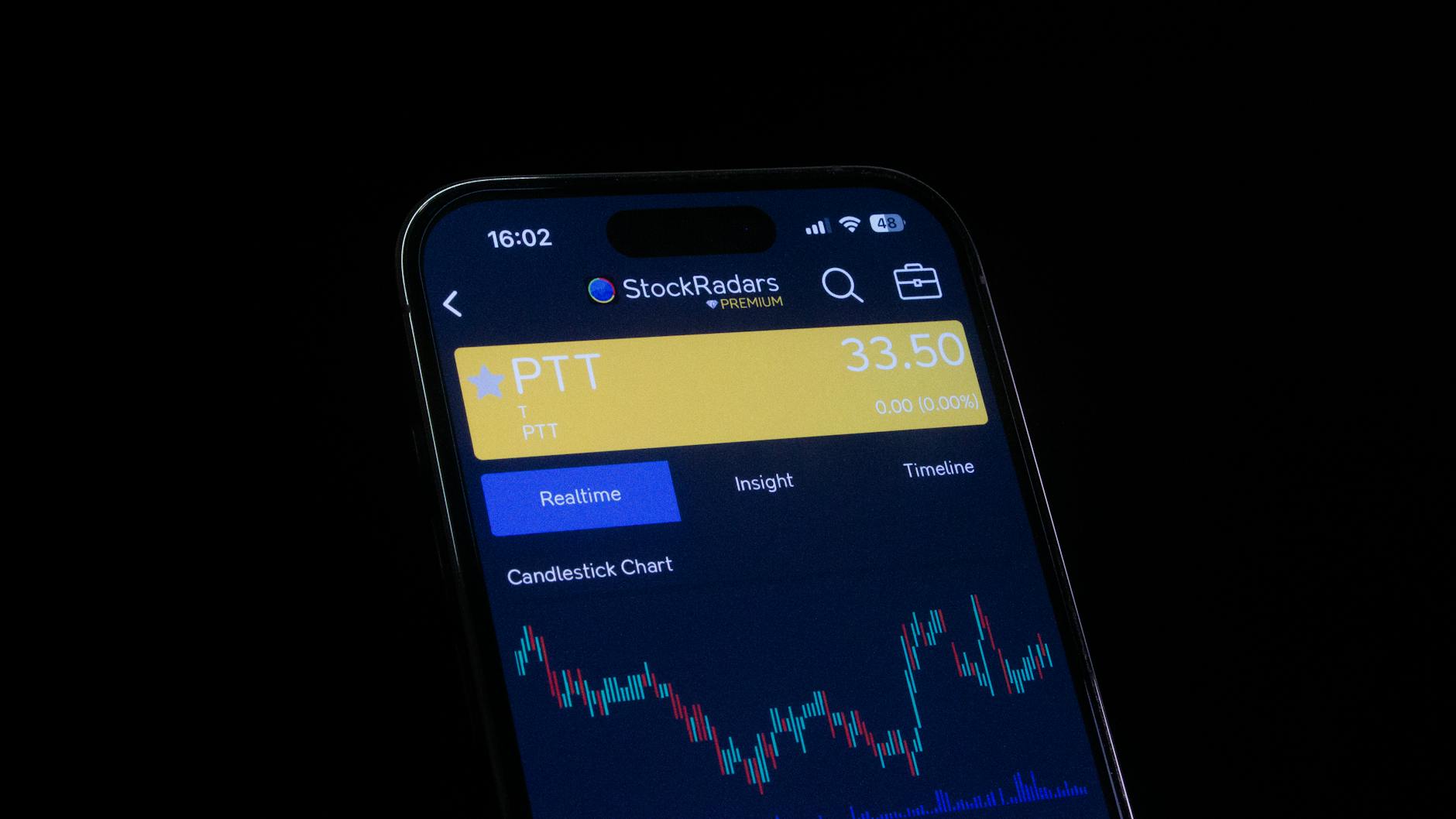
Starting a propriety trading firm from scratch requires thorough industry knowledge, capital investment, and establishing relationships with traders and regulatory bodies. A key aspect is to develop a robust operational framework, including trading platforms, risk protocols, and compliance processes that adhere to regulatory standards. Competence in financial markets and strong organizational skills are crucial for ensuring the long-term success of your proprietary trading venture.
Additionally, differentiation through innovative trading strategies, superior risk controls, and attractive trader incentives can position your firm as a competitive option within the financial ecosystem. While establishing your own prop firm involves significant effort and resources, it provides the unique opportunity to shape a trading enterprise aligned with your strategic vision and risk appetite.

Developing a Solid Foundation for Your Proprietary Trading Firm
Before initiating the creation of your own prop firm, it is essential to focus on establishing a comprehensive operational framework. This includes selecting the appropriate technology infrastructure, such as trading platforms, data feeds, and risk management software, which are integral to seamless trading operations. Investing in reliable technology ensures that traders can execute strategies efficiently while maintaining accuracy and speed, which are paramount in high-frequency trading environments.
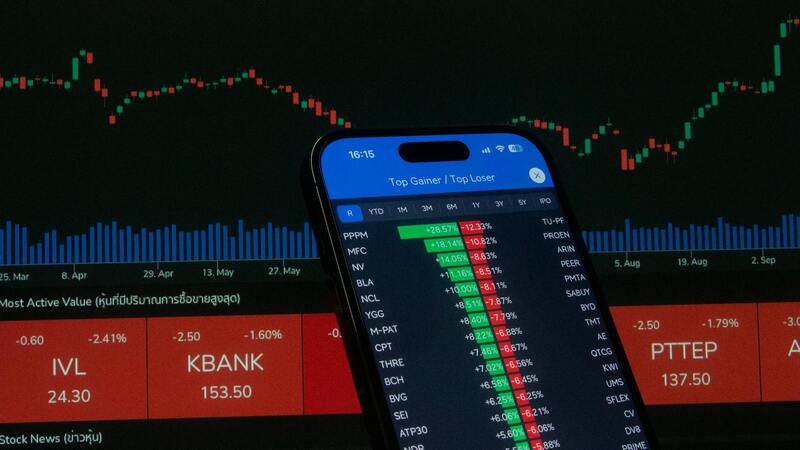
Next, you need to implement strict risk management protocols. These protocols serve as safeguards to protect capital and ensure sustainable operations. Common practices include setting daily or per-trade loss limits, utilizing stop-loss orders, and constantly monitoring market volatility. Implementing a comprehensive risk management system helps prevent catastrophic losses, preserves trader capital, and maintains firm stability over the long term.
Building Relationships with Traders and Market Participants
The trust and reputation of your firm are crucial for attracting talented traders. Developing transparent communication channels, offering competitive profit splits, and providing educational resources can foster loyalty and motivate traders to perform at their best. Establishing a supportive environment that values risk discipline and strategic growth enhances your firm’s standing within the trading community.
Obtaining Proper Capital and Funding
Funding your proprietary trading firm requires meticulous planning. This involves securing sufficient capital to sustain trading activities, cover operational costs, and support trader incentives. You might consider using personal savings, attracting investors, or leveraging loans. Maintaining a clear financial plan enables you to allocate resources effectively, ensuring that your firm can withstand market fluctuations and sustain growth.
Creating Legal Frameworks and Documentation
Formulating comprehensive legal agreements and operational policies is essential. These documents outline trader responsibilities, profit-sharing arrangements, loss mitigation procedures, and compliance standards. Clear documentation not only protects your firm but also sets expectations, promotes professionalism, and helps mitigate disputes. Consulting with legal experts specializing in financial services ensures that your documentation aligns with regulatory requirements and industry best practices.
Continuously Monitoring Compliance and Market Regulations
Remaining vigilant about changes in market regulations and compliance standards is necessary to operate smoothly. Regular training for staff and traders on compliance topics, alongside audits and reviews, helps uphold operational integrity. Maintaining open communication with regulatory bodies and industry associations can also keep your firm aligned with evolving standards, thereby minimizing potential legal or operational issues.
Establishing a Robust Infrastructure and Operational Framework
Creating your own proprietary trading firm necessitates a comprehensive infrastructure that integrates technological, operational, and human resources. Developing a seamless, reliable trading platform is a core component, ensuring real-time market data access, efficient execution, and secure transaction processing. Leveraging advanced trading software and hardware can significantly improve trading efficiency and mitigate latency issues. It’s crucial to select software solutions that are customizable, scalable, and compliant with industry standards to meet the specific needs of your trading strategies.

Operational policies should define core procedures for trade review, risk management, trader onboarding, and compliance monitoring. Establishing clear communication channels and workflow processes ensures the team operates cohesively and responds swiftly to market changes. Additionally, deploying risk management systems capable of real-time monitoring and automated alerts helps control exposure and limit unforeseen losses. Maintaining comprehensive records of all trading activities and decisions is essential not only for internal review but also for demonstrating compliance during audits.
Hiring Skilled Personnel and Facilitating Trader Development
A proficient team forms the backbone of a successful prop firm. Hiring experienced traders, risk analysts, compliance officers, and technical support staff ensures operational stability. Developing ongoing training programs for traders—focused on market analysis, trading psychology, and risk management—enhances performance and promotes responsible trading practices. Providing traders with transparent performance metrics and feedback fosters a culture of continuous improvement, which is vital for long-term growth.

Building a supportive environment for your traders includes implementing incentive schemes aligned with firm goals, such as performance-based payouts or profit-sharing plans. These, combined with strong risk controls, motivate traders to adhere to best practices while aiming to maximize profitability within established risk parameters.
Integrating Legal, Compliance, and Financial Controls
For your prop firm to operate smoothly, establishing strict legal and financial controls is crucial. This involves setting up comprehensive employment agreements, client contracts, and compliance policies that clarify roles, responsibilities, and operational boundaries. Employing diligent financial management practices, including regular audits and internal controls, helps detect and prevent issues such as misappropriation or financial inaccuracies. Employing experienced legal and financial advisors ensures that your firm maintains ethical standards and adheres to industry best practices, facilitating long-term stability and trustworthiness.

Furthermore, implementing robust anti-money laundering (AML) and know-your-customer (KYC) procedures minimizes risks related to non-compliance and enhances the integrity of your operations. Ensuring your firm maintains accurate records and transparent reporting can also positively impact relationships with investors and regulatory bodies, paving the way for sustainable growth and reputation management.
Key Components of a Futures Prop Firm
Establishing a futures proprietary trading firm necessitates a comprehensive framework that ensures operational efficiency, risk management, and sustainable growth. Essential components include a well-structured trading environment, robust risk controls, clear trading policies, and effective trader management systems.
First, a resilient trading infrastructure is vital. This involves selecting a reliable trading platform that offers advanced analytical tools, real-time data feeds, and seamless execution capabilities. Integration with secure back-office systems for account management, compliance tracking, and reporting streamlines daily operations. The infrastructure should be scalable to accommodate future expansion and adaptable to technological advancements.

Risk management is the cornerstone of any successful prop firm. Establishing strict trading limits, including maximum drawdowns and position sizes, protects the firm's capital and minimizes exposure to adverse market movements. Implementing automated risk controls, such as stop-loss orders and real-time monitoring dashboards, empowers traders and risk managers to respond swiftly to volatile conditions. Regular review and adjustment of risk parameters ensure alignment with evolving market dynamics.
Developing comprehensive trading policies forms the foundation of a disciplined trading environment. These policies should delineate acceptable trading hours, instrument constraints, leverage allowances, and compliance standards. Clear documentation safeguards against misinterpretations and promotes consistency across the trading team. Additionally, educating traders on these policies enhances adherence, reducing inadvertent violations.
Effective trader management involves recruiting skilled traders, providing ongoing training, and establishing performance benchmarks. Instituting a transparent evaluation system ensures traders are accountable and motivated to meet their targets. Incentive schemes, such as profit-sharing plans or performance bonuses, motivate traders while aligning their interests with the firm's long-term objectives.
Ensuring operational transparency and compliance is fundamental. Regular audits, detailed record-keeping, and adherence to regulatory frameworks foster trust with investors and stakeholders. Employing skilled compliance officers and leveraging state-of-the-art monitoring tools help uphold high standards of integrity within the firm. By integrating these elements—advanced infrastructure, rigorous risk controls, detailed policies, and effective management—you lay a solid foundation for creating a robust and profitable prop trading enterprise.
Setting Up Your Prop Firm Account and Infrastructure
Establishing a reliable and compliant operational framework is essential when creating your own prop firm. This process involves selecting appropriate trading platforms, securing the necessary technology infrastructure, and establishing clear procedures that support efficient and secure trading activities. A robust hardware setup, coupled with high-speed internet connectivity, reduces latency issues and enhances execution precision — critical factors in futures trading where timing is paramount.
Trading software should be tailored to meet specific performance and security standards. Utilizing professional-grade trading terminals, risk management tools, and real-time data feeds ensures traders have the necessary resources to operate effectively. Integrating these systems within a secure network architecture protects sensitive data and prevents unauthorized access, maintaining the integrity of your firm's operations.

Choosing reliable data providers and brokerage connections is another cornerstone of setting up your prop firm infrastructure. These connections should facilitate seamless order execution, broad market access, and low latency trading environments. Regularly updating your hardware and software components, and ensuring compatibility and stability, decreases technical disruptions and supports scalable growth as your firm expands.
Developing comprehensive trader onboarding processes is equally vital. This includes clear documentation of trading policies, compliance requirements, and operational procedures. Implementing secure login protocols, multi-factor authentication, and role-based access controls safeguards your infrastructure from internal and external threats. Additionally, establishing routine maintenance schedules and real-time monitoring systems contributes to operational stability and data security.
Operational efficiency also depends on a well-organized administrative backbone. Automating trade reporting, risk monitoring, and compliance audits minimizes human error and enhances transparency. These systems should be designed to generate detailed logs for auditing purposes, providing a clear record trail that supports ongoing compliance and performance evaluations.

Building a resilient infrastructure involves integrating backend technology with your trading environment seamlessly. Cloud-based solutions may offer scalability and cost advantages, while dedicated disaster recovery systems ensure business continuity during unexpected disruptions. Attention to system redundancy and backup protocols minimizes downtime, safeguarding trader activities and maintaining trust with clients and stakeholders.
Lastly, cultivating relationships with financial technology providers and data vendors enhances your firm's operational scope. Utilizing advanced analytics and machine learning tools can improve decision-making, identify market opportunities, and manage risk more proactively. Correctly aligning your technological capabilities with your firm's strategic goals ensures a solid foundation for sustainable growth in proprietary futures trading.
Developing Robust Trading Strategies and Implementing Effective Risk Controls
Creating a prop trading firm that consistently achieves success hinges not only on technology and infrastructure but also critically depends on the development of refined trading strategies coupled with stringent risk management practices. A well-structured approach to strategy formulation involves detailed analysis of market conditions, disciplined trade execution, and continuous evaluation of trading performance. Emphasizing adaptability allows your traders to respond effectively to evolving market dynamics, minimizing losses and maximizing opportunities.
In the realm of futures trading, strategy development must account for various factors such as volatility, liquidity, and technical or fundamental indicators. Incorporating quantitative models and algorithmic systems can enhance precision, help eliminate emotional biases, and streamline decision-making processes. Additionally, backtesting strategies against historical data provides insight into their historical performance and robustness under different market scenarios.
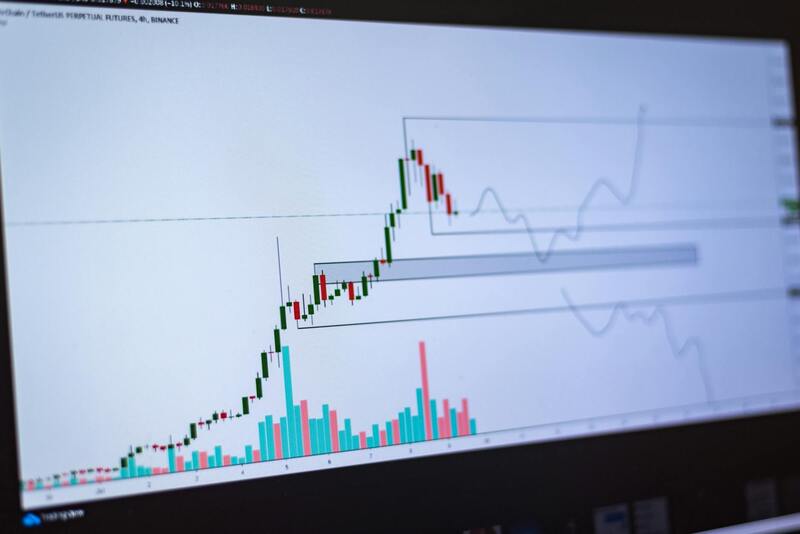
Beyond strategy creation, establishing rigorous risk controls is essential to safeguard your firm’s capital and ensure long-term sustainability. Implementing predefined risk limits on a per-trade basis, daily loss thresholds, and maximum drawdown boundaries helps prevent catastrophic losses. Automated stop-loss orders, trailing stops, and real-time monitoring enable prompt responses to adverse market movements, reducing potential damage.
Effective risk management also involves diversification across asset classes, trading styles, and timeframes. This spread reduces exposure to any single point of failure, helping maintain steady profitability even under volatile conditions. Incorporating advanced analytics and behavioral analytics tools can also shed light on trader behavior, enabling adjustments that promote prudent trading habits and discipline.
Furthermore, establishing clear compliance protocols and audit trails reinforces operational integrity. Ensuring all trades adhere to your firm’s internal risk policies and regulatory expectations helps in tracking performance and maintaining transparency. Regular review and updating of risk management practices—aligned with market changes and technological advancements—is vital for staying ahead of potential challenges.
Training and Continuous Education for Traders
Building a capable trading team requires ongoing education and skill development. Regular training sessions on technical analysis, risk control procedures, and new trading tools are crucial. Encouraging a culture of continuous learning fosters innovation, keeps traders updated on market trends, and enhances overall firm performance.
The integration of mentorship programs, access to exclusive research, and participation in trading simulations further enhances trader capabilities. By equipping your team with comprehensive knowledge and practical experience, your prop firm is better positioned to navigate complex market environments effectively.
In essence, the core of a successful proprietary trading operation lies in the synergy between innovative strategies and disciplined risk management. This dual focus allows your firm to capitalize on profit opportunities while maintaining a resilient structure to withstand market adversities.
Developing a Robust Business Model and Operational Framework
Creating your own prop trading firm involves a meticulous approach to designing a sustainable and scalable business model. This process begins with defining your firm's core trading philosophy, target markets, and financial objectives. Establishing clear operational standards and protocols ensures consistency and efficiency across all activities. It also includes selecting appropriate trading software, hardware infrastructure, and communication tools that support real-time decision-making and secure data management.
Building an organizational structure tailored to your firm's scale is essential. This typically involves forming a leadership team, compliance officers, risk managers, and a dedicated trading desk. Each role must be clearly defined with specific responsibilities, fostering accountability and streamlined workflow. Additionally, implementing comprehensive policies on trading conduct, data security, and operational procedures helps streamline daily activities and provides a framework for resolving issues that may arise.

Financial Planning and Capital Allocation
Accurate financial planning is fundamental to the long-term sustainability of your prop trading operation. This involves initial capital investment, ongoing operational costs, and liquidity management strategies. Setting aside sufficient reserve capital safeguards your firm during volatile market periods, ensuring continuity of trading activities. It is also prudent to develop a structured approach for capital allocation across different trading desks and strategies, balancing risk and potential returns.
Regular financial reviews and profit-loss analyses provide insights into trading performance and help refine your business strategies. Transparent financial record-keeping and accountability foster trust amongst stakeholders and facilitate growth opportunities.
Implementing Compliance and Risk Management Systems
Operational integrity hinges on a multi-layered compliance and risk management framework. This includes deploying sophisticated software tools for trade monitoring, activity reporting, and audit trails. Establishing rigorous trade approval processes and real-time risk assessments ensures adherence to internal policies and market standards.
Training staff on regulatory requirements and operational protocols is equally important. Promoting a culture of transparency and accountability minimizes risk exposure and supports sustainable growth. Additionally, periodic audits and reviews of trading activities help identify vulnerabilities and areas for improvement, maintaining your firm’s reputation and operational resilience.
Technology Infrastructure: Ensuring Reliability and Security
The backbone of modern prop trading firms is a reliable and secure technological infrastructure. Investing in high-speed internet, redundant servers, and secure data encryption safeguards operations against outages and cyber threats. Deploying advanced order execution systems and real-time analytics tools enhances trading efficiency and decision-making accuracy.
Furthermore, integrating AI-driven algorithms and automated risk controls can help maintain discipline and prevent impulsive trading behaviors. Establishing protocols for system updates and cybersecurity measures is vital to mitigate potential vulnerabilities and ensure continuous operational integrity.
Recruitment and Development of Trading Talent
Building a team of skilled traders is crucial for the success of your prop firm. Recruitment efforts should focus on identifying experienced and disciplined traders with a proven track record. Offering competitive compensation packages, profit-sharing arrangements, and career development pathways attracts talent and retains high performers.
Ongoing training and performance evaluations foster continuous improvement. Providing access to research, trading simulations, and mentorship programs helps traders refine their skills and adapt to evolving markets. Cultivating a collaborative environment promotes knowledge sharing and innovation, which are essential for staying competitive.
Comprehensive Strategies for Creating Your Own Prop Firm
Establishing a proprietary trading firm is a meticulous process that involves several critical stages, each requiring thorough planning and execution. To successfully set up a reputable and robust prop firm, aspiring entrepreneurs should focus on adopting industry-standard methods, leveraging professional resources, and adhering to established best practices. This section provides detailed insights into the essential procedures and considerations involved in creating your own prop trading enterprise.
Assessing Capital Requirements and Funding Sources
Before initiating the formation of your prop firm, you must evaluate the amount of capital necessary to operate effectively. The initial capital should be sufficient to cover regulatory fees, technological infrastructure, trading capital, and contingency reserves. Many successful prop firms secure their funds through private investors, high-net-worth individuals, or institutional partners who align with their strategic objectives. Conducting a comprehensive financial analysis and developing a detailed business plan will help in securing necessary funding and establishing a clear financial roadmap.

Establishing Legal Frameworks and Incorporation
Creating a legally compliant entity is paramount. Select a suitable business structure, such as an LLC or corporation, that offers the desired balance of liability protection and operational flexibility. Engage seasoned legal counsel specializing in financial services to draft and review essential documentation, including partnership agreements, trading policies, and compliance protocols. Register your business with relevant authorities, obtain necessary licenses, and ensure full adherence to applicable standards to facilitate smooth regulatory operations.
Developing Robust Technology Infrastructure
Investing in a sophisticated trading platform is vital for executing trades efficiently and securely. Proprietary trading firms typically deploy high-performance order management systems (OMS) and real-time data analytics tools that support rapid decision-making. Implement secure networks, redundant servers, and encrypted data storage to protect sensitive information. Additionally, integrating AI-driven algorithms for market analysis and automated risk management enhances operational discipline and sophistication. Regular software updates and cybersecurity measures are essential to prevent vulnerabilities and maintain platform integrity.

Hiring and Training Skilled Traders
A prop firm’s success largely depends on the quality of its traders. Focus on recruiting individuals with proven experience, disciplined trading habits, and a deep understanding of market dynamics. Establish rigorous onboarding processes, including training in proprietary methodologies, risk controls, and compliance standards. Continuous education programs and performance evaluations help maintain a high level of trading proficiency. Providing constructive feedback and fostering a collaborative environment encourages innovation and sustained growth within your team.
Implementing Risk Management and Compliance Protocols
Effective risk controls are integral to safeguarding capital and ensuring consistent profitability. Develop comprehensive risk management policies, such as position limits, stop-loss orders, and real-time monitoring systems. These tools should be integrated with your trading platform to enable instant response to adverse market movements. Additionally, implementing compliance procedures aligned with authoritative standards reduces operational risks. Regular audits, staff training, and clear documentation of procedures reinforce a culture of accountability and integrity across your organization.
Finalizing Operational and Administrative Details
Operational efficiency hinges on administrative precision. Set up accounting systems for transparent profit and loss tracking, payroll, and tax compliance. Establish internal communication channels, reporting structures, and procedural manuals to streamline operations. Planning for scalable growth by designing flexible systems is advisable. Additionally, cultivating relationships with industry vendors, legal experts, and compliance advisors enhances resource accessibility and strategic agility as your firm expands.
Creating your own prop firm involves a concerted effort to integrate legal compliance, technical excellence, financial planning, and human capital development. Success is driven by meticulous attention to detail at each stage, adherence to best practices, and ongoing evaluation and adaptation of your strategies.
