
Understanding Futures Prop Firms
Futures proprietary trading firms, commonly known as futures prop firms, serve as vital pillars within the financial trading landscape. These organizations provide traders with access to substantial capital, sophisticated trading platforms, and support structures designed to optimize trading performance. Unlike individual trading accounts, futures prop firms operate with a model that enables traders to leverage the firm’s resources, aiming for profit-sharing arrangements rather than direct capital ownership.
At their core, futures prop firms function as intermediaries between professional traders and the broader futures markets. The primary objective is to identify talented traders and facilitate their participation in high-volume trading environments, ultimately generating profit for both parties. These firms often employ rigorous evaluation processes, expect disciplined trading strategies, and require traders to adhere to strict risk management protocols.
The operational structure of futures prop firms encourages traders to develop and implement effective trading strategies without risking their own capital initially. They often utilize advanced risk management tools, real-time analysis platforms, and comprehensive training programs to support traders’ development. The firms' role extends beyond just capital provision; they foster an environment that prioritizes disciplined trading, continuous learning, and adherence to market regulations.
As part of their offerings, futures prop firms typically provide traders with access to various asset classes and futures contracts, including commodities, financial indices, interest rates, and more. This diversity allows traders to diversify strategies and adapt to shifting market conditions. Operating within established financial frameworks, these firms must comply with robust industry standards and maintain transparency in their processes and evaluations.
For traders aiming to build a career in futures trading, aligning with reputable prop firms can offer valuable opportunities for growth, risk management, and profit potential. Understanding how these firms operate, their evaluation criteria, and the resources they provide is essential for selecting the right partner in the competitive world of futures trading.
Account Types and Trading Conditions
When selecting top futures prop firms, understanding the account structures they offer is crucial. Many firms provide multiple account tiers suited for various levels of experience and trading styles. These accounts typically differ in initial evaluation requirements, profit-sharing arrangements, and risk controls. Common options include evaluation accounts, which test a trader’s skill and discipline before granting full access to firm capital, and live trading accounts, designed for experienced traders ready to operate with real funds.
In terms of trading conditions, reputable firms establish specific rules around leverage, maximum position sizes, and allowable trading hours. Leverage ratios are carefully calibrated to optimize potential gains while managing risk exposure, often varying depending on asset class and market volatility. Maximum position sizes are designed to prevent overexposure in volatile environments, while trading hours are aligned with market liquidity and regulatory compliance.
Some firms implement trading restrictions such as daily loss limits, which serve to protect both the trader and the firm from excessive drawdowns. Additionally, restrictions on trading certain volatile instruments during specific times help maintain stability. Transparency in these conditions enables traders to plan their strategies effectively and minimizes unforeseen disruptions during operations.
Challenge Requirements and Evaluation Processes
Most top futures prop firms assess traders through a structured challenge process. This process involves completing specific objectives designed to evaluate trading skills, such as profitability targets, risk management adherence, and consistency. The criteria are typically clear and measurable, for example, achieving a certain profit target within a designated period while maintaining drawdowns within specified limits.
Evaluation stages often include a qualifying phase where traders demonstrate their ability to manage risk and generate profit under simulated or real-time conditions. Firms emphasize disciplined trading, requiring traders to follow predefined rules, especially regarding position sizing and daily loss limits. Successful completion of these challenges leads to full-funded accounts, allowing traders to operate with the firm's capital, often with ongoing performance evaluations to ensure continued adherence to standards.
Transparency in challenge parameters helps traders prepare adequately, aligning strategies with firm expectations. Regular assessments also serve as a feedback mechanism, enabling traders to refine their approach and build sustainable trading practices.
Understanding Futures Prop Firms
Futures proprietary trading firms, commonly known as prop firms, serve as essential platforms for traders seeking to leverage significant capital to execute futures trades. Unlike trading with personal funds, traders operating within these firms gain access to larger trading accounts, allowing for increased profit potential. These firms typically provide resources such as advanced trading technology, comprehensive educational support, and risk management tools to optimize trading outcomes.
At their core, futures prop firms assess traders through rigorous evaluation processes designed to identify skill, discipline, and consistency. Successful traders often transition from challenge phases, where they demonstrate their ability to manage risk and generate profits within predetermined rules, to fully funded accounts that can be scaled as performance persists. The structure of these firms promotes disciplined trading behaviors while offering a pathway to substantial trading capital, making them prominent in the trading landscape.

Key Features of Top Futures Prop Firms
Leading futures prop firms distinguish themselves through a set of core features that cater to traders aiming for sustainable growth and stability. These include transparent trading rules and evaluation criteria, access to high-quality trading platforms, flexible account types, and well-structured risk management policies. Top firms prioritize clear communication of challenge requirements, which ensures traders can prepare effectively and align their strategies with firm expectations.
In addition, the best firms offer ongoing performance monitoring and support, creating an environment where traders can continually refine their skills. They also maintain competitive fee structures and promotional offers that provide added value for aspiring traders. Such attributes foster trust and facilitate a professional trading atmosphere focused on long-term success.

Criteria for Selecting the Best Futures Prop Firms
When choosing a futures prop firm, traders should evaluate several critical factors to ensure alignment with their trading goals. Key considerations include:
- Reputation and Track Record: A firm with established industry standing and positive trader feedback often indicates reliability and quality of service.
- Trading Requirements: Clear, achievable challenge conditions and evaluation criteria help traders understand the expectations and prepare accordingly.
- Platform Usability: User-friendly interfaces and access to advanced trading tools facilitate efficient execution and analysis.
- Risk Management Policies: Well-defined rules regarding position sizing and daily loss limits support consistent risk control practices.
- Fee Structures and Promotions: Competitive fees, discounts, and promotional offers improve overall cost-effectiveness.
Evaluating these aspects rigorously helps traders select firms best suited to their trading style, ambitions, and experience level, fostering an environment conducive to growth and profitability.
Account Types and Trading Conditions
Futures prop firms typically offer different account structures tailored to various trader profiles and experience levels. These range from evaluation accounts that require successful completion of trading challenges to fully funded accounts providing immediate capital for traders with proven results.
Trading conditions across firms usually include specifications such as maximum position sizes, daily and overall loss limits, and profit-sharing arrangements. These parameters are designed to maintain a balanced risk environment while allowing traders ample flexibility for strategic execution. Furthermore, firms often offer leverage options and access to high-performance trading platforms, which boost trading capacity and efficiency.
Challenge Requirements and Evaluation Processes
Futures prop firms implement structured challenge and evaluation phases to verify trader competency. The initial challenge typically involves meeting certain profit targets within a designated period, coupled with strict adherence to risk parameters. These parameters include maximum drawdowns per day and overall, as well as rules on position sizing and trading frequency.
During the evaluation process, traders are monitored for consistency, discipline, and risk management prowess. Completion of these challenges leads to the allocation of a funded account, allowing traders to operate with the firm's capital. Regular assessment and ongoing compliance ensure that traders maintain high standards and uphold the firm’s trading environment.

Futures Prop Trading in the USA
The United States hosts a vibrant futures prop trading industry, supported by a regulatory framework that emphasizes transparency and trader protection. Many top firms operate domestically, offering diverse account options, comprehensive training, and competitive revenue-sharing models. Traders in the U.S. benefit from advanced technological infrastructure and access to extensive educational resources, making it an ideal environment for aspiring futures traders.
Most firms adhere to strict guidelines for challenge conditions and risk controls, ensuring a stable trading ecosystem. With a broad range of opportunities and professional support, U.S.-based futures prop firms continue to attract talented traders seeking to leverage capital efficiently and pursue sustainable growth in futures markets.
Discounts, Promotions, and Fees
Many futures prop firms provide promotional incentives and discounts to attract new traders and retain top performers. These may include reduced challenge fees, free trial periods, or volume-based discount structures. Such offers help lower the barrier to entry, enabling traders to demonstrate their skills without excessive initial investment.
Standard fee structures typically involve challenge application costs, account maintenance fees, and profit-sharing arrangements. Understanding these fee components enables traders to accurately assess potential profitability and manage costs accordingly. Transparent fee policies foster trust and promote a mutually beneficial relationship between traders and firms, emphasizing long-term stability over short-term gains.
Top Futures Prop Firms in the USA
Among the leading firms operating within the United States, several have gained prominence for their comprehensive evaluation processes, supportive trading environments, and robust capital offerings. These institutions often feature low-cost challenge programs, flexible account types, and extensive technical support, making them attractive choices for traders aiming to scale their futures trading careers.
Choosing among these top firms involves a careful assessment of their challenge structures, fee layouts, and performance metrics to identify the best fit for individual trading styles.
Understanding Futures Prop Firms
Futures proprietary trading firms serve as vital platforms for traders seeking to engage with the futures markets using provided capital. Unlike traditional trading accounts where traders risk their own funds, futures prop firms allocate their resources to talented traders who demonstrate consistent performance, discipline, and risk management. This model incentivizes skilled traders to operate under structured evaluation processes, granting them access to substantial capital and favorable trading conditions upon passing specific challenges or assessments.
Futures prop firms often establish comprehensive evaluation stages designed to assess key trading skills such as market analysis, risk control, and consistency. Success in these evaluations leads to the allocation of live trading accounts that serve as springboards for careers in futures trading. This alignment facilitates a mutually beneficial relationship where firms amplify their trading capacity while talented traders expand their operational reach within regulated and well-supported environments.

Key Features of Top Futures Prop Firms
Leading futures prop firms distinguish themselves through several core features that foster trader success and operational transparency. The strongest firms offer structured evaluation programs, often with tiered challenges that measure trading consistency and adherence to risk management rules. Many also provide comprehensive technical support, advanced trading platforms, and educational resources to facilitate trader growth and competence.
Additionally, reputable firms prioritize scalable capital allocation, enabling traders to gradually increase their trading sizes based on performance. Competitive profit-sharing arrangements—often ranging from 70% to 90% of gains—add further motivation for traders to excel within the firm’s framework. Transparency regarding fee structures, evaluation criteria, and trading conditions is a hallmark of top firms, fostering trust and long-term partnerships.

Criteria for Selecting the Best Futures Prop Firms
- Rigorous and transparent evaluation processes that fairly assess skills and risk management
- Competitive capital offerings and scalable account sizes to support growth
- Favorable profit-sharing percentages aligned with performance achievements
- Accessible account types tailored to different trader experience levels
- Robust technical support and user-friendly trading platforms
- Clear fee structures, promotional offers, and minimal hidden costs
- Strong reputation and positive feedback from the trading community
- Flexible trading conditions, including leverage levels and trading limits
Account Types and Trading Conditions
Top futures prop firms provide various account options, enabling traders to choose setups that align with their trading styles and experience. These accounts typically include evaluation accounts, live funded accounts, and sometimes specialized accounts for different futures contracts. Leverage levels are designed to enhance trading capacity while maintaining prudent risk controls, with many firms offering leverage ratios ranging from 10:1 to 50:1 depending on the instrument and region.
Commission structures and trading limitations vary among firms, but most aim to keep costs transparent and competitive. Trading conditions, including maximum position sizes, daily loss limits, and specific contract offerings, are tailored to support disciplined trading and risk management. An emphasis on flexibility allows traders to scale their operations and adapt to changing market environments, all under the umbrella of risk controls sanctioned by the firm.

Challenge Requirements and Evaluation Processes
Futures prop firms typically implement comprehensive challenge programs that serve as gatekeepers for access to funded trading accounts. These challenges assess traders' ability to generate consistent profits while managing risk within predefined parameters. Common evaluation stages include demonstrating profitability over a set number of trading days or sessions, adhering to maximum drawdown limits, and maintaining discipline in trade entries and exits.
Successful traders first complete a simulated or trial phase where strict criteria are enforced. Once the challenge is cleared, traders often receive scaling opportunities—such as increased capital or relaxed trading restrictions—allowing them to maximize their trading potential within the firm’s framework. This process ensures both the firm's capital is protected and traders are well-equipped to handle live market volatility.
Futures Prop Trading in the USA
The United States hosts a vibrant futures prop trading community characterized by innovative evaluation models and trader-centric support systems. Prominent firms actively pursue traders who demonstrate consistency, discipline, and a strong understanding of futures markets. Through rigorous evaluation and sustainable profit-sharing arrangements, these firms empower traders to carve out lucrative careers while maintaining disciplined risk management practices, vital for long-term market success.
Understanding Futures Prop Firms
Futures proprietary trading firms, commonly known as prop firms, serve as platforms where skilled traders can leverage the firm’s capital to execute futures trades. These firms provide traders with the environment, resources, and capital needed to maximize trading potential, often in exchange for profit-sharing arrangements. They differ from retail trading in that they focus specifically on the futures markets, offering tailored programs designed to select, train, and support professional traders. The core objective of futures prop firms is to identify traders with consistent profitability, solid risk management skills, and a disciplined approach to trading, then empower them to operate with larger capital pools.
Key Features of Top Futures Prop Firms
- Evaluation Programs: The best firms deploy rigorous challenge or evaluation stages to test traders' skills under simulated or real conditions.
- Risk Management Protocols: Tight risk controls and drawdown limits are integral, ensuring traders demonstrate discipline and control over trading behavior.
- Profit-Sharing Agreements: Transparency in how profits are split between the trader and the firm is fundamental. Leading firms offer competitive splits that incentivize traders to excel.
- Trading Support: Access to advanced trading platforms, analytics tools, and educational resources helps traders refine their skills and adapt to market dynamics.
- Scaling Opportunities: Successful traders benefit from increased capital, relaxed restrictions, and additional support, fostering sustainable growth.

Criteria for Selecting the Best Futures Prop Firms
When evaluating futures prop firms, traders should focus on several pivotal criteria that ensure legitimacy, transparency, and suitability for their trading style:
- Transparent Evaluation Process: Clear rules and expectations during the challenge stages are critical. These include profit targets, maximum drawdowns, and trading duration requirements.
- Reputation and Track Record: The firm’s historical performance, client testimonials, and reviews should reflect stability, professionalism, and consistent operation.
- Profit Split and Compensation: Competitive profit-sharing models that reward trader performance effectively facilitate a mutually beneficial partnership.
- Trading Conditions: Flexibility in trading hours, available instruments, leverage, and margin policies directly impact the trader's ability to optimize strategies.
- Support Infrastructure: Quality of technical support, educational resources, and community engagement can significantly influence a trader’s development and confidence.
Account Types and Trading Conditions
Top futures prop firms typically offer multiple account types tailored to trader experience and risk appetite. These account types often include:
- Evaluation Accounts: These are initial trial accounts where traders undergo testing phases to demonstrate their skills before gaining access to funded accounts.
- Payout Accounts: Fully funded accounts that traders operate once they pass evaluation, with profit-sharing and risk management stipulations in place.
- Scaling Accounts: Accounts that offer increased capital and support as traders demonstrate consistent profitability and discipline over time.
Trading conditions, such as leverage, position limits, and minimum trading days, vary among firms but are generally designed to promote disciplined trading and risk control. Regulations and market practices in the USA influence these conditions, ensuring traders operate within a structured environment conducive to long-term success.
Images Placeholder

Understanding the Funding and Profit-Sharing Mechanics of Futures Prop Firms
One of the critical aspects that traders must evaluate when considering futures prop firms is the structure governing funding mechanisms and profit-sharing arrangements. These elements not only influence a trader’s potential earnings but also impact the operational safety and sustainability of their trading activities within the firm.
Funding structures typically involve an initial evaluation phase, during which traders are assessed through simulated or live trading accounts. Successful completion of this phase results in a funded account, where traders gain access to the firm’s capital to execute trades. The size of the allocated trading capital varies, often correlating with the trader’s demonstrated skill, discipline, and consistency during evaluation.
Profit-sharing models are designed to incentivize performance while maintaining risk management standards. Common models include:
- Percentage-Based Profit Split: Traders receive a fixed percentage of the profits generated, often ranging from 70% to 90% depending on the firm’s policies. This model rewards consistent and high-quality trading strategies.
- Tiered Profit Sharing: Payouts increase as traders achieve performance milestones, encouraging continued growth and disciplined risk management.
- Risk-Adjusted Sharing: Some firms incorporate risk management considerations into profit sharing, withholding a portion of profits to cover potential losses or until certain performance benchmarks are met.
It is important for traders to ensure that profit-sharing agreements are transparent, with clear stipulations regarding drawdowns, maximum daily losses, and payout schedules. These parameters safeguard traders’ earnings and prevent disputes over distributions.
Additionally, firms may implement rules on profit withdrawal frequency and the minimum trading period required before profits become eligible for distribution. Such policies are designed to foster disciplined trading habits and sustainable profitability.
Understanding these mechanics is vital for traders aiming to maximize their opportunities within a professional prop trading environment. Transparency and fairness in funding and profit-sharing policies serve as the foundation for a successful partnership between traders and firms.
Understanding the Funding and Profit-Sharing Structures in Futures Prop Firms
Futures prop firms employ diverse models to fund traders, reward performance, and ensure sustainable operations. While all aim to align incentives between traders and the firm, the specific mechanics of funding and profit sharing play a crucial role in a trader's potential income and the firm's overall appeal.

At the core, profit-sharing models vary by firm but generally reflect a balance between risk and reward. The most common approaches include:
- Percentage-Based Profit Split: Traders receive a fixed percentage of accumulated profits, which incentivizes consistent trading. Typical splits range from 70% to 90%, depending on the firm's policies and trader experience.
- Tiered Profit Sharing: This system rewards traders for meeting certain milestones or performance benchmarks. As traders progress, their percentage share of profits increases, motivating disciplined growth.
- Risk-Adjusted Sharing: Here, profit sharing accounts for risk management considerations. A portion of profits may be withheld to buffer against potential losses, fostering responsible trading behaviors.
Transparent agreements specify policies around daily and maximum drawdowns, profit withdrawal schedules, and minimum trading periods required before profits can be withdrawn. Such clarity safeguards the trader’s earnings and fosters a trusting relationship with the firm.
Moreover, these structures often include rules for regular payouts, definitions of acceptable trading strategies, and risk parameters that traders must adhere to, ensuring aligned objectives and sustainable profitability.
Critical Considerations in Funding and Profit-Sharing
- Clarity of Terms: Precise documentation of profit splits and risk policies prevent misunderstandings.
- Withdrawal Policies: Frequency and minimum profit thresholds for payouts promote disciplined trading habits.
- Risk Management Integration: Structures that incorporate risk controls help maintain the firm's stability and trader trust.
Trading within a structured profit-sharing environment offers not only financial incentives but also educational oversight that can develop a trader’s skills and risk awareness. Understanding these dynamics is essential for navigating the professional trading landscape effectively, maximizing earnings while respecting risk management protocols.
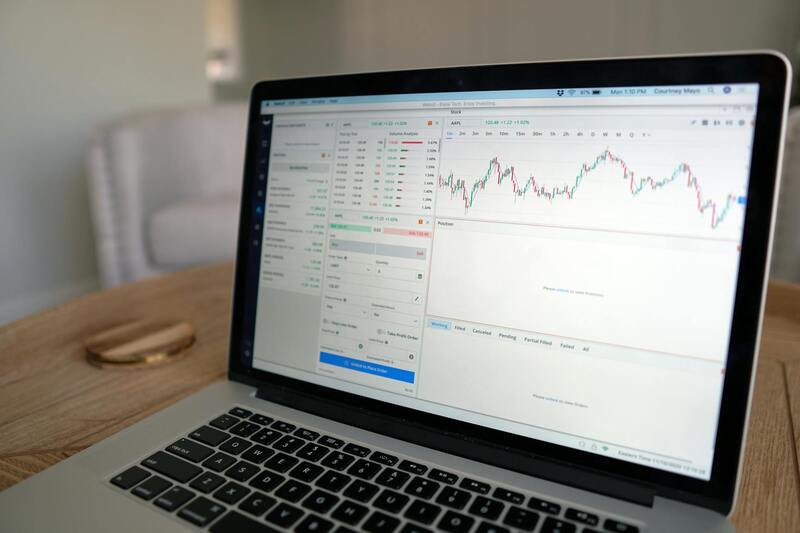
Official and Reliable Methods for Joining Top Futures Trading Prop Firms
Entering the realm of high-caliber futures prop trading requires adherence to well-established procedures that safeguard the interests of both the trader and the firm. The process is designed to evaluate the trader’s skill, discipline, and consistency through structured and transparent evaluation phases. These methods emphasize professionalism, thorough assessment, and adherence to defined trading standards, giving traders a clear path to professional trading environments.
Structured Application and Verification Processes
Firms typically begin with an application that requires detailed personal and trading background information, including trading history, experience levels, and risk management practices. This initial step ensures that applicants possess a fundamental understanding of futures trading principles and responsible trading habits.
Following application review, candidates are often invited to participate in an evaluation phase—sometimes called a challenge or assessment period—that tests their ability to manage risk, execute trades within predefined parameters, and demonstrate consistency over a set period. This phase often involves trading a demo account or a specialized evaluation account provided by the firm, with strict rules governing maximum drawdowns, profit targets, and allowable trading strategies.
Adherence to Official Trading Protocols
Successful completion of the evaluation phase typically leads to official funding agreements. Traders receive access to live trading capital, often contingent upon maintaining risk parameters and adhering to trading guidelines stipulated in formal contracts. These guidelines are designed not only to protect the firm's capital but also to foster disciplined trading habits that promote long-term profitability.
Engaging with these firms involves ongoing compliance with set trading rules, regular performance reporting, and sometimes participating in educational or mentorship programs designed to enhance trading skills and risk awareness.
Mandatory Documentation and Compliance Measures
Engaging with reputable prop firms also requires submission of various official documents, including identification proofs, trading history, and, in some cases, financial statements. These documents facilitate compliance checks and ensure that both parties operate transparently within a structured legal framework. Continuous compliance with the firm's operational protocols and risk management policies safeguards both the trader’s and firm’s interests in a professional environment.
Legal and Contractual Agreements
Prior to trading with funded accounts, individuals enter into official agreements outlining profit sharing formulas, risk management obligations, payout schedules, and account management responsibilities. These contracts form the backbone of a trustworthy trading partnership, emphasizing accountability and shared goals.

Using official channels and proven procedures ensures a professional and transparent pathway into futures prop trading. Aspiring traders can establish a solid foundation for success by engaging with firms through validated and systematic methods, emphasizing skill assessment, risk management, and contractual clarity.
