
Overview of Prop Firms for Futures Trading
Proprietary trading firms, commonly known as prop firms, play a vital role in the futures markets by providing traders with access to significant capital and trading infrastructure. These firms serve as trained and resourced entities that enable individual traders to leverage the firm’s funds for executing futures contracts across various markets, including commodities, indices, currencies, and more. Unlike retail trading, where traders operate with their own capital, prop firms supply the necessary financial backing, often in exchange for a share of the profits generated.
For traders aiming to maximize their trading capacity without risking personal funds, prop firms offer an attractive route. They not only provide access to larger trading accounts but also often supply advanced trading technology, risk management tools, and professional guidance. This access allows traders to execute more substantial trades, take advantage of low spreads, and potentially increase profitability, all while maintaining manageable risk levels.
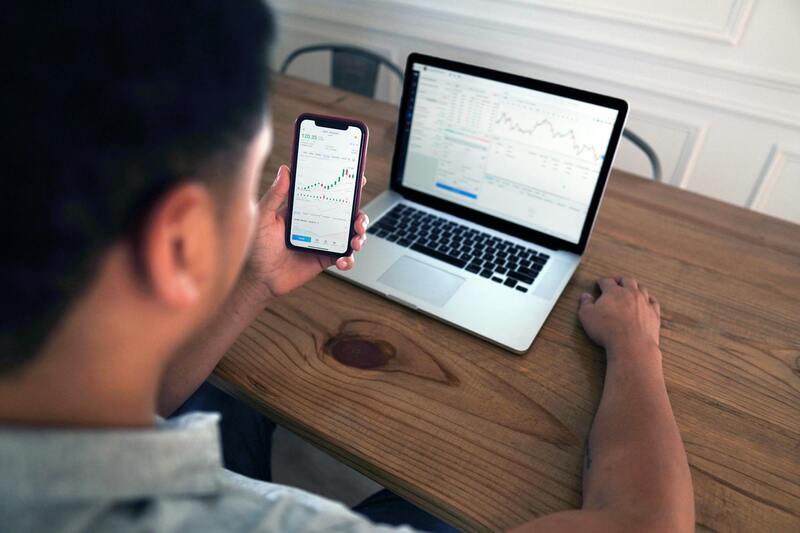
Traders typically opt for prop firms because they offer structured challenge programs to demonstrate trading skill, with successful completion often paving the way for official funding. This approach provides an opportunity for talented traders to grow within a professional environment, without the immediate need for substantial personal capital. Moreover, prop firms often facilitate a range of account sizes and trading conditions tailored to different trading strategies and risk appetites.
Understanding the nature of futures prop firms and how they operate can be crucial for traders seeking to thrive in this competitive environment. By providing the necessary capital, technology, and trading frameworks, these firms serve as pivotal facilitators that help skilled traders transition from small-scale trading to managing substantial accounts in global futures markets.
Overview of Prop Firms for Futures Trading
Prop trading firms specializing in futures have become essential components in the landscape of professional trading. These organizations provide traders with the necessary capital and technological tools to execute high-volume trades in various futures markets, including commodities, indices, and currencies. Unlike retail traders who often work with personal funds, futures prop firms allocate substantial trading capital to their traders, allowing for more aggressive and strategic trading approaches.

Many of these firms operate through structured challenge programs designed to assess a trader’s skill, discipline, and consistency. Successful completion of these programs typically results in the allocation of funded accounts, supporting traders in scaling their strategies without initial capital constraints. This model not only facilitates immediate access to significant trading capital but also encourages the development of trading discipline under professional standards.
Importantly, futures prop firms often offer a suite of resources that include advanced trading software, robust risk management tools, and comprehensive training modules. Such resources enable traders to optimize their strategies and adapt quickly to volatile market conditions. The integration of technology with capital support creates an environment where trading efficiency and profitability can significantly improve, particularly for those who excel in futures markets.
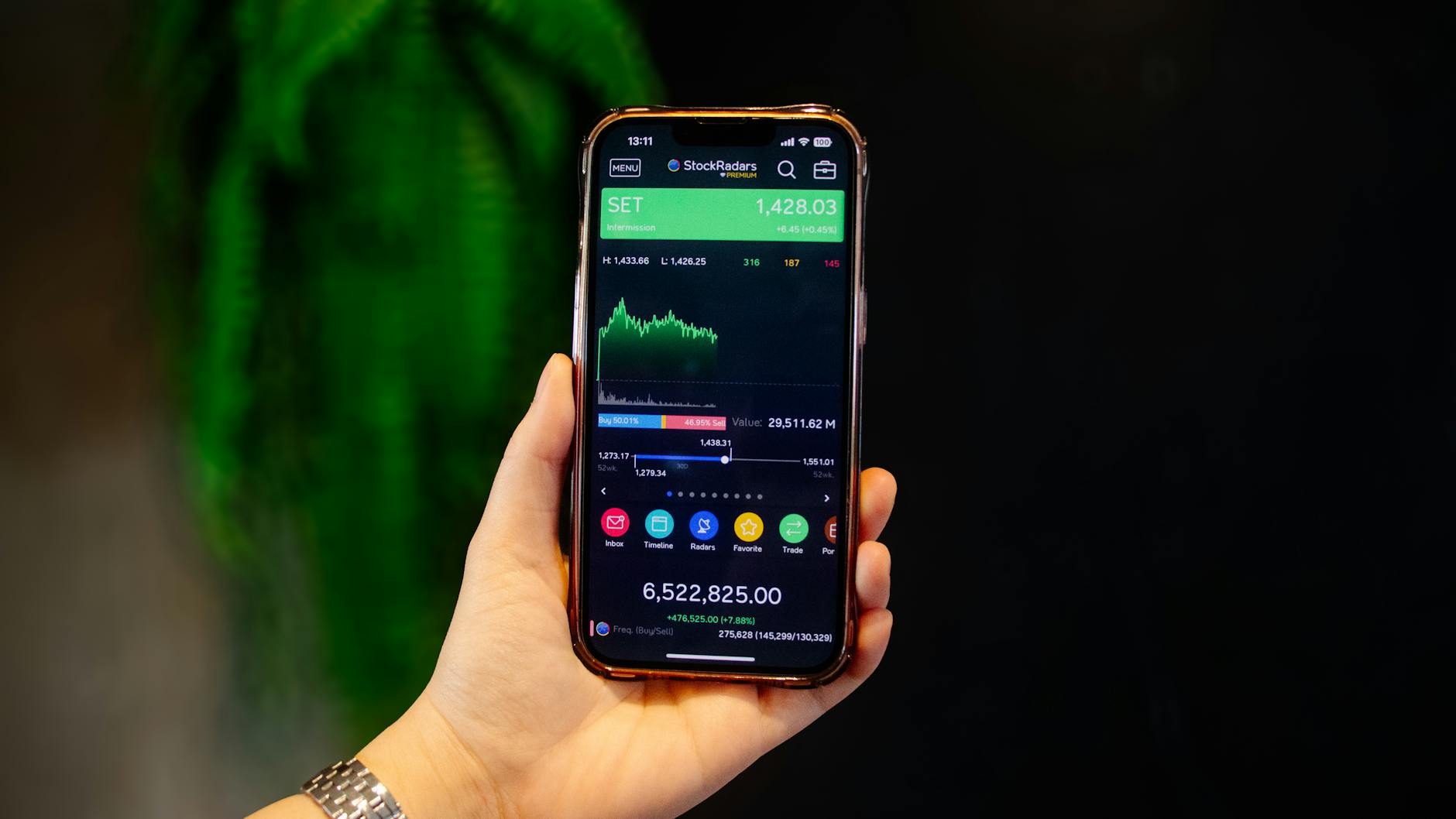
In addition to technological advantages, futures prop firms often provide tailored account types that suit different trading styles and risk profiles. Whether a trader prefers day trading, swing trading, or longer-term positions, these firms offer customizable account conditions to facilitate diverse trading strategies. Furthermore, traders benefit from leverage options that amplify trading capacity, though these are typically governed by strict risk management rules to ensure sustainability.
The operational models of futures prop firms also include well-structured funding procedures, where traders might be required to pass specific trading challenges demonstrating skill proficiency before receiving full account funding. This stepwise process helps maintain high standards of trading quality and consistency across the industry, benefitting skilled traders and fostering a disciplined trading environment.

Overall, futures prop firms serve as vital platforms for traders aiming to expand their trading operations without the necessity of high personal capital. By combining access to significant capital, professional infrastructure, and strategic support, these firms create a conducive environment for traders to grow their capabilities and pursue consistent profitability in the dynamic futures markets.
Account Types and Trading Conditions
Futures prop firms typically offer a range of account types tailored to accommodate different trading styles, experience levels, and risk preferences. These accounts are designed to provide traders with the necessary infrastructure and capital to execute trades efficiently while maintaining favorable conditions that promote growth and profitability. Common account variants include standard, professional, and institutional accounts, each with specific trading limits, leverage options, and access to advanced platform features.
Regarding trading limits, firms often set maximum position sizes and daily loss thresholds to help traders manage risk effectively. Leverage ratios can vary significantly between firms, with some offering ratios as high as 20:1 or more, enabling traders to amplify their market exposure with less initial capital. However, strict risk management rules are enforced to ensure sustainable trading practices, including mandatory stop-loss orders and daily drawdown limits.

Platform support is equally important in comparing futures prop firms. The majority provide access to industry-standard trading platforms such as MetaTrader 5, NinjaTrader, and proprietary software tailored for futures trading. Advanced charting tools, real-time data feeds, and automation capabilities are often integrated into these platforms, offering traders a comprehensive environment to analyze markets and execute trades efficiently.
Moreover, some firms offer demo accounts for practice trading, enabling clients to familiarize themselves with the platform and test strategies without risking real capital. Overall, the variety of account options and trading conditions provided by top futures prop firms ensures that traders can select environments that align with their trading methodologies and risk appetite.
Account Types and Trading Conditions
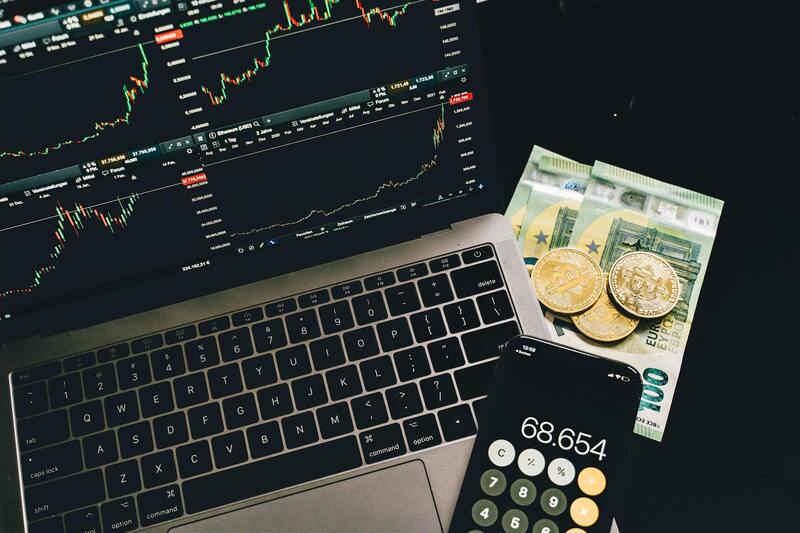
When evaluating futures prop firms, understanding the variety of account types and their associated trading conditions is paramount. Most reputable firms offer different account structures designed to accommodate traders with varying experience levels and trading styles. These typically include standard accounts, scaled accounts, and sometimes, specialized accounts tailored for high-frequency trading or day trading. Each account type comes with specific parameters regarding leverage, maximum drawdown limits, and trading volume allowances.
Leverage plays a significant role in futures trading, often ranging from 10:1 to 20:1 or higher. High leverage can magnify gains but also increases exposure to risks, emphasizing the importance of strict risk management rules. Most prop firms enforce position limits to prevent over-leverage, safeguarding both the trader and the firm's capital. Daily and per-trade loss limits are standard, ensuring traders do not exceed predefined risk thresholds during a trading session.
Trading platforms supported by these firms are designed for flexibility and precision. Many provide access to industry-standard software such as MetaTrader 5, NinjaTrader, or proprietary platforms developed specifically for futures trading. These platforms feature advanced tools including real-time charting, multi-timeframe analysis, automated trading capabilities, and robust order management systems, facilitating complex trade execution and risk management.
Moreover, traders can often choose between different account configurations based on their trading goals. Some firms offer scalable accounts that increase trading limits as traders demonstrate consistent profitability, creating an environment that rewards skill development over time. Additionally, account customization options enable traders to tweak parameters like order types, margin requirements, and trading hours to better fit their unique trading strategies.
Challenge Requirements and Funding Processes
To access capital from prop firms for futures trading, traders are typically required to pass a structured evaluation process. This process often involves completing a challenge or verification stage with specific profit targets, time constraints, and risk management rules. For example, a common requirement might be to achieve a predetermined profit within a set number of days while adhering to strict daily loss limits and not exceeding maximum position sizes.
During the evaluation, firms closely monitor trader performance to ensure the trading style aligns with their risk parameters. Successful completion of the challenge often results in the trader receiving a funded account, where they trade with the firm's capital and share profits according to predefined arrangements. Many firms adjust the difficulty levels of these challenges based on the trader's experience, providing different tiers of validation to match skill levels and trading styles.
Successful navigation of these processes is crucial, emphasizing the importance of disciplined trading, effective risk management, and strategic planning. Firms often provide detailed guidelines and mock challenges to help traders prepare and improve their chances of passing, creating a structured pathway from evaluation to capital allocation.
Trading Fees, Discounts, and Costs
Engaging with a futures prop firm involves understanding the comprehensive fee structure and associated costs that could impact profitability. Typically, firms charge a challenge fee, which is paid upfront to participate in their evaluation process. These challenge fees vary depending on the difficulty level of the account, the firm’s reputation, and the specific services offered. In some cases, discount programs or promotional rates may be available, providing cost savings for traders willing to meet certain criteria or commit to longer-term trading opportunities.
Beyond challenge fees, traders should consider ongoing expenses such as monthly membership charges or platform fees, if applicable. Many firms also implement profit-split arrangements, where a portion of trading profits is retained by the trader, with the remainder shared with the firm. Typical splits can range from 60/40 to 80/20, depending on the firm’s policies and the trader’s experience.
It is crucial to review any additional costs, including data feed charges, platform fees, or commissions, which may vary significantly across different prop firms. Some firms offer discounts or incentives—particularly to traders who perform well or commit to certain trading volumes—reducing the overall trading costs and enhancing potential profit margins.

Trading Conditions and Rules
The trading environment and rules established by prop firms have a direct influence on a trader's ability to execute strategies effectively. Firms typically specify maximum position sizes, daily loss limits, and overall risk parameters designed to control exposure. These rules help ensure disciplined trading and preserve the financial stability of both the trader and the firm.
Firms often provide detailed guidelines on trading hours, permissible trading instruments, and specific market practices. Some establish restrictions during high-volatility periods to prevent excessive risk, while others allow round-the-clock trading for futures contracts linked to commodities, indices, or Forex markets. Adherence to these rules is mandatory, and violations can result in account suspension or termination.
Quality firms also incorporate technology-based safeguards, such as real-time monitoring and automated alerts, to help traders stay within risk parameters. They may offer advanced trading platforms with risk management tools, customizable alerts, and data analytics to optimize performance within set conditions. Understanding and complying with these trading conditions is essential for maintaining a funded account and maximizing profit sharing opportunities.

Top Futures Prop Firms in the USA
Within the United States, several firms distinguish themselves by their rigorous standards, supportive infrastructure, and favorable trading terms. Notable names include firms that offer comprehensive evaluation programs, reliable funding, and transparent account management. These firms often maintain a competitive edge by providing robust trading technology, educational support, and flexible account structures aimed at futures traders across different experience levels.
When selecting among top firms, traders should evaluate factors such as challenge complexity, profit-sharing arrangements, fee structures, and the range of futures markets available. The best firms are those that balance stringent evaluation criteria with accessible pathways to funding, fostering a professional environment conducive to sustained success.
It is advisable for traders to conduct due diligence by reviewing user feedback and performance records of these firms, ensuring they align with individual trading goals and risk appetite. Choosing a reputable prop firm for futures trading enhances the ability to operate effectively in volatile markets, optimize capital use, and build a sustainable trading career.
Account Types and Trading Conditions
When evaluating futures prop firms, understanding the variety of account structures and the associated trading conditions is crucial. Different firms offer distinct account types designed to cater to a broad spectrum of traders, from novices to seasoned professionals. Standard trading accounts typically involve initial capital deposits, but many reputable firms provide funded accounts that eliminate the need for large personal capital investments. Instead, traders often undergo evaluation challenges to demonstrate their skill level before accessing the firm's trading capital.
Trading conditions include specific parameters such as maximum position sizes, permissible leverage ratios, and minimum trading volumes. These elements define the extent of a trader's flexibility and risk management strategies within the firm's framework. For futures trading, firms usually establish strict maximum drawdown limits to protect both the trader and the firm's capital, ensuring disciplined trading behaviors. These limits are enforced through real-time monitoring systems, which alert traders when thresholds are approached and sometimes automatically restrict further trading until corrective measures are taken.

Many top firms offer tiered account types with varying leverage options and fee structures. Higher leverage can amplify profits but also increases risk exposure, making the choice of leverage levels a pivotal decision. Additionally, some firms implement tier-based fee arrangements, such as commission discounts based on trading volume or performance. Such structures incentivize consistent trading and improved performance over time.
Challenge Requirements and Funding Processes
Most futures prop firms implement evaluation programs or trading challenges that serve as a gateway to funded accounts. These challenges typically involve a simulated trading period where traders must meet specific targets, such as profit milestones, while adhering to risk management rules, including drawdown limits. Successful completion often leads to account funding, granting traders access to real capital and profit-sharing arrangements.
The funding process is transparent in reputable firms, with clear criteria and timelines. Upon passing the challenge, traders receive detailed account setups, including margin requirements, trading hours, and risk controls. Ongoing compliance is essential, as brokers and firms monitor trading activity closely to ensure adherence to their policies. Continuous evaluation helps mitigate losses and maintain a high standard of trading discipline among funded traders.

Funded traders should also familiarize themselves with firm-specific policies on profit splits, payout schedules, and account termination clauses. Clear understanding and strategic planning around these parameters can significantly impact long-term profitability and operational stability within a futures prop trading environment.
Trading Fees, Discounts, and Costs
Futures trading involves various costs that traders need to consider when selecting a prop firm. These costs include commissions per trade, exchange fees, and platform costs, which can vary significantly between firms. Premium accounts or higher trading tiers often offer reduced commission rates and enhanced trading tools—beneficial for high-frequency or professional traders aiming to maximize profitability.
Many prop firms implement discount programs for traders who meet specific trading volume benchmarks or consistently generate profits. Volume-based discounts can considerably lower overall trading expenses, thereby increasing net gains. Additionally, some firms may waive certain fees for traders who contribute to liquidity or demonstrate exceptional performance, creating advantageous conditions for long-term traders.

Accounting for all costs and discounts, traders should perform careful cost-benefit analyses to identify the most economically efficient options. Negotiating fee arrangements or opting for firms with competitive fee structures can directly influence overall trading success, particularly for traders operating at high volumes or through complex strategies. Selecting a prop firm that balances comprehensive services, favorable fee terms, and supportive trading conditions can significantly elevate a trader’s capacity to thrive in the highly dynamic futures markets.
Overview of Prop Firms for Futures Trading
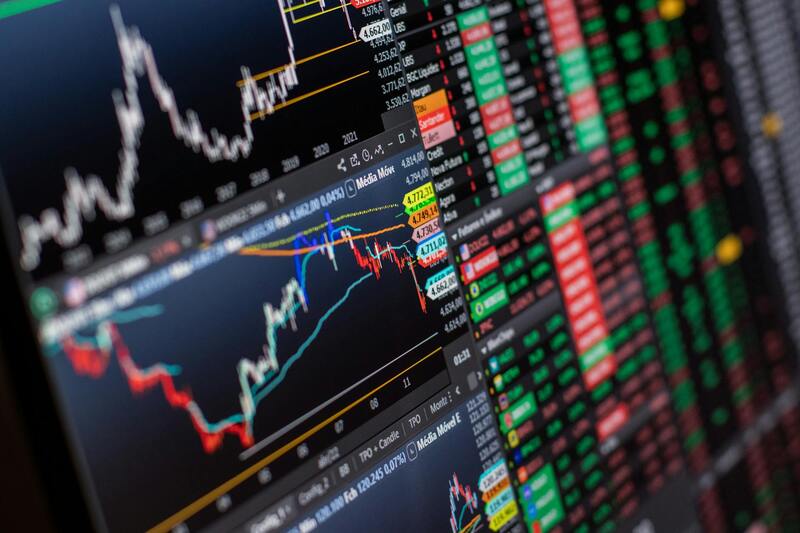
Prop trading firms dedicated to futures markets serve as critical platforms for traders seeking to leverage capital, access sophisticated trading tools, and implement diverse strategies. These firms provide the opportunity to trade a wide array of futures contracts, including commodities, indices, currencies, and interest rates, under professional environments that often offer more favorable trade conditions compared to retail brokers. Recognizing the structure, offerings, and operational frameworks of these firms is essential for traders aiming to optimize their trading endeavors in the futures domain.
Key Factors in Selecting a Futures Prop Firm
Choosing an ideal prop firm for futures trading involves a careful assessment of multiple criteria that directly impact trading performance and profitability. Below are core considerations:
- Reputation and Track Record: Evaluate the firm’s history, trader testimonials, and industry recognition to gauge reliability and trustworthiness.
- Account Structures and Capital: Review funding options, account sizes, and leverage offerings, which determine the scope of trading strategies possible within the firm.
- Trading Platforms and Tools: Ensure the firm provides access to robust trading software, real-time data feeds, risk management features, and customization options tailored for futures.
- Support and Educational Resources: Consider the availability of dedicated support teams, training programs, webinars, and educational materials that foster trader development.
- Compliance and Risk Management: Understand the firm’s policies on risk control, margin requirements, and trade monitoring to align with your trading style and risk appetite.
Account Types and Trading Conditions
Futures prop firms generally offer various account configurations designed to meet different trader needs. Standard accounts typically include a trading capital allocation, while more advanced setups may feature tiered funding or scaling plans. Each account type comes with specific trading conditions:
- Leverage and Margin: Firms provide leverage ratios that can amplify gains but must be managed carefully to mitigate risks.
- Trading Hours: Access to extended or 24-hour trading schedules allow for flexibility and strategic planning in global futures markets.
- Position Limits and Risk Controls: Firms enforce position size caps and daily loss limits to safeguard both traders' capital and the firm’s resources.
Challenge Requirements and Funding Processes
Many futures prop firms utilize trading challenges as a method to validate trader skill and discipline before providing full capital. These challenges often involve meeting specific profit targets within defined parameters and adherence to risk management rules. Successful completion leads to funded accounts, enabling traders to operate with the firm’s capital under predetermined profit-sharing agreements. The funding process typically includes:
- Registration and review of trading plans or strategies.
- Participation in simulated or real-time trading challenges.
- Achievement of set trading benchmarks without breaching risk controls.
- Verification and onboarding into the funded account stage.
Such processes help maintain a high standard of trader competence, ensuring that only disciplined and proficient traders gain access to substantial capital pools.
Trading Fees, Discounts, and Costs
Operational costs associated with futures trading through prop firms include commissions, exchange fees, and platform charges. However, firms often employ discount strategies to incentivize high-volume or consistent profitability. This can include:
- Reduced commission rates for traders with significant trading volume or proven performance.
- Fee waivers for certain exchanges or based on trading frequency.
- Subscription discounts for premium research tools or data feeds.
It is advisable to compare fee structures across multiple firms, accounting for hidden costs or additional charges that could impact overall profitability. Strategic cost management, particularly in high-frequency futures trading, can provide a competitive edge and improve bottom-line results.
Trading Conditions and Rules
Futures prop firms implement comprehensive trading rules to ensure stability, risk mitigation, and fair trading environments. These generally include:
- Position Limits: caps on the size of individual or aggregate positions to prevent excessive exposure.
- Risk Management Protocols: mandatory stop-loss placements, daily loss limits, and margin thresholds.
- Trading Hours Restrictions: firms may restrict trading to specific hours to match liquidity and reduce overnight risk.
- Profit and Drawdown Caps: predefined maximum profit and loss thresholds to protect traders and the firm from undue risk.
Adherence to these rules is crucial for sustained trading success. Many firms monitor trading activity closely, offering feedback and coaching to help traders develop disciplined trading habits aligned with firm policies.
Final Considerations for Selecting the Best Prop Firm for Futures Trading
When evaluating the optimal prop firm for futures trading, traders must prioritize transparency, stability, and support structures that facilitate sustainable trading growth. Understanding the full scope of offerings—including account structures, trading conditions, and fees—is essential for aligning with long-term profitability objectives.

Assessing Transparency and Support
- Clear Communication of Terms: A reputable firm provides detailed documentation outlining account rules, fee schedules, and trading policies. Clear guidelines reduce misunderstandings and foster trust.
- Educational Resources: Access to tutorials, webinars, and coaching sessions can be pivotal, especially for traders new to futures markets or innovative trading strategies.
- Dedicated Support Channels: Responsive support teams ensure timely assistance, helping traders resolve issues quickly and maintain consistent trading activity.
Stability and Consistency in Operations
Opting for a firm with a proven track record of stability ensures that traders can operate with confidence. Evaluate the firm's operational history, reputation within trading communities, and longevity in the industry. An established firm typically demonstrates resilience amidst market fluctuations and maintains consistent funding and payout procedures.
Customization and Flexibility of Trading Conditions
Each trader’s style can differ markedly—some prefer high-leverage environments, while others favor conservative risk management. The best prop firms offer customizable account options such as flexible leverage ratios, varied position sizes, and adaptable trading hours. These features enable traders to tailor their strategies and optimize performance.
Technology and Platform Integration
High-quality trading platforms with advanced charting tools, automated trading capabilities, and real-time market data are critical components of effective futures trading. Firms that invest in robust, reliable software support traders' ability to execute strategies efficiently and react swiftly to market movements.
Risk Management and Compliance Protocols
Effective risk management is paramount in futures trading. Top prop firms implement comprehensive protocols including mandatory stop-loss orders, daily loss limits, and strict margin controls. These measures protect both traders and the firm from oversize losses, maintaining a secure trading environment.
Cost-Benefit Balance in Fees and Incentives
While lower trading costs can enhance profitability, they should not come at the expense of essential support or trading conditions. Evaluate the overall cost structure, including commissions, data fees, and platform charges, against the benefits offered. Firms that provide incentives such as reduced commissions for high-volume traders or performance-based discounts can boost potential returns.
Careful analysis of these factors ensures traders can select a futures prop firm that aligns with their trading goals, risk tolerance, and operational preferences. With due diligence, traders position themselves for sustained success, leveraging firm resources and support to navigate the dynamic futures markets effectively.
